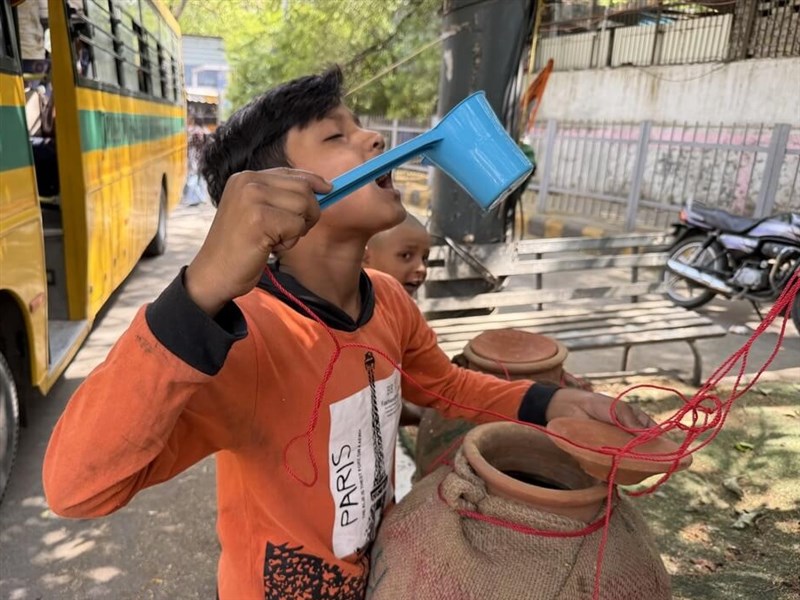
As the global climate continues to shift, India is grappling with the profound human and infrastructure toll of extreme heat. Across the subcontinent, millions are currently navigating a period of dangerous temperatures that have strained public health systems and daily life. While the nation is accustomed to seasonal heat, the intensity of recent spikes has prompted urgent government advisories and a renewed focus on climate adaptation strategies to protect vulnerable populations.
The current situation serves as a stark reminder of the challenges posed by heatwaves, which are increasingly characterized by both record-breaking daytime highs and “warm nights”—periods where temperatures remain high after sunset, preventing the natural cooling required for human health recovery. These conditions, as noted by the National Portal of India, have necessitated a coordinated response across government departments to ensure public safety and the continuity of essential services.
Navigating the Heat: Public Health and Safety Advisories
For citizens, the reality of high-temperature alerts translates into significant lifestyle adjustments. Authorities have consistently advised residents, particularly the elderly, children, and those with pre-existing health conditions, to limit outdoor activities during peak sun hours. This guidance is part of a broader framework aimed at mitigating the risks of heatstroke and dehydration, which are primary concerns during prolonged heat events.
In urban centers, the heat has underscored the necessity for robust public health infrastructure. The government’s eSanjeevani – National Telemedicine Service has become a vital resource, allowing citizens to access medical consultations remotely, thereby reducing the need for non-essential travel in extreme conditions. Such digital interventions are becoming critical components of the national strategy to manage health crises in a country with a population of approximately 1.48 billion, according to 2026 estimates.
Infrastructure and Economic Resilience
The impact of extreme heat extends beyond individual health, placing immense pressure on the national power grid and water resources. As cooling demand surges, the stability of electrical infrastructure remains a top priority for policymakers. The government continues to leverage digital platforms to streamline public services, including pension tracking and employment resources, ensuring that essential administrative functions remain operational despite environmental disruptions.

Agriculture, a cornerstone of the Indian economy, also faces significant challenges. The monsoon cycles and temperature fluctuations are monitored closely, as they directly influence crop yields and food security. With the diverse geography of India—ranging from the high Himalayas to the vast Indo-Gangetic Plain—the manifestation of heatwaves varies significantly by region, requiring localized rather than one-size-fits-all mitigation strategies, as detailed in reports regarding the geography and climate of India.
Understanding the Broader Context
India’s diverse landscape and population mean that the effects of heat are felt unequally. Urban heat islands, where dense concrete infrastructure retains heat, often experience higher temperatures than surrounding rural areas. To combat this, urban planning initiatives are increasingly incorporating green spaces and improved ventilation strategies. These efforts are essential for a nation that is both the world’s most populous and one of the fastest-growing major economies.

The government’s commitment to providing a “single-window” access to information through its national portal ensures that citizens have access to timely updates on weather warnings and health advisories. This transparency is vital in fostering community resilience, as local communities work alongside state and central agencies to implement safety protocols.
Looking Ahead: Climate Adaptation
As we look toward the remainder of the season, the focus remains on long-term climate adaptation. This includes improving the energy efficiency of buildings, expanding the reach of telemedicine, and strengthening the early-warning systems that alert citizens to impending heatwaves. The resilience of the Indian populace—demonstrated through traditional methods of staying hydrated and collective community support—remains a powerful asset in facing these environmental realities.
For those seeking the latest official guidance, the National Portal of India serves as the most reliable hub for government-issued safety protocols and updates. We encourage our readers to stay informed through these official channels and to share this information with those who may be at risk.
How is your community adapting to the changing climate? Share your thoughts and experiences in the comments section below. We will continue to monitor official reports and provide updates as the situation evolves.