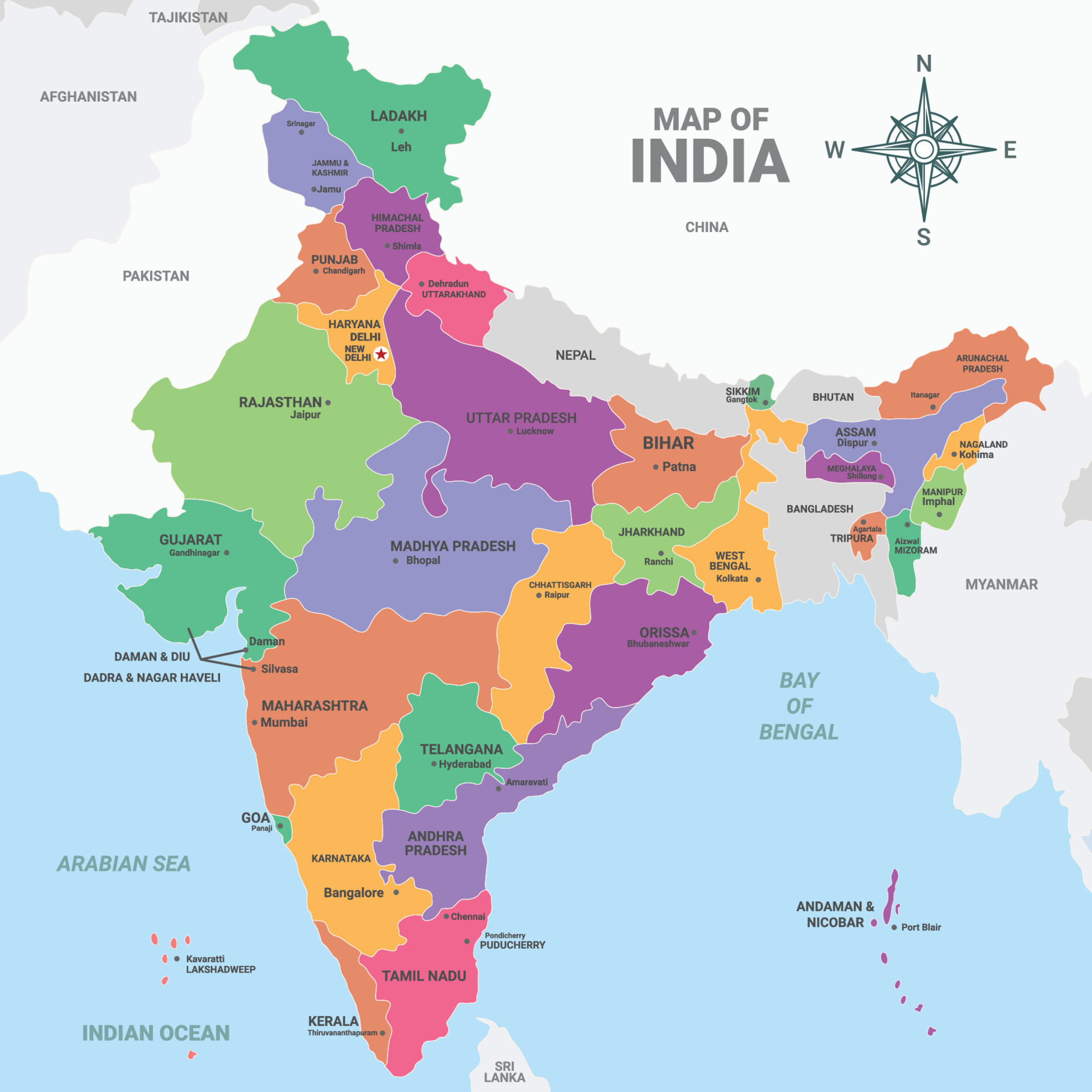
India is currently positioning itself as a central hub for global biomedical innovation, leveraging a burgeoning domestic research sector to address health challenges in low- and middle-income countries (LMICs). By scaling up localized research and development, the nation is shifting from a traditional role as a pharmaceutical manufacturer toward becoming a leader in health technology design, according to reports from the NITI Aayog, the Indian government’s public policy think tank. This transition represents a significant change in the global health landscape, as India seeks to provide scalable, affordable solutions specifically tailored for the Global South.
As a physician, I have observed how the focus on medical innovation in LMICs has historically been dictated by the priorities of high-income nations. However, the current trajectory suggests that India’s domestic investment in biotechnology—bolstered by a 2024 budgetary allocation for the Department of Biotechnology—is creating a distinct model for medical advancement. This model prioritizes cost-effective, high-impact interventions that are culturally and logistically compatible with developing healthcare systems, moving beyond the standard western-centric approach to medical R&D.
The Shift Toward Domestic Biomedical Sovereignty
The core of India’s current strategy involves creating a self-sustaining ecosystem for medical research. Historically, India’s contribution to global health was largely defined by the production of affordable generic medicines. Today, the focus is expanding into high-end innovation, including indigenous vaccine development and advanced diagnostics. According to the Department of Biotechnology, the government has prioritized the “Make in India” initiative within the health sector to reduce reliance on imported medical technology and pharmaceutical raw materials.
This shift is not merely about production volume but about tailoring innovation to local burdens of disease. For instance, the development of diagnostic tools for tropical infectious diseases—which often receive less attention from global pharmaceutical giants—has become a hallmark of Indian research institutions. By aligning research agendas with the needs of the Global South, India is effectively creating a blueprint for other LMICs to follow, emphasizing that local expertise is the most viable path to addressing localized health inequities.
Infrastructure and Investment Drivers
The growth of the Indian biomedical sector is supported by a robust network of academic and private-sector collaborations. The Council of Scientific and Industrial Research (CSIR) has been instrumental in bridging the gap between basic laboratory research and commercial application. By streamlining the path from clinical trials to market approval, Indian regulators have accelerated the deployment of innovative health technologies.

Financial backing remains a critical variable. Recent data from the Invest India agency highlights that the pharmaceutical and medical device sectors have seen a sustained increase in both foreign direct investment and domestic venture capital. This capital is increasingly directed toward start-ups focusing on digital health, affordable point-of-care diagnostics, and synthetic biology—areas that promise to revolutionize healthcare delivery in regions with limited infrastructure.
Challenges in Scaling Global Solutions
Despite the rapid progress, systemic challenges remain. Scaling innovation from a pilot study to a nationwide, or international, standard requires overcoming significant logistical and regulatory hurdles. According to the World Health Organization (WHO) India country office, while the intent to innovate is clear, the integration of new technologies into existing public health systems often faces bottlenecks related to supply chain management and health worker training.
Furthermore, there is the ongoing challenge of international regulatory harmonization. For Indian innovations to be adopted across the Global South, they must meet diverse international standards. The Central Drugs Standard Control Organisation (CDSCO) has been working to align its regulatory frameworks with international best practices to facilitate the export of Indian-developed medical technologies. However, achieving global recognition for these products remains a work in progress, requiring continuous engagement with international health bodies.
What Happens Next for Biomedical Innovation
The next phase of India’s medical evolution will be tested by its ability to maintain affordability while scaling high-tech solutions. The government is expected to release updated guidelines on clinical trial transparency and data sharing in the coming fiscal year, which will be a critical indicator of the nation’s commitment to scientific rigor and international collaboration. These guidelines are anticipated to provide a clearer path for researchers and private firms to navigate the complexities of global health R&D.
As the international community watches this development, the success of India’s model will likely depend on its capacity to foster genuine public-private partnerships that do not compromise the accessibility of the final health products. For readers interested in following these developments, the Ministry of Health and Family Welfare provides periodic updates on policy changes and national health strategy documents. We will continue to monitor these developments as they unfold; please share your thoughts or questions in the comments section below.
Related reading