“`html
Published: 2026/01/22 07:07:32
India’s Medical Tourism: From Cost to Capability
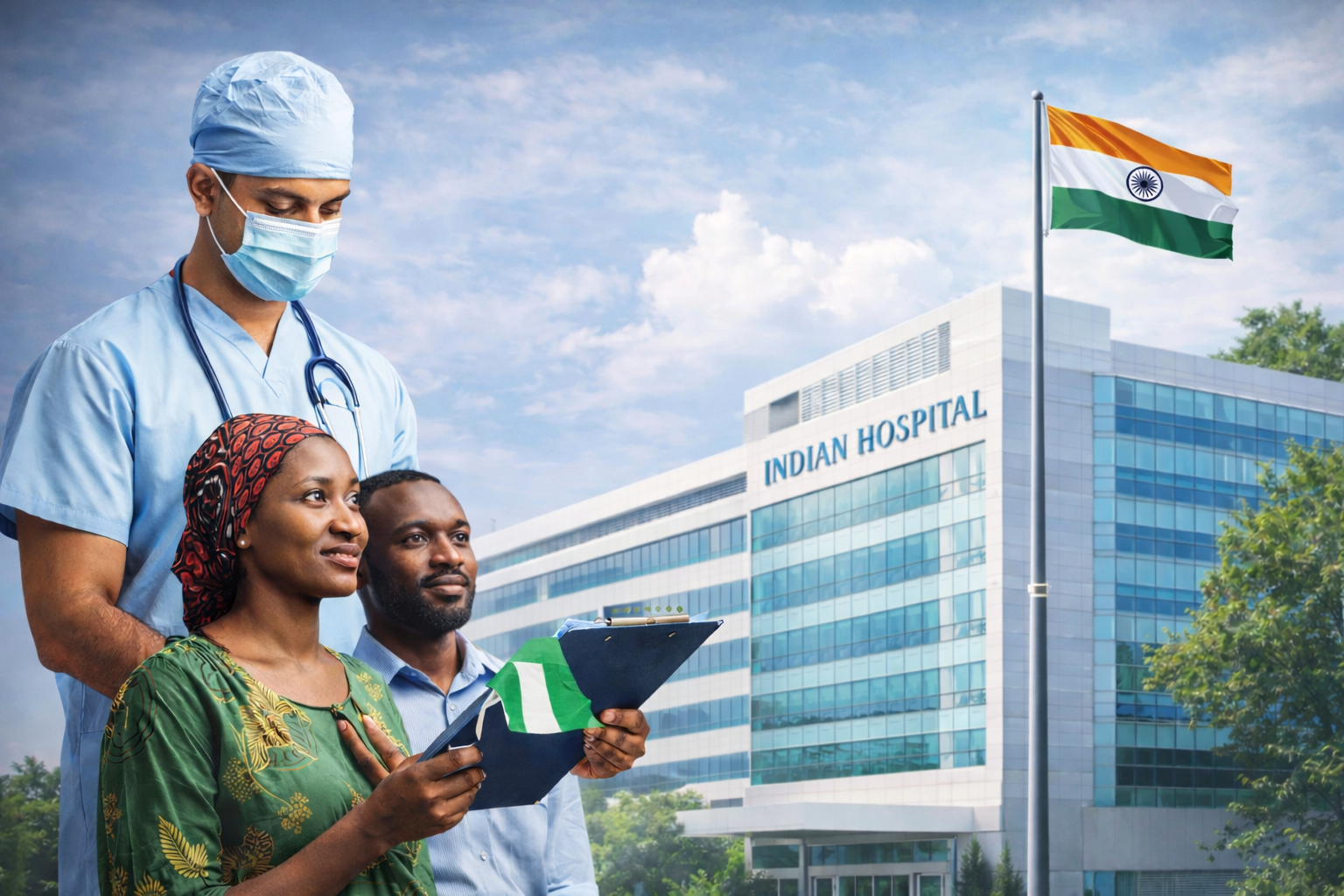
India’s emergence as a leading destination for medical tourism is undergoing a important conversion.while historically recognized for its affordability,India is now increasingly attracting international patients due to its advanced medical capabilities,innovative treatments,and growing reputation for quality healthcare. This shift is driven by a combination of factors,including increasing clinical complexity of cases handled,reduced wait times,and a growing trust in Indian medical professionals.
The rise of Africa as a Key Market
India currently receives approximately 2 million international patients annually, and Africa represents one of the fastest-growing source regions. Estimates suggest that 8-10% of all medical tourists to India now originate from African nations, particularly Nigeria, Kenya, Tanzania, Ethiopia, Uganda, and south Africa. This growth is fueled by the need for specialized treatments not readily available or accessible in their home countries, coupled with increasing confidence in the quality of Indian healthcare.
complex Cases and Innovative Treatments
The shift towards capability-led medical tourism is exemplified by the increasing number of complex cases successfully treated in Indian hospitals. For example, wockhardt hospitals Mumbai Central recently treated a 33-year-old patient from Africa with a large uterine fibroid – measuring 28 x 30 cm and weighing 3.1 kg – while successfully preserving her fertility. This was achieved through a combination of advanced surgical techniques:
- Open Myomectomy: Choosing uterus-preserving surgery over hysterectomy.
- Pfannenstiel Incision: Utilizing a minimally invasive “bikini-line” incision despite the tumor’s size.
- Vacuum-Assisted Extraction: Adapting a technique from obstetrics for efficient and precise tumor removal.
“Fibroids of this magnitude are rare and surgically demanding.Our focus was not only on removing the tumour safely but also on preserving the uterus and ensuring the patient’s long-term reproductive and emotional well-being.” – Dr.Indrani Salunkhe, Consultant Obstetrician & Gynaecologist, Wockhardt Hospitals Mumbai Central.
This case is indicative of a broader trend across Indian hospitals, characterized by:
- Advanced Surgical Planning: Utilizing cutting-edge technology and meticulous pre-operative assessment.
- Cross-Specialty Collaboration: Integrating expertise from multiple medical disciplines for comprehensive patient care.
- Patient-Centric Approach: Prioritizing individual patient needs and outcomes in all treatment decisions.
- Robust Infrastructure: Investing in state-of-the-art facilities and equipment to handle complex procedures.
Factors Driving Growth and Future Outlook
The growth of medical tourism
Keep reading