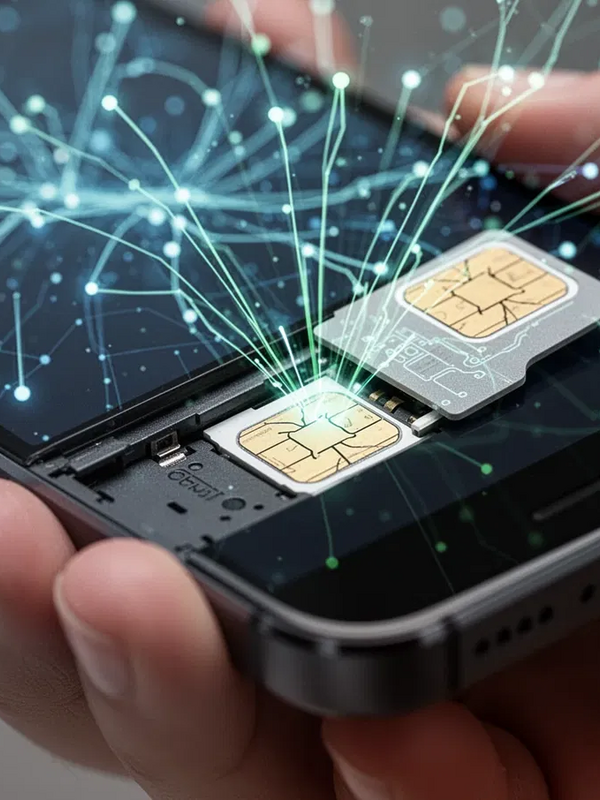
India Mandates SIM Binding for WhatsApp and Other Messaging Apps
In a move poised to significantly alter how millions communicate, the Indian government has begun enforcing a mandate requiring users of messaging applications – including WhatsApp, Telegram and Signal – to link their accounts to a registered SIM card. The policy, implemented on March 1, 2026, is intended to curb the rising tide of cyber fraud and bolster national security, but has sparked concerns among tech companies and privacy advocates regarding user convenience and data security. This new regulation impacts not only Indian citizens but also the way these platforms operate within the country, setting a precedent for digital security measures globally.
The directive, issued by the Department of Telecommunications (DoT) under the Telecom Cyber Security (TCS) Rules, 2024, effectively eliminates the flexibility users previously enjoyed with multi-device logins. Previously, users could access WhatsApp Web or other platform interfaces on computers or tablets even without their primary smartphone being online. Now, these services will require a continuously active SIM card in the associated device. WhatsApp Web sessions will now automatically log users out every six hours, requiring re-authentication via the primary smartphone and its registered SIM. This change affects a wide range of popular messaging services, including ShareChat and JioChat, alongside international platforms.
The government’s decision stems from a dramatic increase in cybercrime, with financial losses exceeding 22,800 Crore Rupien (approximately $2.5 billion USD) in 2024 alone, according to official data. As reported by India Today, authorities identified a loophole where fraudsters were activating accounts using Indian SIM cards, then operating from overseas locations, making it difficult to trace and prosecute perpetrators. The SIM binding rule aims to close this vulnerability by ensuring a direct link between the account and a verifiable, active SIM card within India.
How SIM Binding Works and What it Means for Users
Prior to this mandate, WhatsApp and similar platforms operated on a “verify-once” model. Users provided a phone number, received a one-time password (OTP) for verification, and could then use the service even after removing the SIM card. The new framework, however, necessitates continuous linkage to the physical SIM card inserted in the primary device. This means that if a user removes the SIM card, the messaging app will cease to function until the SIM is reinserted and the connection is re-established. The DoT introduced these rules in November 2025, giving platforms time to prepare for the March 1st enforcement date. Siasat.com notes that this directive is a first of its kind globally.
The implications for users are multifaceted. Those who frequently switch between devices or rely on WhatsApp Web for extended periods will experience disruption. The six-hour logout requirement for web-based access adds a layer of inconvenience, requiring constant re-authentication. Individuals who use multiple devices with the same account may find their access restricted. The rule also impacts users who rely on virtual SIMs or dual-SIM phones, as the primary SIM linked to the account must remain active.
Industry Pushback and Legal Challenges
The government’s directive has faced significant resistance from the technology industry. The Broadband India Forum (BIF), representing companies like Meta and Google, has legally challenged the mandate, arguing it is “unconstitutional” and exceeds the government’s legal authority. NDTV reports that the BIF contends that telecom laws should apply to telecom operators, not Over-the-Top (OTT) services like messaging platforms. The forum argues that simply using a phone number for user identification does not classify a messaging app as a telecommunications company.
Despite the legal challenge and requests for extensions, the government has pressed forward with the implementation of the SIM binding rule. Union Minister Jyotiraditya Scindia emphasized that the measure is a proportionate response to protect citizens and that national security cannot be compromised. However, privacy advocates and technology experts have raised concerns about increased surveillance and potential disadvantages for legitimate users who frequently switch between devices. Some companies have begun testing updates to comply with the new regulations, with beta versions of WhatsApp reportedly including new prompts related to SIM presence.
Global Implications and Future Outlook
India’s decision to implement such stringent regulations for messaging apps establishes the country as a leader in demanding strict operational standards for these platforms. The long-term effects on user behavior and the digital communications landscape remain uncertain. While the government anticipates a significant reduction in cybercrime, the legal challenges from the tech industry could lead to further developments and potential modifications to the rule. The conflict between security, privacy, and user convenience in one of the world’s largest digital markets has been reignited.
The move also raises questions about whether other countries might follow suit, potentially leading to a fragmented global landscape for messaging apps. Different regulatory approaches could create challenges for platforms operating internationally and impact the seamless communication experience users currently enjoy. The debate over data privacy, security, and government access to user information is likely to intensify as more nations grapple with the evolving challenges of the digital age.
Key Takeaways
- Mandatory SIM Binding: As of March 1, 2026, WhatsApp, Telegram, Signal, and other messaging apps in India require users to link their accounts to an active, registered SIM card.
- Reduced Multi-Device Flexibility: The rule significantly restricts the ability to use messaging apps on multiple devices simultaneously without the primary SIM card being active.
- Industry Opposition: The Broadband India Forum (BIF) is legally challenging the mandate, arguing it is unconstitutional and exceeds the government’s authority.
- Cybercrime Reduction: The government asserts the rule is necessary to combat the growing problem of cyber fraud and enhance national security.
- Privacy Concerns: Privacy advocates express concerns about increased surveillance and potential inconvenience for legitimate users.
The Department of Telecommunications is expected to monitor the implementation of the SIM binding rule closely and assess its effectiveness in curbing cybercrime. Further updates and clarifications regarding the regulations are anticipated in the coming months. Readers are encouraged to share their experiences and perspectives on this evolving situation in the comments below.
Related reading