
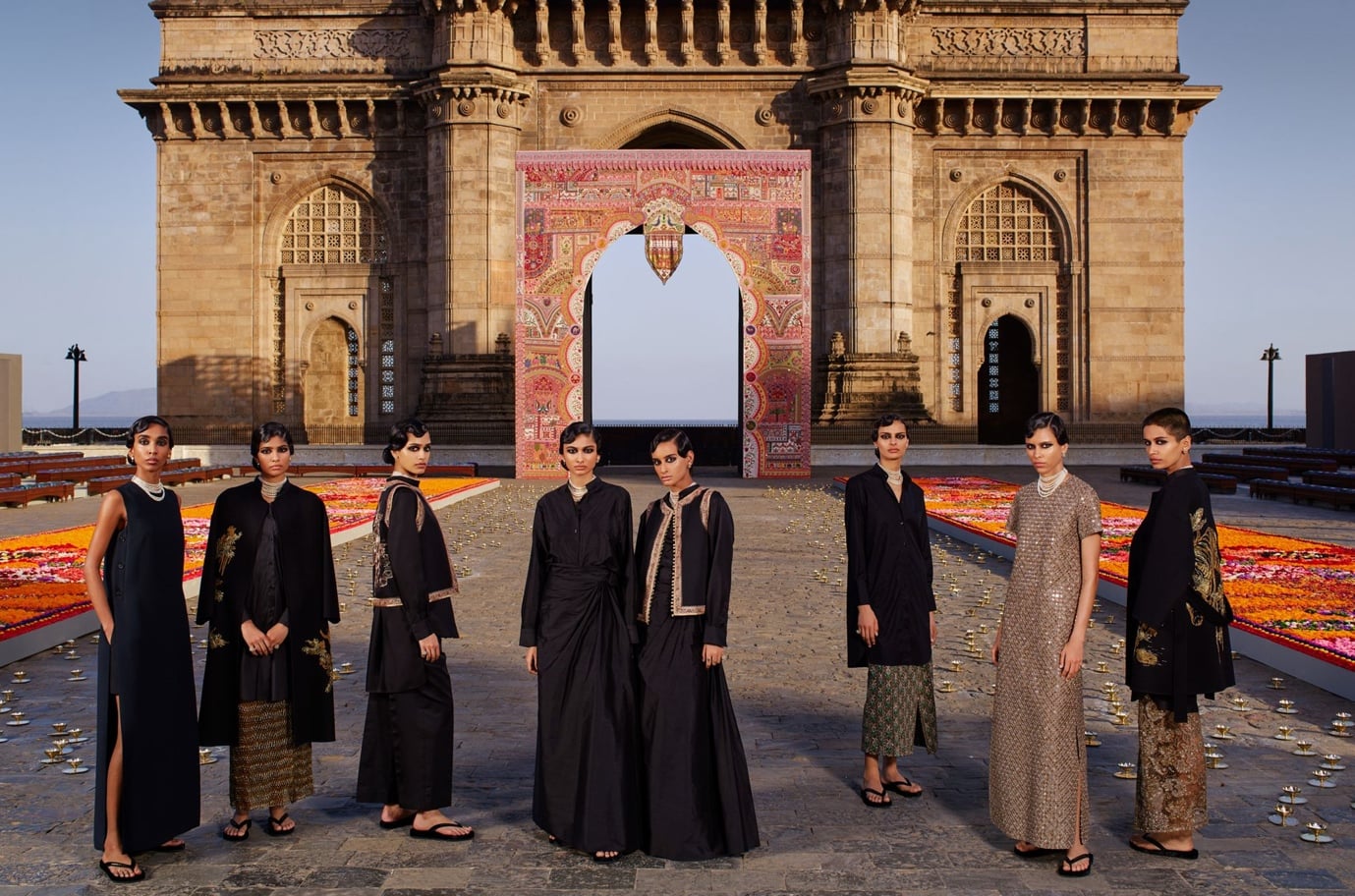
Chandigarh has emerged as one of India’s five most influential fashion cities, according to the inaugural City Style Quotient (CSQ) 2026 report released by A Diamond Is Forever India. The study indicates that fashion influence is shifting from traditional hubs like Mumbai and Delhi toward emerging urban centers characterized by high premium consumption and digital engagement.
The CSQ 2026 index ranks 20 leading fashion cities across India using ten measurable indicators to determine style influence. Despite a population of under 1.2 million, Chandigarh outperformed several significantly larger metropolitan areas to secure its position in the top five, signaling a change in how luxury and style preferences are distributed geographically within the country.
While Mumbai and Delhi remain the largest fashion markets by volume, the report suggests that the “style quotient” is no longer exclusive to these mega-cities. The shift is driven by a combination of cultural identity and the rise of affluent consumers in Tier-2 cities who leverage digital platforms to set trends.
How did Chandigarh rank among India’s top fashion capitals?
Chandigarh’s placement in the top five of the City Style Quotient 2026 is attributed to its high concentration of premium consumption and a strong digital footprint. According to the report by A Diamond Is Forever India, the city’s influence is disproportionate to its size, as it competes with metros that have vastly larger populations.

The proprietary index used for the ranking evaluates ten distinct indicators. While the full dataset for all 20 cities was not detailed, the study highlights that the city’s ability to integrate global trends with local cultural identity has made it a focal point for luxury brands and fashion influencers.
This trend aligns with broader economic shifts in India, where disposable income in smaller urban centers is increasing, leading to a surge in demand for high-end apparel and accessories. The report notes that digital engagement—specifically how residents interact with fashion content and e-commerce—plays a critical role in elevating a city’s style quotient.
What is driving the shift beyond Mumbai and Delhi?
The dominance of Mumbai and Delhi as the primary fashion markets remains intact in terms of total spend, but the influence over “what is stylish” is diversifying. A Diamond Is Forever India identifies premium consumption and digital connectivity as the primary catalysts for this transition.
The report suggests that consumers in emerging cities are less likely to simply follow trends set by the metros and are instead creating their own style niches. This is supported by the rise of “digital-first” fashion consumption, where social media allows trends to propagate instantly across different urban centers regardless of city size.
Furthermore, the study points to a growing emphasis on cultural identity. Residents in cities like Chandigarh are blending traditional influences with modern luxury, creating a distinct aesthetic that attracts the attention of national designers and luxury retailers.
Who is impacted by the changing fashion landscape?
Luxury brands and retail developers are the primary stakeholders affected by these findings. As influence shifts toward cities like Chandigarh, brands are likely to reconsider their expansion strategies, moving away from a purely metro-centric approach to target high-net-worth individuals in emerging hubs.

For the fashion industry, this means a pivot in marketing and distribution. The CSQ 2026 data provides a roadmap for where “premium consumption” is peaking, suggesting that investment in physical boutiques and experiential retail in Tier-2 cities may offer higher growth potential than in saturated markets like Delhi or Mumbai.
Consumers in these emerging cities also see an increase in accessibility to global brands and a greater recognition of their local style preferences on a national stage.
The next phase of this trend will likely be reflected in the 2026 retail planning cycles as companies adjust their inventory and store placements based on the shifting influence mapped by the City Style Quotient.
Readers interested in tracking the evolution of urban luxury trends can follow official updates from industry analysts and retail market reports. Share your thoughts on the rise of emerging fashion hubs in the comments below.