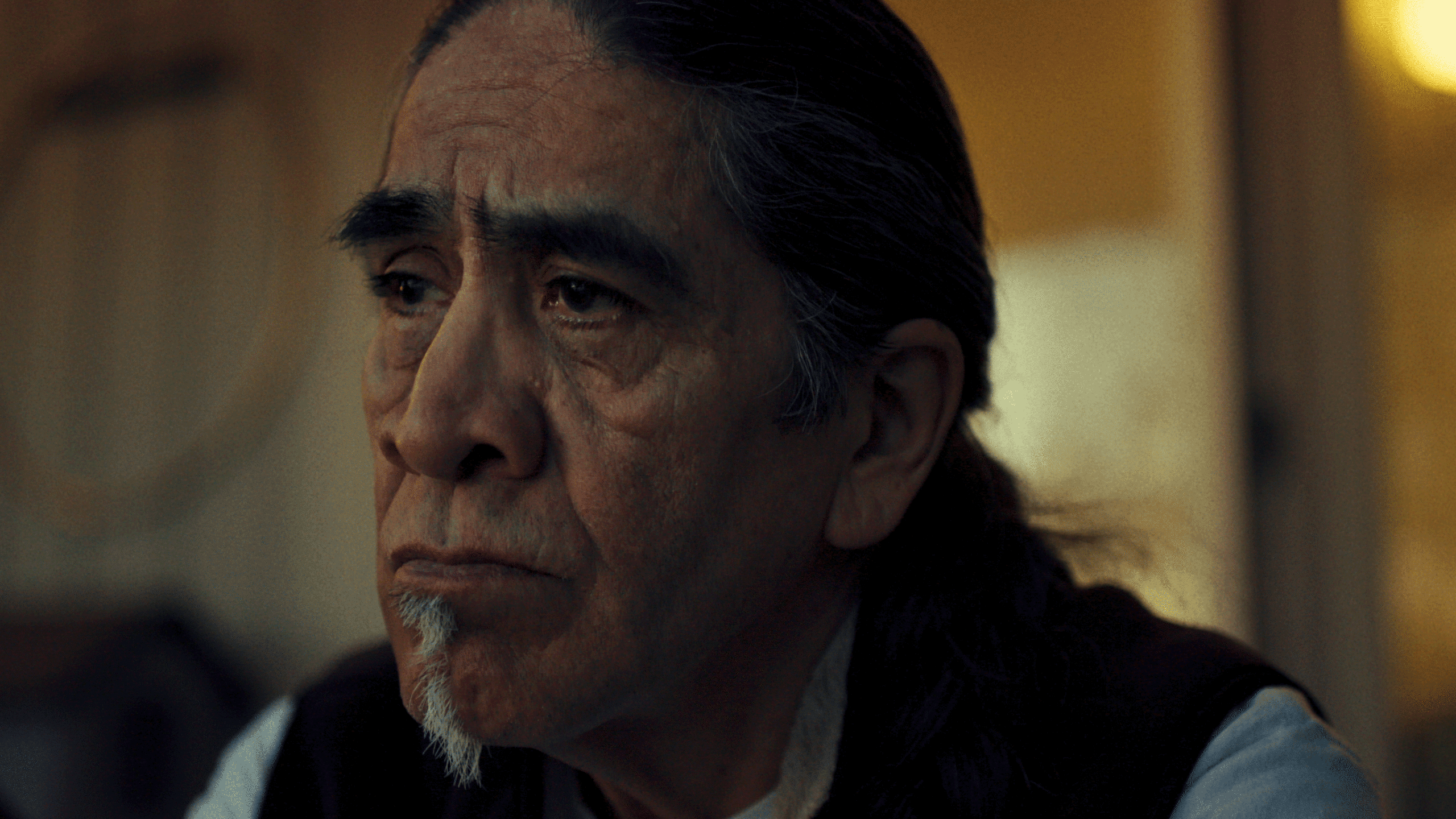
the Lion King in Quechua: How One Man’s Passion Revived a Language & Inspired a Cultural Movement
Have you ever considered the power of a voice,not just to tell a story,but to preserve a culture? The documentary Runa Simi (“People Speak” in Quechua) tells the remarkable story of Fernando,a Peruvian single father who embarked on a mission to dub Disney’s The Lion King into Quechua,an Indigenous language facing extinction. But this isn’t just a heartwarming tale of a father-son bond; it’s a powerful example of how creative passion can fuel cultural revitalization.
This article dives deep into the story behind Runa Simi, exploring the significance of the Quechua language, the challenges fernando faced, and the film’s impact on Indigenous communities in Peru and beyond. We’ll also discuss the broader implications for language preservation efforts worldwide.
The Urgent Need to Preserve Quechua
Quechua is a family of languages spoken by an estimated 8-10 million people across the Andes region of South America, primarily in Peru, Bolivia, Ecuador, and Argentina. Historically, it was the language of the Inca Empire, a civilization renowned for its elegant governance and cultural achievements. Though,centuries of colonization and systemic discrimination have led to a dramatic decline in its usage.
According to a 2023 report by the Peruvian Ministry of Culture, while approximately 16% of the Peruvian population identifies as quechua speakers, that number is steadily decreasing, particularly among younger generations. https://www.gob.pe/institucion/ministrio-de-cultura/noticias/199991-el-quechua-una-lengua-viva-y-en-transformacion This decline isn’t simply a matter of lost words; it represents a loss of cultural identity, traditional knowledge, and a unique worldview.
Fernando understood this acutely. His dedication to dubbing animated films – starting with short clips and culminating in The Lion King – wasn’t just a hobby. It was a deliberate act of resistance against cultural erasure.
From Online Hobby to Cultural Endeavor: The Story of Runa Simi
Directed by Augusto zegarra and produced by Paloma Iturriaga and Claudia Chavez, Runa Simi intimately portrays Fernando’s journey. The documentary showcases Fernando’s initial passion for voice acting and his natural talent for dialects, honed through his work as a radio host in cusco.
The film beautifully captures the playful dynamic between Fernando and his son, Dylan, as they meticulously record lines, perfecting the intonation and nuances of the Quechua language. What begins as a father-son bonding experience quickly evolves into a larger cultural project.
The turning point came when Fernando’s online dubs went viral. This unexpected attention fueled his ambition to tackle The Lion King, a monumental undertaking that required notable resources, collaboration, and unwavering dedication. The documentary doesn’t shy away from the logistical and emotional challenges Fernando faced, offering a raw and honest portrayal of his commitment.
Runa Simi received support from the Sundance Institute’s 2020 Documentary Fund, highlighting its artistic merit and cultural significance. As film critic Andrea Alarcón eloquently stated,the film is “a lovingly patient journey…that will leave you crying the most happy tears.”
The Impact of The Lion King in Quechua
The premiere of The Lion King dubbed in Quechua was more than just a movie screening; it was a cultural event. For many Indigenous children in Peru, it was the first time they had access to a major animated film in their native language. The experience was profoundly moving, fostering a sense of pride and belonging.
The film’s impact extends beyond entertainment.It has sparked a renewed interest in the Quechua language among younger generations, encouraging them to learn and embrace their cultural heritage. It has also provided a platform for Quechua artists and creators, showcasing their talent and contributing to the revitalization of the language.
Recent studies indicate a measurable increase in Quechua language learning apps and online resources following the film’s release. [https://wwwculturalheritageonlinecom/news/quechua-language-revitalization-[https://wwwculturalheritageonlinecom/news/quechua-language-revitalization-[https://wwwculturalheritageonlinecom/news/quechua-language-revitalization-[https://wwwculturalheritageonlinecom/news/quechua-language-revitalization-