
Indonesia is embarking on a massive overhaul of its state-led supply chain infrastructure, announcing a plan to merge 15 state-owned logistics companies into a single, unified national entity. This strategic consolidation, revealed on Tuesday, April 7, 2026, represents a significant shift in how the Southeast Asian giant manages its internal trade and distribution networks.
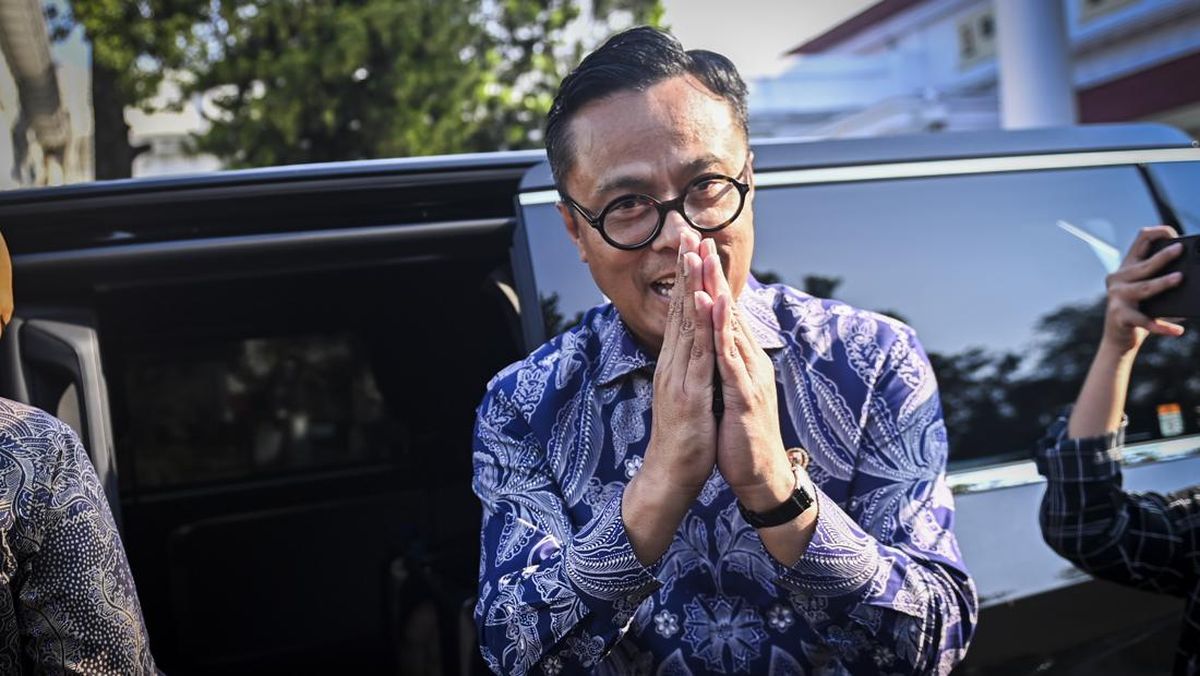
The initiative is being driven by the Badan Pengaturan Badan Usaha Milik Negara (BP BUMN) and the Badan Pengelola Investasi Daya Anagata Nusantara (BPI Danantara). According to Dony Oskaria, the Head of BP BUMN and COO of Danantara, the process is already underway with a target to complete the merger and announce the new national logistics company within one month.
For global investors and market analysts, this move is more than a simple administrative merger. It is a clear signal of President Prabowo Subianto’s intent to rationalize the number of state-owned enterprises (BUMN) to eliminate redundancies and enhance the global competitiveness of Indonesian industry. By consolidating 15 separate logistics entities, the government aims to create a more streamlined, effective and efficient business process that reduces costs for the public and the state.
The Strategic Role of PT Pos Indonesia
At the center of this consolidation is PT Pos Indonesia (Persero), which has been designated as the “anchor company” for the new logistics ecosystem. This positioning suggests that the existing infrastructure and network of the national postal service will provide the foundation upon which the other 14 entities will be integrated.
Under this new structure, PT Pos Indonesia is expected to oversee various BUMN subsidiaries within the logistics ecosystem. Specifically, the consolidation will bring together specialized logistics arms such as PT Semen Indonesia Logistik, PT Pupuk Indonesia Logistik, and PT KAI Logistik. By integrating these sector-specific logistics units—ranging from cement and fertilizer to rail transport—into one national umbrella, Indonesia hopes to resolve the fragmentation that has historically plagued its logistics sector.
The transition has already begun at the leadership level. Dony Oskaria noted that recent changes to the board of directors at PT Pos Indonesia served as the initial step in preparing the company to manage the combined entities in a coordinated manner.
Driving Competitiveness Through BUMN Restructuring
This consolidation is not an isolated event but a critical component of a broader BUMN restructuring mandate. President Prabowo Subianto has repeatedly emphasized the need for the rationalization of state-owned enterprises to ensure they operate as lean, competitive businesses rather than bloated bureaucracies.
The overarching goal is to complete the comprehensive restructuring of all BUMNs by the end of 2026. The logistics merger is a high-priority “quick win” intended to demonstrate the tangible benefits of this transformation to the Indonesian people through improved service delivery and reduced logistical bottlenecks.
From an economic perspective, the consolidation of 15 different entities into one national entity is designed to optimize business capabilities. In a fragmented system, state companies often compete against one another or duplicate efforts, leading to inefficiency. A single national entity allows for centralized procurement, shared technology platforms, and a unified strategy for the “last mile” delivery across the archipelago.
Key Objectives of the Logistics Merger
- Enhanced Competitiveness: Creating a larger, more capable entity that can compete with private global logistics firms.
- Operational Efficiency: Streamlining business processes to eliminate overlapping roles and redundant costs.
- Public Benefit: Ensuring that the efficiencies gained from the merger result in better, more affordable logistics services for the general population.
- Strategic Integration: Linking rail, postal, and industrial logistics (cement and fertilizer) into a single coordinated flow.
What This Means for the Indonesian Economy
Indonesia’s geography—comprising thousands of islands—makes logistics one of the most expensive and complex components of its economy. High logistics costs have historically acted as a drag on GDP growth and increased the price of consumer goods in remote regions.

By consolidating state assets, the government is attempting to create a “national champion” in logistics. If successful, this entity could leverage the combined assets of PT KAI’s rail networks and PT Pos’s extensive reach to lower the cost of moving goods from production centers to consumers. This is a critical step in the government’s broader economic strategy to make Indonesian exports more competitive on the global stage.
Yet, the success of such a massive merger depends heavily on the execution of the integration. Merging 15 different corporate cultures and legacy systems within a one-month timeframe is an ambitious target that will require precise coordination between BPI Danantara and the affected companies.
| Feature | Details |
|---|---|
| Number of Entities | 15 BUMN logistics companies |
| Anchor Company | PT Pos Indonesia (Persero) |
| Key Subsidiaries Involved | PT KAI Logistik, PT Semen Indonesia Logistik, PT Pupuk Indonesia Logistik |
| Target Completion | One month from April 7, 2026 |
| Lead Agency | BPI Danantara / BP BUMN |
The next critical milestone for this project will be the official announcement of the new national logistics company, expected by early May 2026. This announcement is expected to provide more detail on the new entity’s corporate structure, leadership, and the specific operational changes that will be implemented to achieve the government’s efficiency goals.
We invite our readers to share their thoughts on this restructuring in the comments below. Do you believe a state-led consolidation is the most effective way to lower logistics costs in archipelagic nations?