
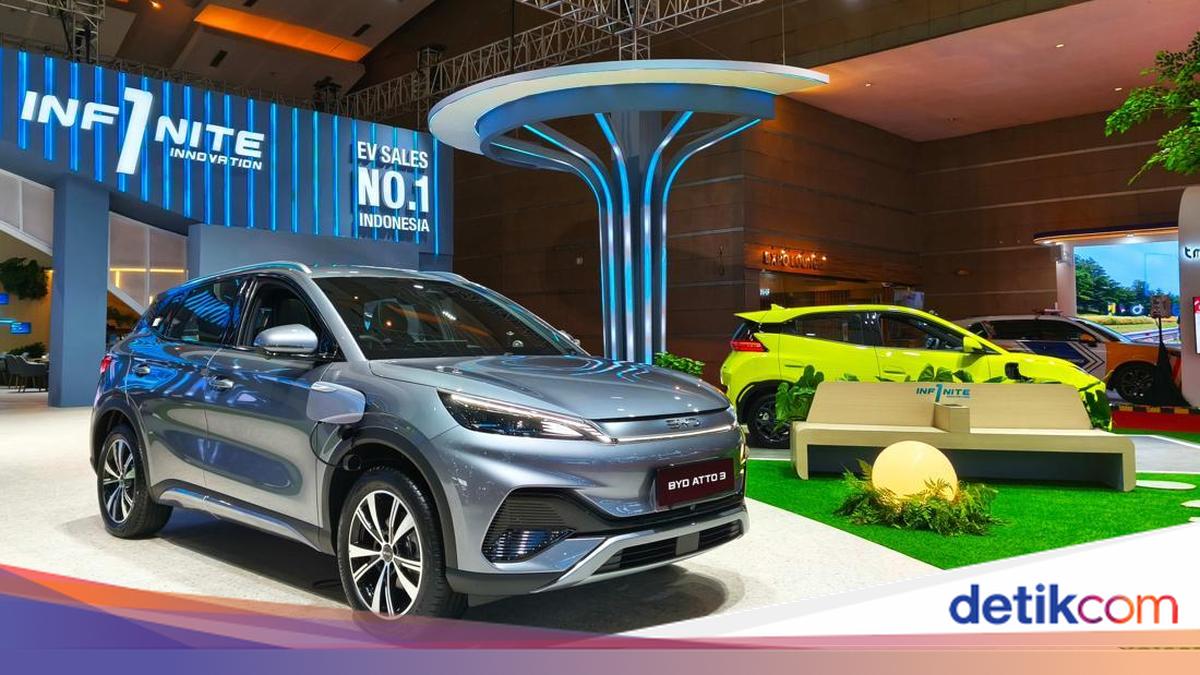
As global oil prices surge past $100 a barrel amid escalating conflict in the Middle East, Indonesia finds itself at a critical economic crossroads. The nation, which imports roughly 60% of its oil, is facing an acute fiscal squeeze as the cost of maintaining fuel subsidies threatens to destabilize the national budget. In response, Jakarta is accelerating its transition to electric vehicles (EVs), not merely as an environmental imperative, but as a strategic shield against geopolitical volatility.
For the Indonesian government, the EV transition is inextricably linked to its “downstreaming” industrial policy. By leveraging the world’s largest nickel reserves, Indonesia aims to move from being a raw material exporter to a global hub for battery production. This ambition has manifested in a targeted incentive structure that favors vehicles equipped with nickel-based batteries over alternatives like Lithium Iron Phosphate (LFP), creating a complex tension between national industrial goals and the practicalities of the global EV market.
This strategic pivot comes at a time of extreme currency pressure. As of May 12, 2026, the Indonesian rupiah has breached Rp17,500 to the U.S. Dollar, far exceeding the government’s budget assumption of Rp16,500. This devaluation, coupled with soaring crude prices, means that every $1 increase in the price of a barrel of oil adds an estimated Rp6.8–10.3 trillion ($400–$610 million) to the national deficit, according to data from the International Council on Clean Transportation (ICCT).
The Nickel Nexus: Industrial Policy vs. Consumer Choice
Indonesia’s approach to Indonesia EV battery incentives is designed to force a vertical integration of the supply chain. By offering higher incentives to EVs that utilize nickel-based batteries, the government is essentially subsidizing the demand for its own domestic mineral wealth. Nickel batteries, particularly Nickel Manganese Cobalt (NMC), typically offer higher energy density and longer ranges, making them attractive for high-end vehicles, but they are more expensive to produce than LFP alternatives.
The policy creates a “TKDN” (Tingkat Komponen Dalam Negeri) or Domestic Component Level challenge. To qualify for the most aggressive tax breaks and subsidies, manufacturers must prove that a significant portion of the vehicle—specifically the battery—is sourced and processed within Indonesia. Since Indonesia’s industrial infrastructure is heavily skewed toward nickel processing, LFP-based vehicles often struggle to meet the same incentive thresholds, despite being more affordable for the average consumer.
This creates a paradox: while the government wants to reduce fuel consumption rapidly to save the budget, the very incentives designed to build a domestic industry may slow the adoption of cheaper, LFP-powered EVs that could transition the masses away from internal combustion engines more quickly.
BYD and the LFP Pragmatism Debate
The entry of BYD into the Indonesian market has brought this tension into sharp focus. BYD, the world’s leading EV manufacturer, relies heavily on its proprietary “Blade Battery,” an LFP chemistry known for its safety, longevity, and lower cost. From a manufacturer’s perspective, the goal of the EV transition is the displacement of fossil fuels, regardless of the specific chemistry used in the battery cell.

BYD has signaled that whether a vehicle uses nickel or LFP, the ultimate objective remains the same: reducing carbon emissions and decreasing reliance on imported liquid fuels. For a global player like BYD, the rigid preference for nickel in Indonesian incentives represents a hurdle to scaling the fleet quickly. LFP batteries do not require nickel, cobalt, or manganese, making them less susceptible to the price volatility of those specific metals and generally more accessible to the middle-class market.
The debate is essentially one of “Industrialism vs. Adoption.” The Indonesian government is playing a long game, betting that by forcing the use of nickel, they will attract massive foreign direct investment in smelters and battery plants. BYD and other LFP proponents argue that the immediate fiscal crisis—the bleeding of the state budget through fuel subsidies—requires the fastest possible adoption of any efficient EV technology available.
The Fiscal Burden of Oil Dependence
To understand why the Indonesian government is so aggressive about this transition, one must look at the sheer scale of the fuel subsidy burden. In 2024, the government allocated approximately Rp130 trillion (~$7.6 billion) to keep fuel prices affordable for the public, as detailed by the ICCT. This expenditure acts as a massive drain on public funds that could otherwise be invested in infrastructure or healthcare.
The current Middle East crisis has acted as a catalyst, exposing the fragility of this model. When oil prices spike, the gap between the market price and the subsidized price widens, forcing the state to compensate the state-owned oil company to cover the difference. This “oil shock” creates a direct hit to the public purse, making the shift to domestic electricity—which Indonesia can produce using its own coal and growing renewable capacity—a matter of national security.
There is evidence that the strategy is already yielding results. In 2025, the growing fleet of EVs saved the Indonesian government more than Rp100 billion (~$5.8 billion) in public spending by substituting millions of liters of imported fuel with domestically produced electricity. While What we have is a fraction of the total subsidy bill, it proves the concept: every EV on the road is a direct reduction in the government’s exposure to global oil price volatility.
Strategic Implications for the Global Market
Indonesia’s struggle to balance industrial ambition with rapid adoption is a case study for other resource-rich nations. The “nickel-first” strategy is a high-stakes gamble. If successful, Indonesia becomes the “Saudi Arabia of Batteries,” controlling a critical node in the global energy transition. If it fails, or if LFP technology continues to outperform NMC in cost and safety, Indonesia may find itself with expensive infrastructure for a battery chemistry that the market is moving away from.
the geopolitical alignment of these policies is significant. By courting companies like BYD while simultaneously pushing for domestic nickel use, Indonesia is attempting to navigate the trade tensions between the U.S. And China. The U.S. Inflation Reduction Act (IRA) has its own strict rules about battery mineral sourcing to exclude Chinese influence, which puts Indonesia in a precarious position as it seeks to export its batteries to both Western and Eastern markets.
Comparison: Nickel-Based vs. LFP Batteries in Indonesia
| Feature | Nickel-Based (NMC) | LFP (Lithium Iron Phosphate) |
|---|---|---|
| Indonesian Incentives | Higher (due to domestic nickel) | Lower (less domestic content) |
| Cost to Consumer | Generally Higher | Generally Lower |
| Energy Density | High (Longer Range) | Moderate (Shorter Range) |
| Strategic Goal | Industrial Downstreaming | Rapid Mass Adoption |
What Happens Next?
The immediate future of Indonesia’s EV landscape will depend on whether the government is willing to loosen its nickel requirements to accelerate the reduction of fuel imports. With the rupiah continuing to struggle and oil prices remaining volatile, the pressure to prioritize “any EV” over a “nickel EV” is mounting.

Industry analysts are watching for updates to the TKDN regulations and the potential introduction of new incentive tiers that might recognize the fiscal value of LFP vehicles in reducing the state’s oil import bill. The government’s ability to pivot its policy will determine if Indonesia can successfully shield its economy from the next global energy shock.
The next critical checkpoint will be the review of the 2026 state budget assumptions, where the government will have to reconcile its fuel subsidy projections with the actual rate of EV adoption and the current trajectory of the rupiah.
Do you believe Indonesia should prioritize its domestic nickel industry or accelerate EV adoption regardless of battery chemistry? Share your thoughts in the comments below.