Indonesia’s Economic Shift: New Leadership, Ambitious goals, adn Fiscal Concerns
Indonesia is embarking on a potentially transformative economic journey under the newly elected administration of Prabowo Subianto, marked by a bold ambition to accelerate growth and a important shift in fiscal leadership. The recent appointment of Bambang purbaya as Finance Minister, following the unexpected removal of highly respected economist Sri Mulyani Indrawati, signals a clear intent to prioritize growth-focused policies, but also raises concerns about fiscal discipline and investor confidence. This analysis delves into the implications of these changes, examining the challenges and opportunities facing Indonesia as it strives for a higher economic trajectory.
A Change at the Helm: From Fiscal Prudence to Pro-Growth Policies
Sri Mulyani Indrawati’s departure, coming on the heels of widespread protests initially sparked by legislative allowances and broadening to encompass broader government spending priorities, represents a pivotal moment for indonesia’s economic management. Indrawati, a former IMF executive director, was widely credited with implementing crucial tax reforms and navigating Indonesia through global economic headwinds while maintaining a responsible fiscal stance. Her legacy is one of stability and credibility, a point underscored by fund manager Mohit Mirpuri of SGMC Capital, who described her exit as “the end of an era of fiscal credibility.”
The protests themselves highlight a growing public demand for economic benefits that directly impact everyday Indonesians. Prabowo’s landslide election victory was fueled by promises of expansive welfare programs, including free meals for 83 million children and pregnant women – commitments that necessitate a re-evaluation of existing fiscal constraints.
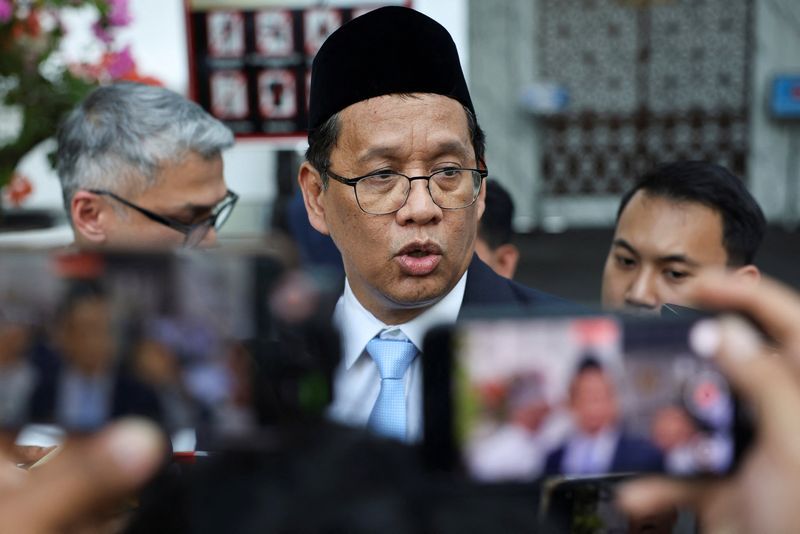
Bambang Purbaya, the newly appointed Finance Minister, embodies this shift towards a more aggressive growth strategy. An engineer-turned-economist with a background in both the private sector (Schlumberger, Danareksa) and government roles, including head of the Indonesia Deposit Insurance Corporation, purbaya is described by colleagues like herman Saheruddin as “very pro-growth” and possessing a firm belief in Indonesia’s potential to surpass its current 5% growth rate and achieve advanced economy status. He echoes Prabowo’s ambitious goal of reaching 8% growth, a level not seen as 1995, deeming it “not impossible” through strategic fiscal policy.The 8% Growth Target: Feasible Ambition or Risky Gamble?
Prabowo’s 8% growth target is undeniably ambitious. Achieving such a rate requires a confluence of factors, including significant increases in investment, productivity gains, and a favorable global economic surroundings.Purbaya’s stated intention to implement a “fiscal policy that has an optimal thrust for the economy” suggests a willingness to increase government spending to stimulate demand. However, this approach is not without risk.
Speculation is mounting that the administration may consider lifting the legal cap on the annual budget deficit, currently set at 3% of GDP – a rule established after the 1998 Asian financial crisis to prevent unsustainable debt accumulation. While Purbaya cautiously acknowledged his understanding of “prudent fiscal policy,” the pressure to fund Prabowo’s welfare programs and infrastructure projects could lead to a relaxation of these constraints.This potential shift in fiscal policy is the core of the concern. Indonesia’s economic success in recent decades has been built on a foundation of fiscal responsibility.Abandoning this principle could erode investor confidence, lead to currency depreciation, and ultimately undermine long-term economic stability.
navigating the Challenges: Restoring Confidence and Ensuring Sustainable Growth
Purbaya faces a formidable task in reassuring investors and the public that Indonesia can pursue ambitious growth targets without sacrificing fiscal discipline. Key challenges include:
Maintaining Fiscal Discipline: Demonstrating a commitment to responsible budgeting and debt management is crucial to preserving investor confidence. Transparency in government spending and a clear articulation of how welfare programs will be funded are essential.
Protecting Central Bank Independence: maintaining the independence of Bank Indonesia is vital for controlling inflation and ensuring macroeconomic stability.Any perceived interference in monetary policy could spook investors.
Ensuring Data Integrity: Accurate and reliable economic data is fundamental for informed decision-making. Purbaya must prioritize the integrity of Indonesia’s statistical systems.
Restoring Public Trust: Addressing public concerns about unproductive government spending, such as the controversial legislative allowances that triggered the recent protests, is critical for building social cohesion and fostering a sense of shared prosperity.A Focus on Domestic Demand and Equitable advancement
Purbaya’s vision for achieving high growth centers on strengthening domestic demand through increased household purchasing power, boosting domestic investment, and enhancing productivity in key sectors. He draws inspiration from the