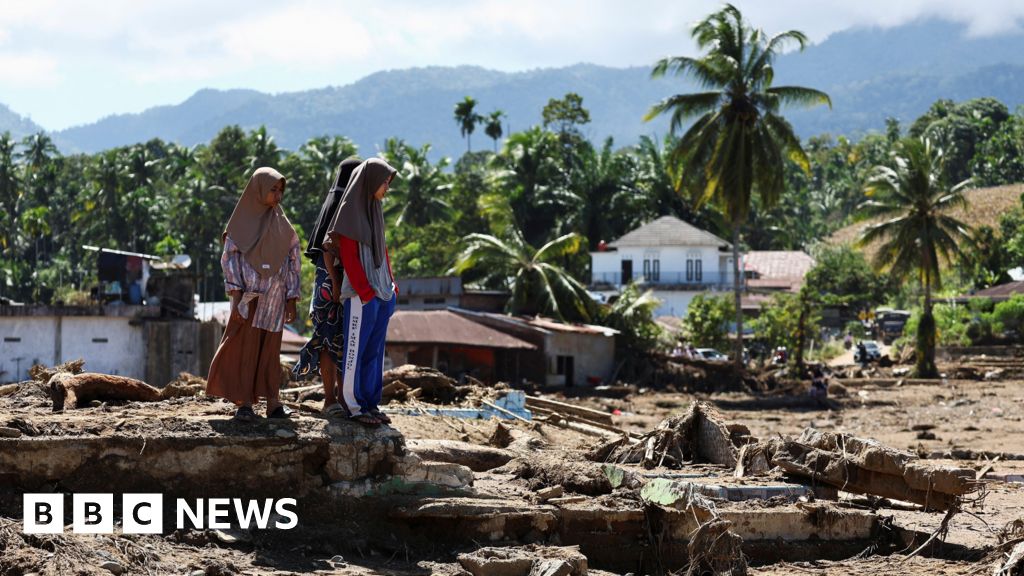
Devastating Floods Across South and Southeast Asia: Understanding teh Causes and Impacts
Recent weeks have witnessed catastrophic flooding and landslides across South and Southeast Asia, tragically claiming the lives of approximately 1,100 people. The scale of devastation is immense, wiht communities struggling to recover and aid organizations racing to provide assistance. Let’s delve into the complex meteorological factors driving these events and what they signify for the region.
A Region Under Water: The Scope of the Crisis
Sri Lanka has been especially hard hit, reporting a heartbreaking death toll of 355 individuals.Thailand is also grappling with significant losses, with at least 176 lives lost to the relentless floods. However, the crisis isn’t isolated to these two nations; widespread flooding has impacted multiple countries, creating a humanitarian emergency.
rescue workers are facing immense challenges in reaching isolated areas, hindering the delivery of vital aid and support. The situation remains critical, demanding sustained international attention and resources.
Beyond a Single Storm: The Complex Weather Patterns
It’s crucial to understand that these floods aren’t the result of a single,isolated weather event. Instead, a confluence of meteorological factors has converged to create this widespread disaster. Here’s a breakdown of the key contributors:
* The northeast Monsoon: This seasonal wind pattern affects East and South Asia from November to March, bringing ample rainfall to coastal regions. It draws moisture from the ocean, depositing it over land and fueling heavy precipitation.
* Cyclonic Storm Ditwah: Sri Lanka experienced considerably enhanced rainfall due to this slow-moving storm. Ditwah unleashed over half a meter of rain in some areas within just a few days, overwhelming drainage systems and triggering landslides. Fortunately, the storm has weakened and moved northward, bringing rain to southeast India, with drier conditions now forecast for Sri Lanka.
* Cyclonic Storm Senyar: The Malay peninsula, Sumatra, and southern Thailand faced a similar situation with Senyar. This unusually rare storm, forming close to the equator, amplified the monsoon and delivered over a meter of rain in certain locations.
* Tropical Cyclones and Remnants of Typhoon Koto: Vietnam has been exceptionally wet in recent weeks, with monsoon rains intensified by tropical cyclones. The remnants of ex-Typhoon Koto are currently approaching the Vietnamese coast, threatening further heavy downpours and exacerbating the flooding.
The Role of Climate Change
While natural weather patterns are the immediate drivers of these floods, the influence of climate change cannot be ignored. You might potentially be aware that a warming planet isn’t necessarily expected to increase the number of tropical storms and cyclones. Though, the storms that do occur have the potential to be far more intense.
This increased intensity translates to heavier rainfall, which significantly elevates the risk of devastating floods. Therefore, understanding the link between climate change and extreme weather events is vital for effective disaster preparedness and mitigation.
What Does This Mean for You?
If you live in or travel to these regions, staying informed about weather forecasts and heeding local warnings is paramount. Here are some essential steps you can take:
* monitor Weather Updates: Regularly check reliable weather sources for the latest details.
* Heed Evacuation Orders: If authorities issue an evacuation order,comply instantly.
* Prepare an Emergency Kit: include essential supplies like food, water, medication, and a first-aid kit.
* Stay Informed: Follow local news and emergency services for updates and guidance.
The recent floods across South and Southeast Asia serve as a stark reminder of the increasing vulnerability of these regions to extreme weather events. Addressing this challenge requires a multifaceted approach, including improved infrastructure, enhanced disaster preparedness, and a concerted global effort to mitigate the impacts of climate change.
Keep reading