
In a significant policy directive aimed at bolstering the stability of the Indonesian currency, authorities have intensified efforts to regulate financial transactions within the nation’s maritime logistics sector. The push to minimize the use of the United States Dollar (USD) in port operations reflects a broader strategy by the Indonesian government to reduce dependency on foreign currencies and mitigate the risks associated with exchange rate volatility.
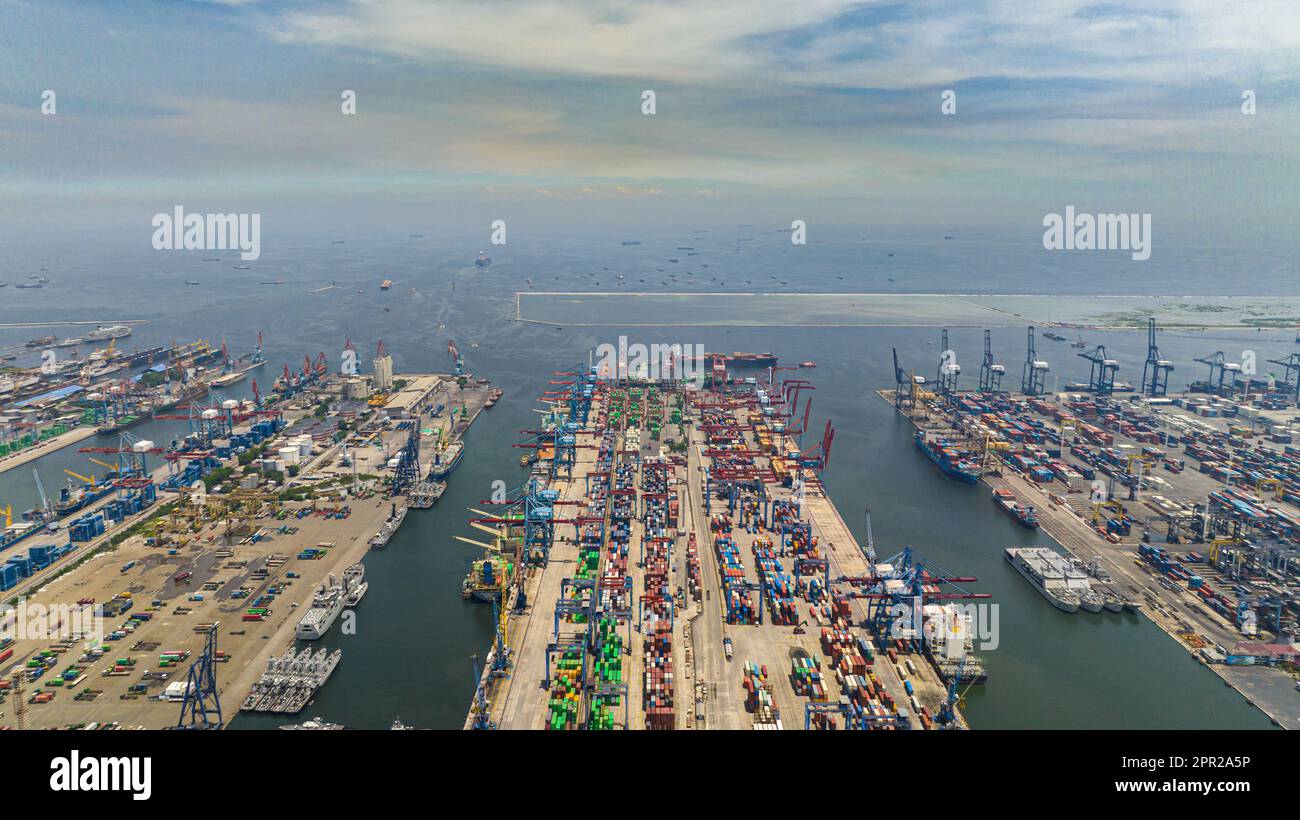
As the government moves to streamline operations at Tanjung Priok, the country’s busiest port, officials have emphasized the importance of prioritizing the Indonesian Rupiah (IDR) for domestic trade settlements. This shift is part of a larger, ongoing effort to address logistical bottlenecks and improve the efficiency of the national supply chain, which has faced scrutiny due to the accumulation of cargo containers.
Strengthening the Rupiah in Maritime Trade
The directive to move away from USD-denominated transactions in local port activities is fundamentally aimed at protecting the Rupiah from unnecessary downward pressure. By mandating the use of the local currency for port-related services, regulators intend to reduce the demand for foreign exchange within the domestic shipping industry. According to data from Bank Indonesia, the central bank continues to promote the implementation of local currency settlement frameworks to enhance macro-economic stability and reduce systemic exposure to global currency fluctuations.

For businesses operating within the maritime sector, this transition represents a shift in how operational costs—such as terminal handling charges and storage fees—are settled. While the transition may present short-term administrative adjustments for shipping lines and logistics providers, the government maintains that the long-term objective is to foster a more resilient domestic financial environment.
Addressing Logistical Bottlenecks at Tanjung Priok
Beyond currency regulations, the government has been actively addressing the physical congestion at Tanjung Priok. Recent reports have highlighted the accumulation of containers, which has prompted high-level intervention to ensure the smooth flow of goods. The Ministry of Finance and related agencies have committed to enhancing 24/7 service operations to clear backlogs and prevent further disruptions to the national supply chain.

The Ministry of Finance, led by the Minister of Finance, has emphasized the necessity of inter-agency cooperation to resolve these logistical hurdles. Detailed information regarding the government’s ongoing infrastructure and service improvements can be monitored through the official portal of the Ministry of Finance of the Republic of Indonesia, which provides updates on trade policies and customs regulations.
Key Focus Areas for Supply Chain Efficiency
To maintain a competitive edge and ensure the fluidity of national logistics, several strategic initiatives are currently being prioritized:
- Operational Readiness: Strengthening customs services to operate on a continuous 24/7 basis, reducing dwell time for imported goods.
- Currency Stability: Encouraging the adoption of the Rupiah for all domestic port-related transactions to bolster the national currency’s position.
- Regulatory Oversight: Improving coordination between the Ministry of Finance, the Directorate General of Customs and Excise, and port authorities to eliminate “bottlenecks” in container processing.
The Directorate General of Customs and Excise has reiterated its commitment to improving import services, as outlined in their recent operational guidelines available on the official customs and excise website. These measures are designed to support national economic growth by ensuring that industrial inputs and consumer goods move through the ports without unnecessary delays.
Looking Ahead: What This Means for Stakeholders
For international investors and local logistics firms, the current climate is defined by a focus on efficiency and national economic sovereignty. The directive to limit USD transactions is not merely a financial preference but a strategic move to insulate the domestic economy from external shocks. Stakeholders are encouraged to stay informed of upcoming regulatory updates through official government channels.
As of mid-2026, the government remains committed to its dual agenda: clearing the current backlog of containers at major ports and stabilizing the currency. Further announcements regarding the enforcement of these policies are expected in the coming months as the Ministry of Finance continues its oversight of the maritime sector. Readers are encouraged to share their thoughts or experiences regarding these changes in the comments section below, as we continue to track this evolving story.
Keep reading