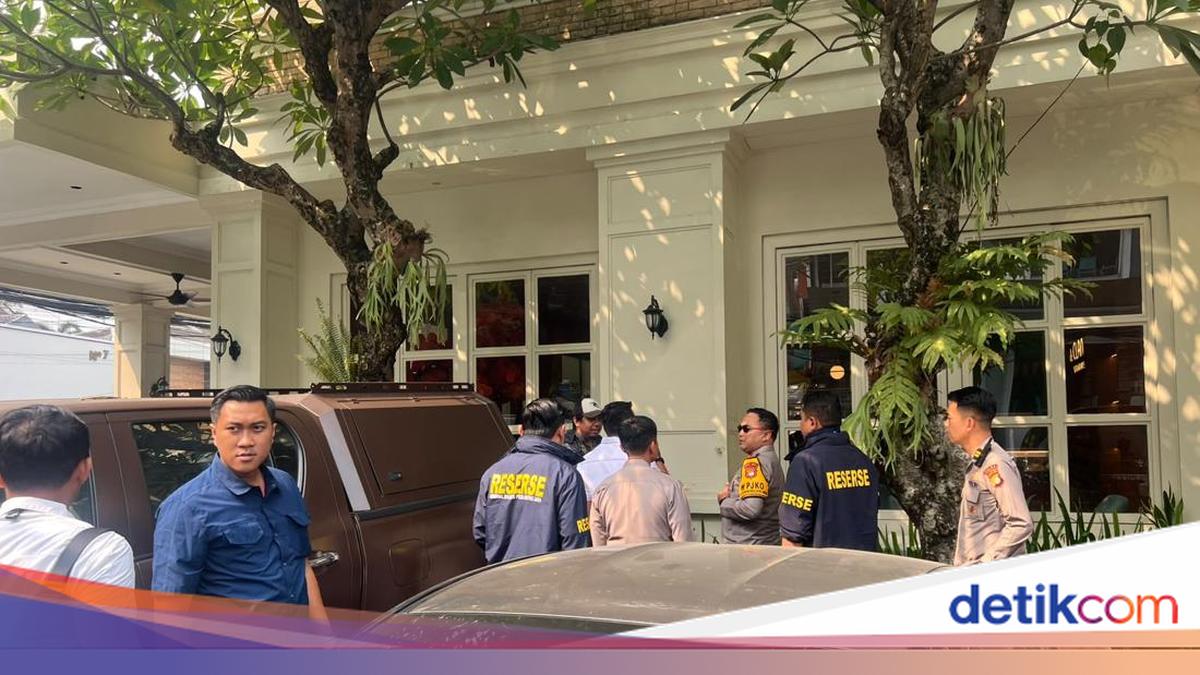
Indonesian National Police (Polri) investigators raided a cafe and a money changer in the Cipete area of South Jakarta. The raids are connected to a case involving PLN, Asabri, and Krakatau Steel, according to reports from detikNews.
The operations targeted eight different locations, including a restaurant in Cipete, to trace the flow of illicit funds. These searches are part of a larger probe into the "Blackout Sumatera" case, which investigators are treating as a corruption and money laundering (TPPU) investigation.
The investigation specifically examines the Domestic Market Obligation (DMO) for coal. According to analysis from the Institute for Strategic Economic and Social Studies (ISESS), the suspected manipulation of coal DMOs may have systemic impacts on the national energy sector.
Police Raids in Cipete Target Money Laundering Networks
According to Kompas.com, the restaurant in Cipete was one of eight specific sites identified as critical to the evidence-gathering phase of the Blackout Sumatera probe.

Links to PLN, Asabri, and Krakatau Steel
The scope of the investigation is expansive, linking the Cipete raids to three state entities. The investigation focuses on the intersection of energy procurement and financial mismanagement:
- PLN (Perusahaan Listrik Negara): The state electricity company is central to the probe regarding coal procurement and the subsequent power failures in Sumatra.
- Asabri: The state-owned insurance company for the military and police is involved.
- Krakatau Steel: The state-owned steel producer is being scrutinized.
The investigation into the coal DMO manipulation is particularly critical, as it involves the legal mandate for mining companies to sell a percentage of their coal to PLN at a capped price to stabilize electricity costs for the public.
Systemic Impact of Coal DMO Manipulation
According to an observer from ISESS, the investigation must be comprehensive because the corruption in coal distribution can lead to systemic failures in the power grid. When coal is diverted to the international market for higher profits despite DMO requirements, power plants face fuel shortages.
This shortage is cited as a cause for the "Blackout Sumatera" events. The legal framework governing the DMO is intended to prevent exactly this type of market failure.
Legal experts cited by Media Indonesia argue that the manipulation of essential commodities like coal warrants severe penalties due to the public harm caused by power outages.
Next Steps in the Investigation
The Indonesian National Police are currently analyzing the documents and digital evidence seized from the eight locations, including the Cipete cafe and money changer.