
The Indonesian economy is currently navigating a period of heightened sensitivity as the rupiah faces sustained downward pressure against the U.S. Dollar. In recent trading sessions, the currency has breached the psychological threshold of Rp 16,000 to Rp 18,000 per dollar, a movement that has prompted significant scrutiny from market analysts and policymakers alike. While currency volatility is not uncommon in emerging markets, the recent depreciation has sharpened the focus on the structural resilience of Southeast Asia’s largest economy.
The current fluctuation in the rupiah exchange rate against the U.S. Dollar is driven by a confluence of global and domestic factors. Chief among these is the “higher for longer” interest rate environment maintained by the U.S. Federal Reserve, which has historically strengthened the dollar index and triggered capital outflows from emerging markets, including Indonesia. According to the Bank Indonesia (BI) official exchange rate data, the central bank continues to intervene in the foreign exchange market to manage excessive volatility and ensure the rupiah remains in line with its fundamental value.
Understanding the Drivers of Currency Depreciation
The recent weakening of the rupiah is not an isolated event but rather a reflection of broader global economic shifts. Investors have been closely monitoring the interest rate trajectory of the U.S. Federal Reserve, as the gap between domestic and foreign yields influences capital allocation. When U.S. Treasury yields rise, capital often migrates toward dollar-denominated assets, putting downward pressure on emerging market currencies. As noted by the International Monetary Fund in its latest World Economic Outlook, global financial conditions remain tight, necessitating proactive management by central banks in developing nations.

Domestically, the Indonesian government maintains that the country’s economic fundamentals remain robust. Key indicators, such as a manageable debt-to-GDP ratio and a resilient trade surplus, are frequently cited by the Ministry of Finance as evidence of the economy’s capacity to withstand external shocks. However, the transmission of currency weakness to the real economy remains a concern. For businesses that rely heavily on imported raw materials, a weaker rupiah translates directly into higher production costs, which can eventually lead to imported inflation.
The Case for Fiscal and Monetary Synergy
To mitigate the impact of this volatility, there has been a growing consensus among economists and policymakers regarding the need for closer synergy between fiscal and monetary authorities. The coordination between Bank Indonesia, which manages monetary policy, and the Ministry of Finance, which oversees the state budget, is essential for maintaining investor confidence. Effective policy coordination ensures that interest rate decisions are supported by disciplined fiscal spending, thereby signaling stability to international markets.
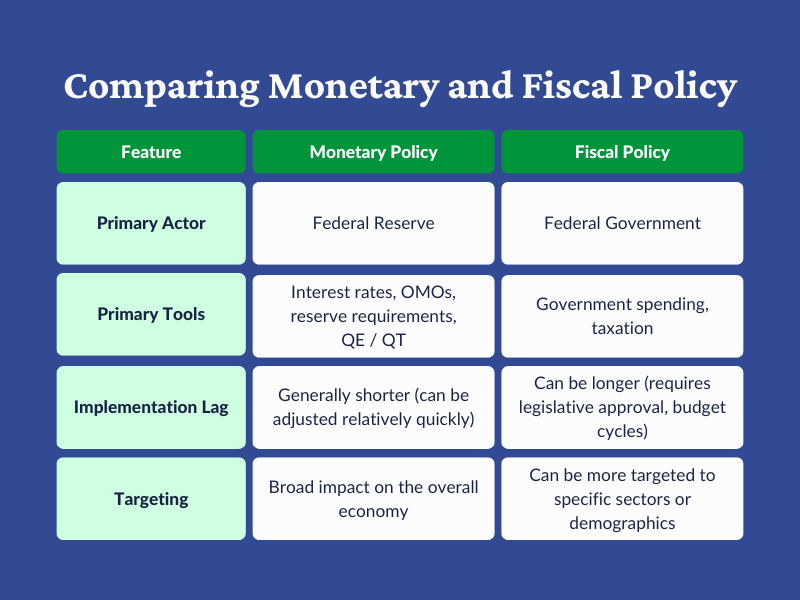
This synergy is particularly crucial for maintaining the attractiveness of domestic government bonds (SBN). By ensuring that the yield spread remains competitive and that fiscal targets are met, the government aims to keep foreign capital within the Indonesian market. As reported by the Indonesian Ministry of Finance, the government continues to prioritize fiscal consolidation to provide a buffer against global uncertainty, aiming to keep the budget deficit within the limits mandated by law.
Impact on Stakeholders and the Real Economy
The implications of a fluctuating rupiah extend far beyond the trading floors of Jakarta. For the manufacturing sector, particularly in industrial hubs like West Java, the cost of imported machinery and intermediate goods has seen a notable increase. This “import-induced cost push” poses a challenge for export-oriented businesses that must balance competitive pricing with rising operational expenses. Small and medium-sized enterprises (SMEs), which often have less flexibility in their supply chains, are particularly vulnerable to these shifts.
Conversely, for Indonesian exporters of commodities—such as palm oil, coal, and nickel—a weaker currency can provide a short-term boost in terms of converted revenue. However, the net effect on the economy depends on whether the increase in export earnings can offset the rise in import costs. The government’s focus remains on encouraging downstream processing (hilirisasi) to increase the value-added component of exports, which is intended to reduce the country’s reliance on raw commodity price fluctuations.
Key Economic Indicators to Monitor
- U.S. Federal Reserve Interest Rate Decisions: The primary external driver for global currency fluctuations.
- Bank Indonesia’s Policy Rate (BI-Rate): The central bank’s primary tool for managing inflation and exchange rate stability.
- Trade Balance Data: A consistent trade surplus is vital for supporting the current account and, by extension, the currency.
- Foreign Portfolio Inflows: Monitoring the movement of capital in and out of the domestic bond and equity markets.
Looking Ahead: The Path to Stabilization
As the global economy moves through the remainder of the fiscal year, market participants will be looking for clear signals from both the U.S. Federal Reserve and local regulators regarding future policy directions. The next major checkpoint for the domestic market will be the release of quarterly economic growth figures and the subsequent Bank Indonesia Board of Governors meeting, where the central bank will provide updated assessments on the outlook for inflation and the exchange rate.

For investors and business leaders, the current environment underscores the importance of hedging strategies and maintaining a focus on long-term structural strengths rather than short-term market noise. While the headline figure of the rupiah against the dollar often captures attention, the true measure of economic health lies in the continued commitment to fiscal discipline and the successful implementation of structural reforms that enhance productivity and competitiveness on a global scale.
As a senior editor covering global markets, I will continue to track these developments closely. We invite our readers to share their perspectives on how these shifts are impacting their specific sectors in the comments section below.
Related reading