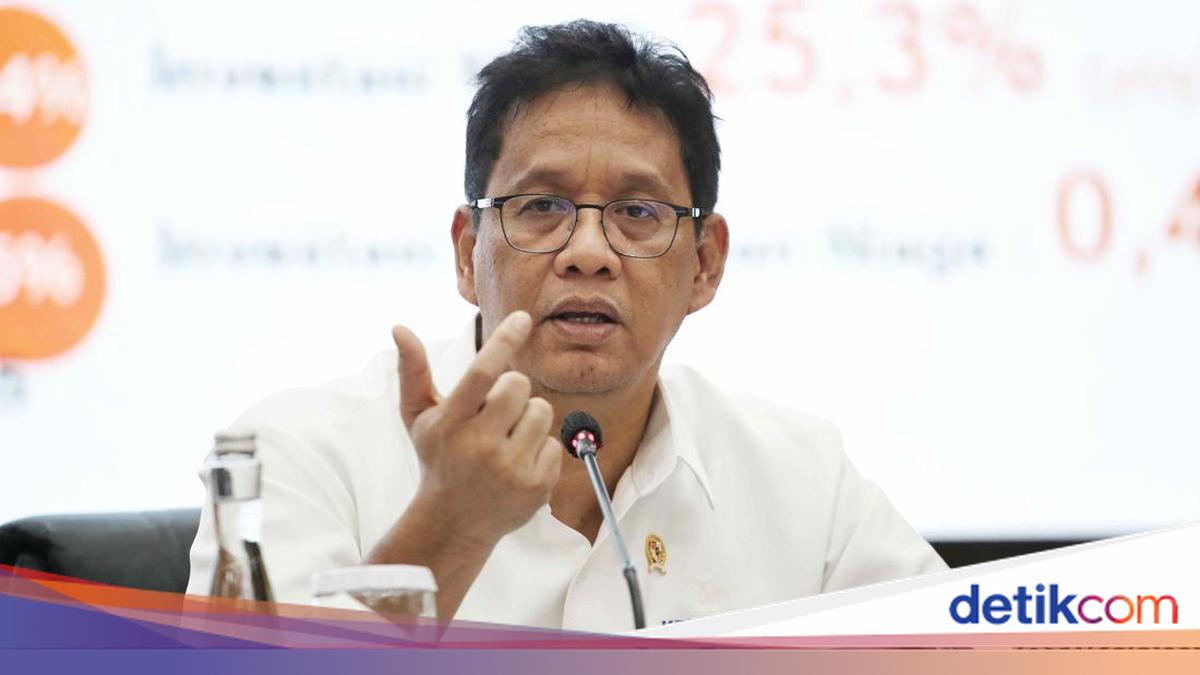
Jakarta, Indonesia – Indonesia’s Minister of Finance, Purbaya Yudhi Sadewa, has moved to reassure both President Prabowo Subianto and the public that the nation’s economy is on solid footing, despite concerns circulating on social media – particularly on platforms like TikTok – suggesting otherwise. The Minister addressed these anxieties during a cabinet meeting on Friday, March 13, 2026, firmly stating that claims of economic turmoil are unfounded. This comes as Indonesia navigates a complex global economic landscape and seeks to maintain stable growth under the new administration.
The reassurance from Minister Sadewa follows a period of scrutiny regarding Indonesia’s economic performance, fueled in part by commentary from economists sharing their perspectives online. The Minister specifically referenced concerns voiced on TikTok, a platform increasingly influential in shaping public opinion, where some analysts have painted a bleak picture of the Indonesian economy. The government’s response underscores the importance it places on managing public perception and countering narratives that could undermine investor confidence. Purbaya Yudhi Sadewa, appointed to the role in September 2025, is tasked with steering Indonesia’s economic policy under President Prabowo Subianto, a shift from the previous administration led by Joko Widodo.
Addressing Recession Fears and Inflation Concerns
Minister Sadewa directly refuted assertions that Indonesia is currently experiencing, or is on the verge of, a recession. He asserted that such claims are not supported by recent economic data. According to Sadewa, the supply side of the Indonesian economy remains robust, citing a Purchasing Managers’ Index (PMI) of 53.8 in February 2026 – a figure he described as the highest in several years. This PMI reading indicates expansion in the manufacturing sector, a key driver of economic growth. The PMI is a crucial indicator of the economic health of the manufacturing sector, providing insights into business activity and future trends.
The Minister also tackled concerns surrounding inflation, which reached 4.76% year-on-year in February 2026. He explained that this figure was inflated by the comparison to the same period in 2025, when government-subsidized electricity tariffs artificially lowered inflation rates. Adjusting for this base effect, Sadewa stated that the actual inflation rate was approximately 2.59%, well within a manageable range. This explanation aims to contextualize the inflation data and demonstrate that underlying inflationary pressures are not as severe as initially indicated. Controlling inflation is a key priority for the Indonesian government, as it directly impacts the purchasing power of consumers and the overall stability of the economy.
Positive Indicators in Key Sectors
Beyond the PMI and inflation data, Minister Sadewa highlighted positive trends in other sectors of the Indonesian economy. He pointed to a 12.2% increase in automotive sales in February 2026 as evidence of growing consumer demand and economic activity. This growth in the automotive sector is often seen as a bellwether for broader economic health, reflecting consumer confidence and investment. The Minister’s presentation to President Subianto aimed to provide a comprehensive overview of the Indonesian economy, emphasizing its strengths and resilience in the face of external challenges.
Purbaya Yudhi Sadewa’s background as the former head of the Indonesia Deposit Insurance Corporation (LPS) from 2020 to 2025 provides him with a unique perspective on financial stability and risk management. His appointment as Minister of Finance signals a commitment to maintaining a stable and resilient financial system. The LPS plays a critical role in protecting depositors and ensuring the stability of the banking sector, experience that is directly relevant to his current role.
Broader Economic Context and Government Policy
Indonesia, as the world’s largest Muslim-majority country, faces unique economic challenges and opportunities. The recent establishment of a dedicated Hajj Ministry, with Mochamad Irfan Yusuf at its helm, reflects the government’s recognition of the importance of the Hajj pilgrimage to the Indonesian economy. With over 221,000 Indonesian pilgrims traveling to Mecca in 2026, the Hajj represents a significant economic activity, requiring dedicated management and infrastructure. This move demonstrates the Prabowo Subianto administration’s focus on addressing specific needs and priorities within the Indonesian context.
The recent cabinet reshuffle, which saw the replacement of Finance Minister Sri Mulyani with Purbaya Yudhi Sadewa, also included changes in other key portfolios. Budi Gunawan was removed as Chief Security Minister, and Dito Ariotedjo stepped down as Sports Minister. These changes reflect President Subianto’s desire to assemble a team aligned with his vision for Indonesia’s future. The reshuffle signals a shift in policy priorities and a commitment to implementing new strategies for economic and social development.
The Role of Social Media in Economic Discourse
The Minister’s direct response to commentary on TikTok highlights the growing influence of social media in shaping economic narratives. Even as social media platforms can provide a valuable forum for discussion and debate, they also pose challenges in terms of misinformation and the spread of unsubstantiated claims. The Indonesian government is increasingly aware of the need to engage with these platforms and counter narratives that could harm the country’s economic interests. This situation reflects a broader global trend, as governments and policymakers grapple with the impact of social media on public opinion and economic stability.
The government’s approach to addressing these concerns will likely involve a combination of proactive communication, data-driven analysis, and collaboration with social media platforms to promote accurate information. Maintaining public trust and confidence in the economy is crucial for attracting investment and sustaining economic growth. The Minister’s statements are a clear indication that the Indonesian government is taking this challenge seriously.
Looking Ahead: Key Economic Indicators to Watch
As Indonesia moves forward, several key economic indicators will be closely watched. These include the country’s GDP growth rate, inflation rate, PMI, and foreign investment levels. The government’s ability to maintain macroeconomic stability and promote sustainable growth will be crucial for ensuring the long-term prosperity of the nation. Monitoring these indicators will provide valuable insights into the health of the Indonesian economy and inform policy decisions.
The next major economic data release is expected in April 2026, when the Central Bureau of Statistics (BPS) will publish its first-quarter GDP figures. This data will provide a more comprehensive assessment of Indonesia’s economic performance and will be closely scrutinized by investors and analysts. The BPS is the official source of economic statistics in Indonesia, and its data is widely regarded as reliable and accurate. The BPS website provides access to a wide range of economic data and reports.
The Indonesian economy continues to navigate a complex global environment, facing challenges such as fluctuating commodity prices, geopolitical tensions, and the ongoing impact of the COVID-19 pandemic. However, with a strong focus on macroeconomic stability, structural reforms, and strategic investments, Indonesia is well-positioned to achieve sustainable economic growth and improve the living standards of its citizens.
As the debate surrounding Indonesia’s economic health continues, it’s clear that transparency, data-driven analysis, and effective communication will be essential for building trust and fostering a shared understanding of the challenges and opportunities that lie ahead. The government’s commitment to addressing concerns and providing accurate information will be crucial for maintaining investor confidence and ensuring the long-term prosperity of the Indonesian economy.
Stay tuned to World Today Journal for further updates on Indonesia’s economic performance and policy developments. We encourage you to share your thoughts and insights in the comments below.
Related reading