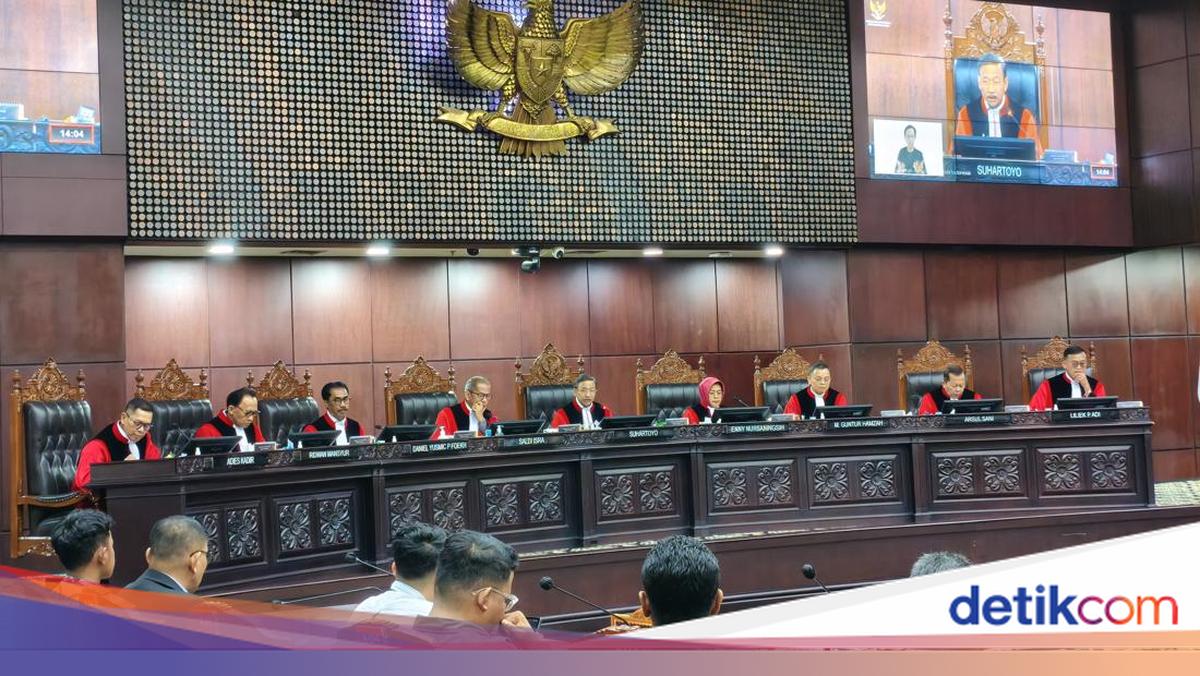
The Constitutional Court of Indonesia (Mahkamah Konstitusi) has declined to accept a legal challenge filed by Delpedro regarding specific provisions in the modern Criminal Code (KUHP), specifically those concerning incitement and the spread of fake news. The court’s decision to reject the petition marks a significant moment in the ongoing legal debate over the balance between national security and the protection of freedom of expression in Indonesia.
The challenge brought by Delpedro sought to review the constitutionality of articles within the new KUHP that penalize the act of inciting the public or spreading false information. This legal move was part of a broader effort by civil society and legal activists to prevent the “revival” of norms that had previously been declared unconstitutional by the court in earlier rulings.
The court’s refusal to hear the case means that the contested provisions remain intact within the legal framework of the new Criminal Code. This decision follows a pattern of intense scrutiny over the new code, which has been criticized by various human rights organizations for containing “rubber articles” (pasal karet)—vague phrasing that could potentially be misused by authorities to stifle dissent or target political opponents.
As a veteran of international reporting, I have seen similar tensions play out across various jurisdictions where new penal codes attempt to modernize law while simultaneously tightening control over public discourse. In Indonesia, the transition to the new KUHP is not merely a technical legal update but a reflection of the state’s evolving approach to public order and digital communication.
The Legal Core: Incitement and Fake News
At the heart of Delpedro’s challenge was the concern that the provisions on incitement and fake news are overly broad. Under the new Criminal Code, activities that are deemed to incite the public to commit crimes or disrupt public order can lead to criminal sanctions. The petitioner argued that such language lacks the precision required for criminal law, potentially infringing upon the constitutional right to freedom of speech.
The specific focus on “fake news” is particularly poignant in the digital age. The challenge sought to address how the state defines “false information” and whether the penalties associated with spreading such news are proportionate or if they serve as a tool for censorship. The challenge by Delpedro to the Constitutional Court highlighted the risk that these articles could be used to criminalize legitimate criticism of the government.
the petition raised concerns about the “resurrection” of norms. There have been reports and observations from within the judiciary that certain legal norms previously struck down by the Constitutional Court as inconstitutional have effectively been reintroduced under different phrasing or within the structure of the new KUHP. This creates a legal paradox where the court is asked to rule on the constitutionality of a code that may contain elements the court has already rejected in the past.
Understanding the Impact on Civil Liberties
The rejection of this petition has immediate implications for journalists, activists and the general public in Indonesia. When the Constitutional Court refuses to narrow the definition of “incitement” or “fake news,” it leaves the interpretation of these terms to the discretion of law enforcement and lower courts. This ambiguity often leads to a “chilling effect,” where individuals self-censor to avoid the risk of prosecution.
For the global community, this development is a signal of the challenges facing democratic consolidation in Southeast Asia. The use of criminal law to regulate speech is a recurring theme in the region, and the new KUHP is seen as a pivotal document that will define the boundaries of acceptable discourse for years to come.
Legal experts argue that the “rubber articles” within the KUHP do not just affect high-profile political figures but also ordinary citizens who may be swept up in broad interpretations of “disturbing public order.” The lack of a judicial check on these specific articles, as seen in the court’s refusal to accept Delpedro’s petition, means the legal shield against potential state overreach remains thin.
Who is Affected by This Decision?
- Journalists: The risk of being accused of spreading “fake news” while reporting on sensitive government failures increases when legal definitions remain vague.
- Human Rights Defenders: Activists criticizing state policy may find themselves targeted under “incitement” charges.
- Digital Citizens: Social media users who share unverified but critical information could face legal repercussions.
- Legal Practitioners: Lawyers must now navigate a penal code where some provisions are contested but legally binding.
The Broader Context of the New KUHP
The new Criminal Code is a massive undertaking aimed at replacing the colonial-era Dutch penal code that Indonesia has used for over a century. While the government frames the new code as a “decolonization” of the law, critics argue that it replaces colonial control with modern state control.
One of the most contentious aspects of the new code is the inclusion of “living law” or customary law, which allows for the prosecution of acts that are considered crimes by local customs, even if they are not explicitly written in the national code. While this aims to respect indigenous traditions, it adds another layer of unpredictability to the legal system, further complicating the issues of fairness and transparency raised in the Delpedro case.
The tension between the Constitutional Court and the legislative body is evident in how the KUHP was drafted and subsequently challenged. The fact that some norms previously declared unconstitutional have reappeared in the new code suggests a disconnect between the judiciary’s interpretations of the constitution and the legislature’s priorities in maintaining public order.
Key Legal Considerations
| Issue | Government Position | Critic/Petitioner Position |
|---|---|---|
| Fake News Articles | Necessary to prevent social chaos and disinformation. | Vague phrasing allows for the criminalization of dissent. |
| Incitement Provisions | Protects the state and public order from instability. | Threatens freedom of expression and assembly. |
| Constitutional Norms | The new code is a comprehensive modernization of law. | Reintroduces norms previously ruled unconstitutional. |
What Happens Next?
With the Constitutional Court declining to accept the petition, the current provisions of the KUHP regarding incitement and fake news remain the law of the land. However, this is rarely the end of the road for legal challenges in Indonesia. Other parties may attempt to file new petitions with different legal arguments or seek “judicial review” based on specific cases as the law is applied in practice.

The international community, including human rights monitors and diplomatic missions, will likely continue to observe how these articles are implemented. The real test will come when these laws are used in court to charge individuals, at which point the debate over “rubber articles” will shift from theoretical constitutional challenges to actual courtroom battles over the definition of truth and order.
For those following this development, the next critical checkpoint will be the actual implementation phase of the KUHP and any subsequent rulings by lower courts that may provide a basis for further constitutional challenges. We will continue to monitor the court’s filings and any new petitions emerging from civil society groups.
Do you believe the balance between public order and free speech is being maintained in the new code? Share your thoughts in the comments below or share this article to spark a discussion on global legal standards.
Related reading