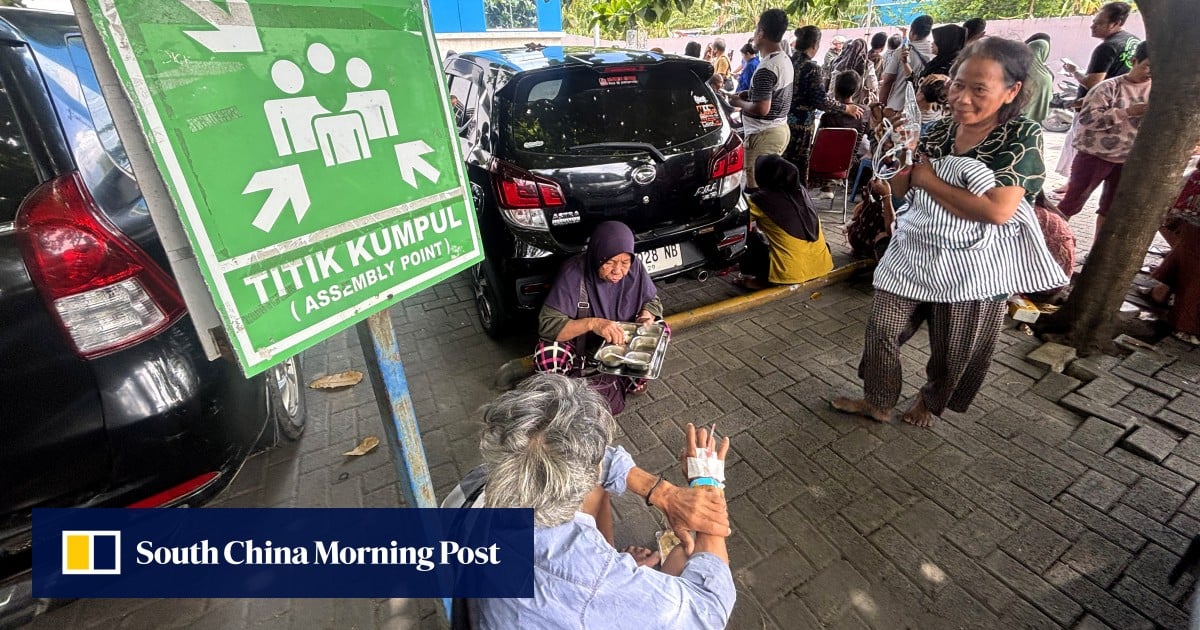
Residents in Palu, the capital of Central Sulawesi province, fled to open spaces on Tuesday following a magnitude 6.7 earthquake that caused structural damage across the region. According to the Indonesian Agency for Meteorology, Climatology, and Geophysics (BMKG), the tremor occurred in a zone historically prone to high seismic activity, prompting immediate evacuations of hospitals and residential buildings as a precautionary measure. While local authorities continue to assess the full extent of the impact, the event has reignited concerns in a city still recovering from the devastating 2018 earthquake and tsunami.
The earthquake struck with significant intensity, forcing medical staff at local facilities to move patients, including those requiring continuous care, to outdoor areas to ensure their safety. Local reports indicate that while the tremors caused visible cracks and structural damage to several buildings, disaster management teams remain on high alert for potential aftershocks. The United States Geological Survey (USGS) monitor provides ongoing data regarding the tectonic shifts in this region, which sits along the highly active Pacific Ring of Fire.
Historical Context of Seismic Risk in Palu
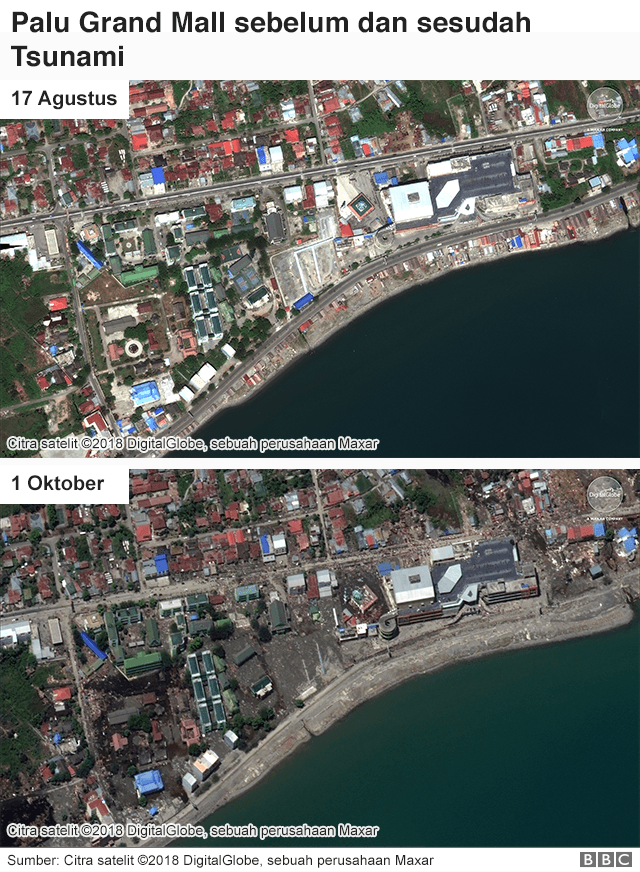
The urgency of the response in Palu is largely driven by the city’s recent history with natural disasters. In September 2018, a 7.5-magnitude earthquake triggered a powerful tsunami that struck the coast of Central Sulawesi, resulting in thousands of fatalities and widespread destruction of infrastructure. According to the United Nations Office for the Coordination of Humanitarian Affairs (OCHA), the 2018 event remains one of the most significant disasters in recent Indonesian history, fundamentally altering the region’s approach to disaster preparedness and urban planning.

Because of this legacy, residents are highly sensitive to seismic activity. The swift movement of citizens into open fields and designated assembly points on Tuesday reflects an increased level of public awareness and the implementation of community-led evacuation drills. Local government officials have urged the public to remain calm while avoiding damaged structures that may be structurally compromised by the shaking.
Emergency Protocols and Hospital Operations
Hospitals in the affected area prioritized the safety of vulnerable patients during the initial tremors. Medical teams were observed transferring patients, some still connected to intravenous drips, into temporary outdoor triage centers. This rapid deployment of safety protocols is part of a broader strategy mandated by the Indonesian National Board for Disaster Management (BNPB), which coordinates emergency responses across the archipelago to minimize casualties during seismic events.
The integrity of critical infrastructure, including hospitals and power grids, is currently being inspected by local engineering teams. While initial reports from the ground suggest that most major public buildings remained standing, the scale of minor damage to residential homes is expected to be tallied throughout the coming days. The BNPB has advised citizens to monitor official channels for updates and to steer clear of coastal areas as a standard precaution against potential, though currently unconfirmed, tsunami risks.
What Happens Next for Affected Residents
The immediate focus for local authorities is the verification of damage reports and the provision of emergency assistance to those displaced by the shaking. According to provincial updates, search and rescue units are patrolling the hardest-hit neighborhoods to identify any individuals who may be trapped or in need of medical attention. Experts from the Geological Agency of Indonesia are expected to provide further analysis on the fault line movement associated with Tuesday’s quake to determine the likelihood of future instability.
Residents are encouraged to check their homes for gas leaks or electrical hazards before re-entering, as structural integrity can be deceptive after strong tremors. The local government has established temporary shelters for those whose homes were rendered unsafe. Further developments regarding the official damage assessment and recovery efforts will be released by the Central Sulawesi provincial government in the coming 24 hours. Readers are encouraged to share this report to help disseminate critical safety information to those in the affected region, and to follow the official accounts of the Indonesian disaster management agencies for real-time updates.
Related reading