Guadalajara, Mexico – FIFA President Gianni Infantino has reaffirmed his confidence in Mexico’s ability to host matches for the 2026 World Cup, despite recent violence linked to the reported death of Nemesio Oseguera Cervantes, known as “El Mencho,” leader of the Cartel Jalisco Nueva Generación (CJNG). The assurances come as security concerns mount, particularly in Jalisco state, where Guadalajara is located and which experienced heightened unrest following the Mexican government’s operations against the cartel. The 2026 World Cup will be jointly hosted by the United States, Canada and Mexico, with Mexico slated to host games in Mexico City, Monterrey, and Guadalajara.
Infantino’s comments, made from Colombia, underscore FIFA’s commitment to the tournament’s success in Mexico. “We are analyzing and monitoring the situation in Mexico in these days, at this moment, but I want to say from the beginning that we have full confidence in Mexico, in its president Sheinbaum, in the authorities, and we are convinced that everything will go as well as possible,” he stated, according to reports. This statement follows a period of increased scrutiny regarding security arrangements for the World Cup, particularly after the Portuguese Football Federation reportedly expressed concerns about participating in a planned friendly match in Mexico.
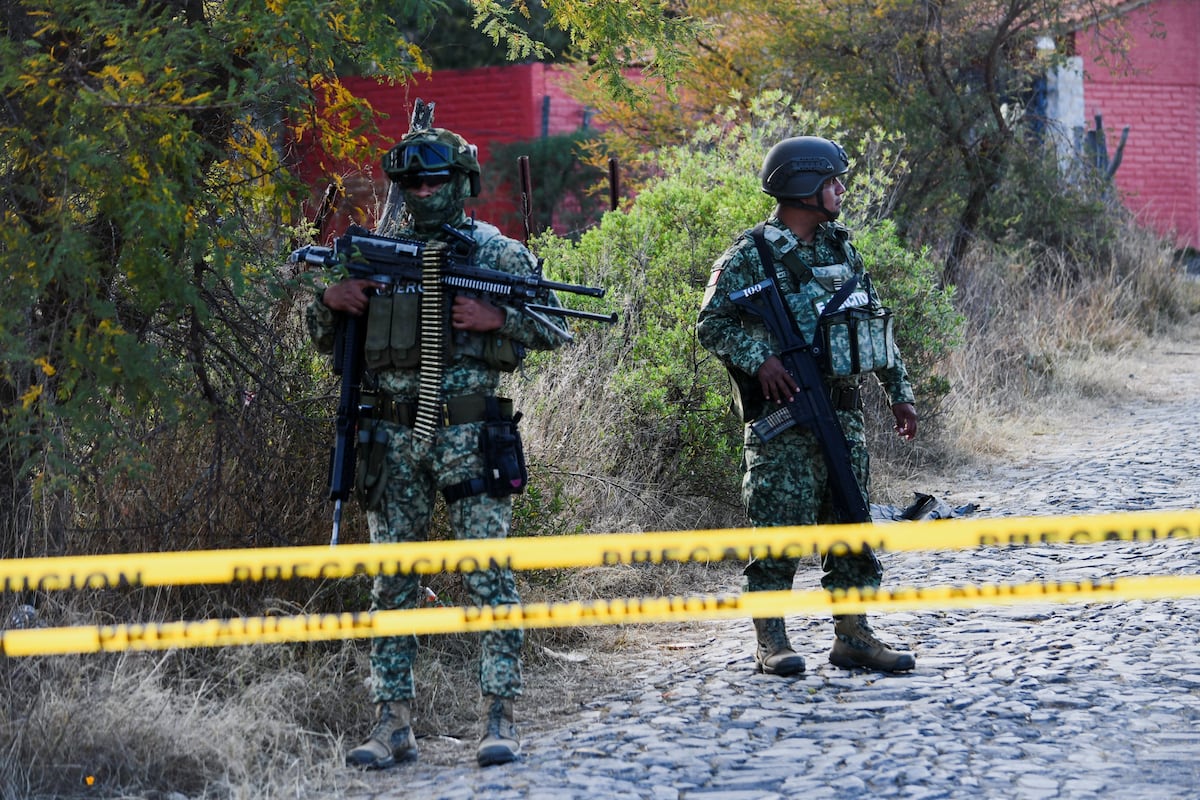
The recent escalation in violence stems from a large-scale operation by the Mexican government targeting El Mencho and the CJNG. Although Mexican authorities have not officially confirmed El Mencho’s death, reports circulated widely in the Mexican media and internationally, triggering a wave of retaliatory attacks and heightened security measures across Jalisco. The state government implemented a “red code” alert, deploying additional security forces and increasing patrols in response to the unrest. The situation has raised questions about the safety of players, fans, and officials during the World Cup, which is expected to draw significant international attention.
Security Concerns and FIFA’s Response
The security situation in Mexico has been a long-standing concern, even before the recent events. The country has struggled with cartel violence for years, and the CJNG is one of the most powerful and ruthless criminal organizations in Mexico. The cartel is known for its sophisticated operations, including drug trafficking, extortion, and violence against rival groups and government officials. The potential for disruptions to the World Cup, such as attacks on teams or fans, is a serious threat that FIFA and Mexican authorities must address.
Infantino acknowledged the challenges but emphasized the importance of having faith in the Mexican government’s ability to maintain order. “As in every country in the world, things happen. We don’t live on the moon or on another planet, things happen, that’s why we have states, police, authorities, who are going to ensure order and security,” he said. This sentiment reflects FIFA’s reliance on local authorities to provide a safe environment for the tournament. However, critics argue that FIFA needs to grab a more proactive role in assessing and mitigating the risks, rather than simply deferring to the Mexican government.
The Portuguese Football Federation’s hesitation regarding the March 28th friendly match against Mexico at Estadio Banorte in Monterrey highlights the growing anxieties surrounding security. While the federation has not officially canceled the match, it has reportedly put the decision on hold pending further assessment of the situation. This uncertainty underscores the potential for disruptions to the World Cup preparations and the need for swift and decisive action to address security concerns. The Estadio Banorte, with a capacity of over 51,000, is a key venue for the tournament.
Impact on the 2026 World Cup Preparations
Mexico’s role as a host nation for the 2026 World Cup is crucial to the tournament’s overall success. The country has a rich footballing tradition and a passionate fan base. Hosting matches in Mexico City, Monterrey, and Guadalajara is expected to generate significant economic benefits and boost tourism. However, the recent violence threatens to undermine these benefits and damage Mexico’s reputation as a safe and welcoming host nation.
The Mexican government has pledged to ensure the safety of the World Cup, deploying additional security forces to the host cities and implementing enhanced security measures at stadiums and other key venues. President Andrés Manuel López Obrador has stated that the government is committed to providing a secure environment for players, fans, and officials. However, the effectiveness of these measures remains to be seen, particularly in light of the CJNG’s continued presence and influence in Jalisco and other parts of the country.
The situation in Guadalajara is particularly sensitive, as the city is located in Jalisco, the state most affected by the recent violence. The CJNG has a strong foothold in Jalisco, and the cartel has been known to carry out attacks in broad daylight, even in urban areas. Ensuring the safety of fans and players traveling to and from Guadalajara will be a major challenge for Mexican authorities. The city’s infrastructure and security apparatus will be under intense scrutiny in the lead-up to the tournament.
International Response and Ongoing Monitoring
FIFA is closely monitoring the situation in Mexico and is in constant communication with Mexican authorities. The organization has stated that it is prepared to take additional measures to ensure the safety of the World Cup, if necessary. These measures could include increasing security personnel, implementing stricter screening procedures, and adjusting match schedules. FIFA has also indicated that it is working with international security experts to assess the risks and develop contingency plans.
The international community is also watching the situation in Mexico closely. Several countries have expressed concerns about the security situation and have urged Mexican authorities to take all necessary steps to ensure the safety of the World Cup. The United States and Canada, the other co-hosts of the tournament, have offered their support to Mexico and have pledged to work together to address any security challenges. The success of the 2026 World Cup depends on the cooperation and coordination of all three host nations.
Despite the challenges, Infantino remains optimistic about the prospects for a successful World Cup in Mexico. “The World Cup is going to be an incredible party,” he declared. However, realizing that vision will require a concerted effort from FIFA, the Mexican government, and international partners to address the security concerns and ensure the safety of all involved. The coming months will be critical in determining whether Mexico can overcome these challenges and deliver a memorable World Cup experience.
The Mexican government continues to conduct operations against the CJNG, and further developments are expected in the coming weeks. FIFA has scheduled a meeting with Mexican officials in early April to discuss security arrangements and assess the progress made in addressing the concerns. The outcome of that meeting will be a key indicator of whether the 2026 World Cup in Mexico will proceed as planned. The situation remains fluid, and ongoing monitoring and assessment will be essential to ensure the safety and success of the tournament.
Key Takeaways:
- FIFA President Gianni Infantino has expressed confidence in Mexico’s ability to host the 2026 World Cup despite recent violence.
- The violence is linked to operations against the Cartel Jalisco Nueva Generación (CJNG) and the reported death of its leader, El Mencho.
- Security concerns are particularly acute in Guadalajara, Jalisco, where the cartel has a strong presence.
- The Portuguese Football Federation has expressed concerns about a planned friendly match in Mexico, highlighting the growing anxieties surrounding security.
- FIFA is closely monitoring the situation and is prepared to take additional measures to ensure the safety of the tournament.
The next scheduled update from FIFA regarding security arrangements for the Mexico portion of the 2026 World Cup is expected following their meeting with Mexican officials in early April. Readers are encouraged to share their thoughts and concerns in the comments section below.