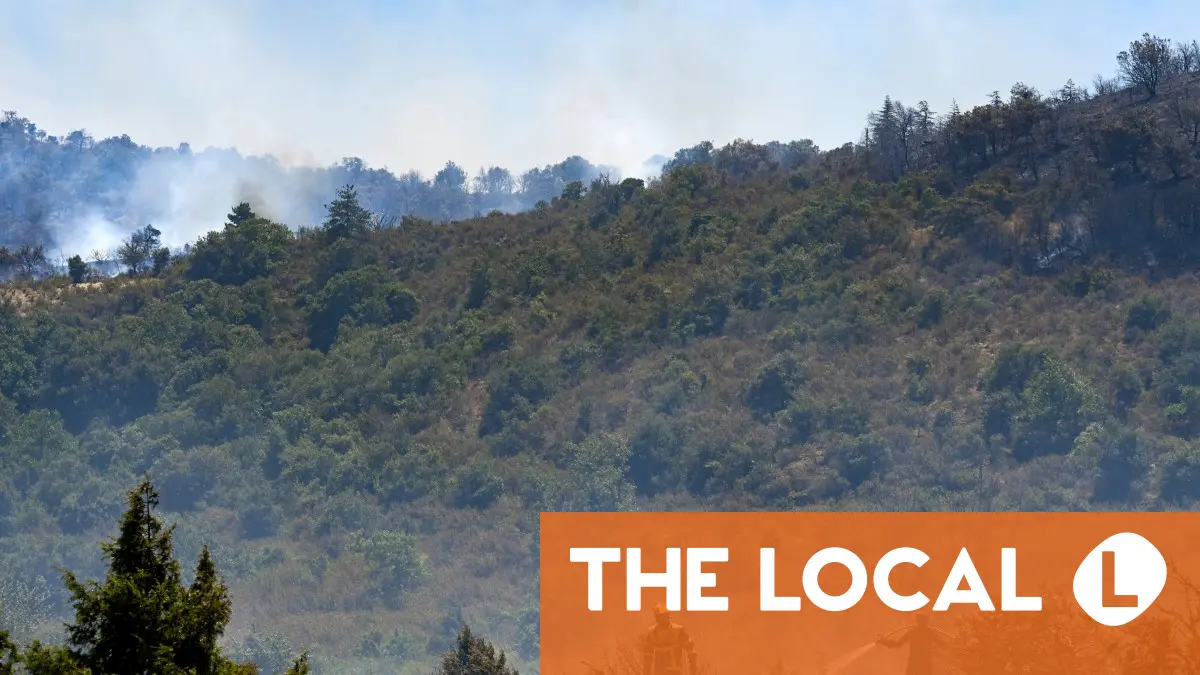
Firefighters in France, Spain, and Portugal are contending with a fresh wave of forest fires as extreme temperatures return to Southern Europe. Emergency crews are working to contain blazes that have been fueled by tinder-dry vegetation and shifting wind patterns, conditions that have become increasingly common across the Mediterranean basin during the summer months. According to local civil protection agencies, the combination of record-breaking heat and low humidity has created a volatile environment for fire propagation, stretching regional resources to their limits.
The current situation in Western Europe follows a series of heatwaves that have left landscapes parched and ecosystems vulnerable. In Portugal, the National Authority for Emergency and Civil Protection has reported that hundreds of personnel remain on high alert as they attempt to suppress active fronts in forested regions. Similar efforts are underway in Spain, where regional authorities have deployed aerial assets to combat wildfires in mountainous terrain, noting that the intensity of the fires is largely driven by sustained high temperatures that have persisted throughout the season.
In France, authorities have issued warnings regarding fire risk as temperatures climb once more. The French Ministry of the Interior has reiterated the importance of public compliance with fire bans and safety protocols, as human activity remains a significant factor in the ignition of wildfires in woodland areas. The European Forest Fire Information System (EFFIS), managed by the European Commission, continues to monitor the situation through satellite imagery, providing real-time data to national governments to assist in the allocation of firefighting resources. You can track official fire risk assessments and safety advisories through the European Forest Fire Information System portal.
Drivers of the Current Fire Season
The recurrence of forest infernos across the Iberian Peninsula and Southern France is largely attributed to the compounding effects of long-term drought and heat stress. Scientists from the Copernicus Climate Change Service have observed that soil moisture levels in these regions are significantly lower than the historical average for this time of year, leaving forests highly susceptible to ignition. These conditions, often described as “heatwave-scarred,” mean that even minor sparks can escalate into large-scale incidents within hours.

Beyond the immediate weather patterns, land management practices and rural depopulation play a role in the intensity of these events. In many mountainous regions of Spain and Portugal, the abandonment of traditional agriculture has led to an increase in biomass, which provides ample fuel for fires. The European Environment Agency highlights that such landscape changes, coupled with a warming climate, necessitate a shift toward more robust fire prevention strategies, including controlled burning and the creation of firebreaks near vulnerable communities.
Resource Allocation and Cross-Border Cooperation
Managing large-scale wildfires requires significant coordination between national and regional authorities. When fires cross administrative boundaries or exceed the capacity of local brigades, governments often activate the EU Civil Protection Mechanism. This framework allows member states to request and share specialized equipment, such as water-bombing aircraft and ground crews, to prevent the spread of fires into populated areas. The European Commission provides detailed documentation on how this solidarity mechanism functions during peak wildfire seasons on their official humanitarian aid website.

For residents and tourists in affected areas, the primary instruction from emergency services is to remain informed through local radio, official municipal apps, and social media channels maintained by civil defense departments. Authorities emphasize that the danger posed by smoke inhalation and shifting fire fronts is significant, and evacuation orders should be followed immediately if issued. As the region enters another period of high alert, local meteorology offices are expected to release updated temperature forecasts that will dictate the level of deployment for firefighting units in the coming days.
What Happens Next
The immediate outlook for the affected regions depends on the arrival of cooler temperatures and potential precipitation. While current forecasts indicate a continuation of high heat, emergency services are maintaining a defensive posture to prevent further loss of forest cover. Official status updates regarding containment levels and road closures are typically released by regional civil protection agencies at 12-hour intervals. Members of the public are encouraged to consult their local government websites for the most current information regarding safety zones and evacuation routes. We invite readers to share their experiences or report local conditions in the comments section below to help keep our global community informed.