Pakistan’s Inflation Surge: A Deep Dive into the October 2025 SPI report
The economic landscape of Pakistan is currently navigating a period of heightened inflation, with the latest Sensitive Price Index (SPI) report revealing a 4.07% year-on-year increase as of October 2, 2025. This marks the tenth consecutive week of upward inflationary pressure, primarily fueled by escalating food prices and petroleum costs. Understanding the nuances of this surge – it’s drivers, historical context, and potential future trajectory – is crucial for businesses, consumers, and policymakers alike. This article provides an in-depth analysis of the current situation,offering practical insights and a forward-looking outlook.
Understanding the Sensitive Price Index (SPI)
The SPI is a crucial economic indicator in Pakistan, meticulously tracking the average price changes of a basket of essential goods and services consumed by a specific segment of the population – typically, non-wage earners and low-income households. Unlike the Consumer Price Index (CPI), which measures price changes across a broader consumer base, the SPI focuses on items most susceptible to immediate price fluctuations, offering a more responsive gauge of short-term inflationary trends. This makes it particularly sensitive to supply shocks and seasonal variations.
Key Drivers of the October 2025 Inflation Spike
Several factors converged to drive the recent inflationary pressures. The most prominent include:
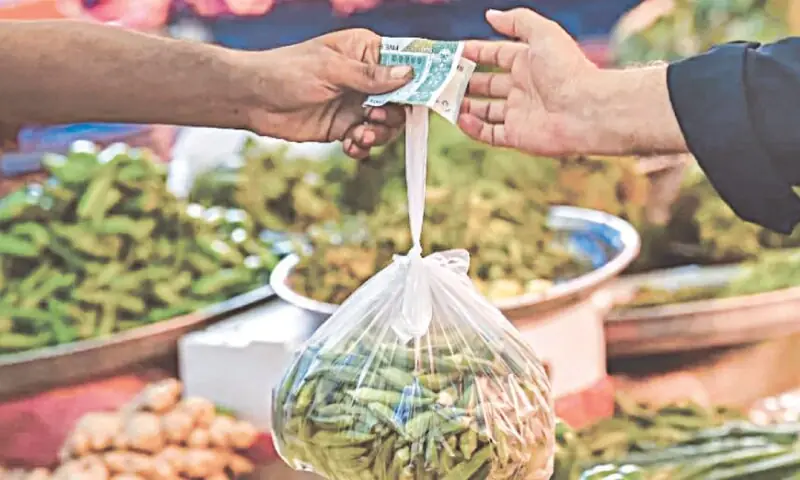
* Perishable Goods: A significant contributor was the surge in prices of perishable items, notably tomatoes, onions, and potatoes. Recent devastating floods across several agricultural regions severely disrupted supply chains, leading to scarcity and inflated prices. I witnessed firsthand, during a visit to a local sabzi mandi (vegetable market) in Islamabad, the dramatic price increases – tomatoes selling for upwards of PKR 200/kg, a 60% jump from the previous month.
* Petroleum Product Prices: Fluctuations in global oil prices directly impact Pakistan’s domestic fuel costs. Recent adjustments in petroleum levies and international market volatility contributed to the rise in transportation costs, cascading into higher prices for other goods.
* Sugar & Meat Prices: An extraordinary spike in the retail prices of sugar, reaching PKR 195-200 per kg, and meat, steadily increasing over the past few weeks, further exacerbated the inflationary trend. Reports suggest hoarding and speculative trading contributed to the sugar price hike.
* Base Effect: While the overall inflation rate is rising, it’s important to note the influence of the “base effect.” The high inflation rates experienced in early 2023 (peaking at 48.35% year-on-year in May 2023) create a higher base for comparison, potentially moderating the year-on-year increase.
Historical Context: A Rollercoaster Ride
Pakistan’s inflation history has been characterized by periods of stability and volatility. The sharp inflationary spike in early 2023 was triggered by a confluence of factors, including currency devaluation, rising global commodity prices (particularly energy), and supply chain disruptions. While inflation decelerated to 24.4% by late August 2023, the recent resurgence, exceeding 40% in mid-November 2023, signals a renewed challenge. This cyclical pattern highlights the vulnerability of the Pakistani economy to external shocks and domestic policy decisions.
Real-World Implications & Case Studies
The rising inflation impacts various sectors:
* Household Budgets: Families, particularly those with fixed incomes, are facing increased financial strain. A case study of a middle-class family in Lahore revealed that their monthly grocery bill increased by 15% in the last quarter, forcing them to cut back on non-essential spending.
* Small Businesses: Businesses reliant on imported raw materials are struggling with higher input costs, impacting their profitability. A local textile manufacturer reported a 10% increase in production costs due to rising
Keep reading