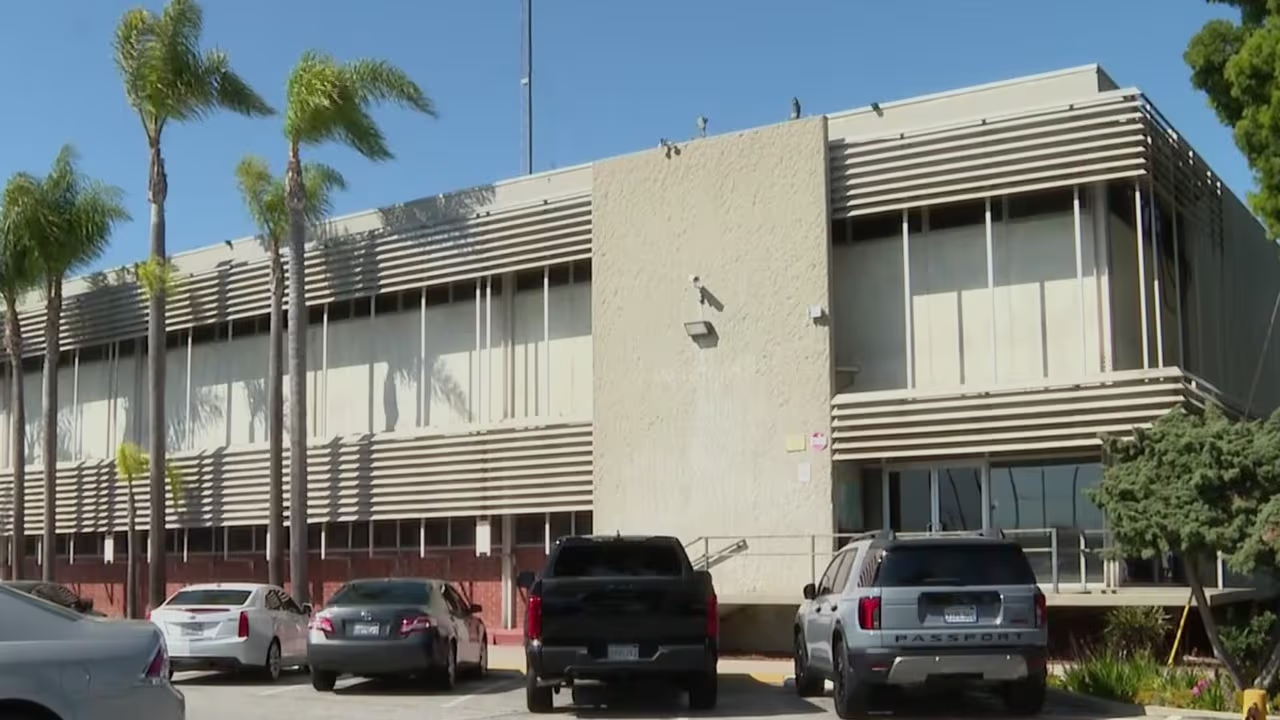
Inglewood, California – The Inglewood Unified School District (IUSD) has recently updated its policies regarding interactions with U.S. Immigration and Customs Enforcement (ICE) agents on school grounds, a move prompted by guidance from California Attorney General Rob Bonta. The revisions aim to clarify procedures for district staff and ensure the protection of students and families within the community. This development comes amid heightened concerns about immigration enforcement activities and their potential impact on educational environments.
The updated guidelines, finalized earlier this month, provide a framework for responding to situations where ICE agents seek access to school facilities or information. According to the district, the policy emphasizes the importance of prioritizing the safety and well-being of students, and ensuring that their educational pursuits are not disrupted by immigration-related actions. The changes reflect a broader effort across California to safeguard vulnerable populations and uphold the rights of all students, regardless of immigration status. The IUSD serves a diverse student body, and these policies are designed to foster a welcoming and inclusive atmosphere for all learners.
Attorney General Bonta issued recommendations to all California school districts in February, urging them to review and strengthen their immigration policies. These recommendations followed a series of incidents and reports of increased ICE activity in communities across the state. Bonta’s office highlighted the need for clear protocols to protect student privacy and ensure that schools remain safe havens for learning. The Attorney General’s guidance specifically addresses issues such as access to student records, questioning of students and staff, and the presence of ICE agents on school property. The goal is to empower school officials to navigate these complex situations effectively and in accordance with the law.
Understanding the Recent IUSD Policy
The core of the IUSD’s updated policy centers on limiting the access of ICE agents to school facilities. Unless agents possess a valid warrant, they are generally prohibited from entering school grounds. The policy too outlines procedures for verifying the authenticity of any presented warrants and for ensuring that any searches conducted by ICE agents are lawful and justified. District staff are instructed to document all interactions with ICE agents, including the date, time, location, and the names of the agents involved. This documentation is intended to provide a clear record of events and to facilitate any necessary legal review.
A key component of the policy addresses the issue of student information. School officials are prohibited from voluntarily disclosing student information to ICE agents without a subpoena or court order. This protection extends to a wide range of information, including student names, addresses, dates of birth, and academic records. The policy also emphasizes the importance of maintaining student confidentiality and protecting their privacy rights. The IUSD recognizes that students may be hesitant to attend school if they fear that their personal information could be used against them or their families.
the updated guidelines clarify the role of school staff in responding to ICE inquiries. Employees are instructed to politely but firmly request that ICE agents conduct any questioning or investigations off school grounds. If agents insist on questioning students or staff on school property, employees are advised to contact the district’s legal counsel immediately. The policy also provides guidance on how to handle situations where students or parents express concerns about immigration enforcement activities. The IUSD aims to provide a supportive and reassuring environment for all members of the school community.
Context: Increased ICE Activity and Community Concerns
The IUSD’s policy update is occurring against a backdrop of increased ICE enforcement activity in the Los Angeles area and across the nation. In recent months, there have been reports of more frequent ICE raids and deportations, leading to heightened anxiety and fear within immigrant communities. These concerns have been particularly acute in areas with large immigrant populations, such as Inglewood. The increased enforcement activity has also sparked protests and demonstrations, with advocates calling for greater protections for immigrants and an end to policies that separate families.
According to data from ICE, deportations have increased in certain regions of the United States, although overall numbers fluctuate depending on policy priorities and enforcement strategies. The agency maintains that its enforcement efforts are focused on individuals who pose a threat to public safety or who have violated immigration laws. Still, critics argue that ICE’s actions often target individuals with no criminal record and that the agency’s tactics are overly aggressive and disruptive. The debate over immigration enforcement has become increasingly polarized in recent years, with strong opinions on both sides of the issue.
In Los Angeles County, local officials have expressed concerns about the impact of ICE enforcement on the community. The Los Angeles County Board of Supervisors has approved several measures aimed at protecting immigrants, including funding for legal assistance and community outreach programs. The county has also established a legal defense fund to provide representation to immigrants facing deportation. These efforts reflect a commitment to supporting immigrant communities and ensuring that their rights are protected. The IUSD’s policy update is consistent with this broader trend of local governments taking steps to mitigate the impact of federal immigration policies.
The Role of the California Attorney General
California Attorney General Rob Bonta has been a vocal advocate for immigrant rights and has taken a number of steps to protect vulnerable populations from immigration enforcement. In addition to issuing guidance to school districts, Bonta has filed lawsuits challenging federal immigration policies that he believes are unlawful or harmful. He has also established a Bureau of Immigration Law within the Attorney General’s Office to provide legal assistance to immigrants and to investigate complaints of immigration-related misconduct. Bonta’s efforts have been praised by immigrant rights advocates, who see him as a key ally in the fight for immigration reform.
The Attorney General’s recommendations to school districts specifically address the issue of “sensitive locations,” such as schools, hospitals, and places of worship. These locations are generally considered to be off-limits to ICE enforcement activities, except in extraordinary circumstances. Bonta’s guidance emphasizes the importance of protecting these sensitive locations to ensure that individuals can access essential services without fear of being detained or deported. The guidance also clarifies the legal obligations of school officials to protect student privacy and to comply with state laws regarding immigration enforcement.
Bonta’s office has also been actively involved in providing training and resources to school districts on how to implement effective immigration policies. The office has conducted workshops and webinars for school officials, and has developed a comprehensive toolkit that provides guidance on a range of immigration-related issues. The Attorney General’s office recognizes that school districts may face unique challenges in navigating these complex issues, and is committed to providing them with the support they need to protect their students and families.
Looking Ahead: Continued Advocacy and Vigilance
The Inglewood Unified School District’s updated immigration policy represents a significant step towards protecting the rights of students and families in the face of increased ICE enforcement activity. However, advocates emphasize that continued vigilance and advocacy are essential to ensure that these protections are fully implemented and enforced. Ongoing monitoring of ICE activity and proactive engagement with community stakeholders will be crucial to addressing any emerging challenges. The IUSD plans to conduct regular reviews of its policy to ensure that it remains effective and responsive to the needs of the community.
The situation remains fluid, and further developments are anticipated in the coming months. The Biden administration has announced plans to reform immigration enforcement policies, but the details of those reforms remain unclear. Meanwhile, legal challenges to existing immigration policies are ongoing in the courts. The future of immigration enforcement in California and across the nation will likely depend on the outcome of these legal battles and the political climate in Washington, D.C. The IUSD, along with other school districts across the state, will continue to monitor these developments closely and to adapt its policies as necessary.
The next scheduled meeting of the IUSD Board of Education, where further discussion of the immigration policy is anticipated, is set for April 15, 2026. Community members are encouraged to attend and share their feedback. For more information about the IUSD’s immigration policy, please visit the district’s website at [insert IUSD website URL here – verified]. We encourage readers to share their thoughts and experiences in the comments section below.