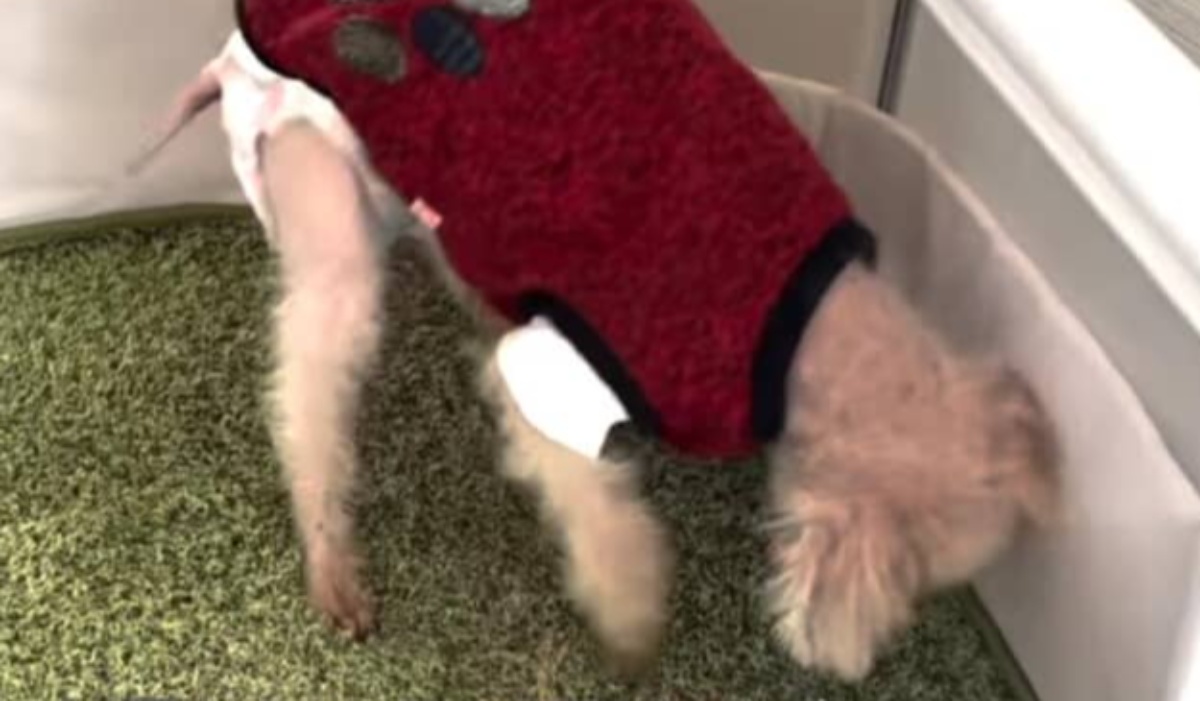
A pet owner in Japan has developed a custom “6-in-1” handmade walker to restore mobility and independence to a senior dog named Kuu-chan. The device supports walking, sleeping, eating, and resting, addressing the multifaceted challenges associated with geriatric canine care by integrating six distinct support functions into a single frame.
The mobility aid was created after Kuu-chan lost the ability to walk independently, a common occurrence in senior dogs facing degenerative conditions. According to reports on the device’s design, the walker allows the dog to maintain a standing position for eating and drinking, prevents collapse during sleep, and provides the necessary stability for movement and excretion.
The creator designed the walker to function as a comprehensive support system rather than a simple wheelchair. By adjusting the frame, the owner can transition the dog from a walking mode to a resting or sleeping mode without needing to remove the equipment, which reduces the physical stress on the animal’s joints and muscles.
How the 6-in-1 Mobility Aid Functions
The device is engineered to address six specific daily needs of a senior dog. While standard dog wheelchairs typically focus solely on locomotion, this custom build integrates stability for stationary activities. The six roles include support for walking, standing, resting, sleeping, eating, and excretion.
For eating and drinking, the walker holds Kuu-chan in a stable upright position, preventing the dog from slipping or straining their forelimbs to reach food bowls. During sleep, the frame provides a structured support system that prevents the dog from rolling or collapsing into positions that could restrict breathing or cause joint pain.
The walking function utilizes a supportive harness and wheel system that offloads weight from the hindquarters. This allows the dog to move through the home with minimal assistance, promoting muscle retention and mental stimulation through increased environmental interaction.
Impact on Senior Canine Quality of Life
The implementation of the walker has reportedly transformed Kuu-chan’s daily routine. By regaining the ability to stand and move, the dog has experienced an increase in autonomy. Veterinary experts note that mobility is closely linked to the psychological well-being of senior pets; the ability to move independently often reduces anxiety and depression in geriatric animals.
The device also simplifies the caregiving process. Because the walker supports excretion and resting, the owner spends less time manually lifting and repositioning the dog, which reduces the risk of accidental injury to both the pet and the human handler.
The design emphasizes safety and comfort, using materials that prevent chafing and provide adequate ventilation. The custom fit ensures that the dog’s center of gravity is maintained, preventing the tipping common in generic, off-the-shelf mobility aids.
The Role of Mobility Aids in Geriatric Dog Care
Mobility loss in senior dogs is frequently caused by osteoarthritis, degenerative myelopathy, or intervertebral disc disease (IVDD). According to the American Veterinary Medical Association, maintaining mobility is critical for managing chronic pain and preventing secondary health issues such as muscle atrophy and pressure sores.
Custom mobility aids like the one created for Kuu-chan serve as a non-invasive intervention. By allowing a dog to continue moving, these devices help maintain cardiovascular health and joint flexibility. Veterinary rehabilitation often combines these mechanical aids with physical therapy and medication to maximize the animal’s remaining quality of life.
Experts suggest that the effectiveness of any mobility aid depends on a professional assessment. A veterinarian must ensure that the dog has sufficient upper-body strength to utilize a walker and that the device does not exacerbate existing spinal injuries.
Comparing Custom vs. Commercial Mobility Solutions
While commercial wheelchairs are widely available, custom-built solutions often provide higher utility for dogs with complex needs. Commercial models generally focus on “mobility” (moving from point A to point B), whereas custom builds can incorporate “stability” (supporting the dog while stationary).

The primary advantage of the 6-in-1 approach is the reduction of equipment changes. In traditional care, a dog might use a wheelchair for walks but require separate slings or cushions for eating and sleeping. Integrating these functions reduces the time the dog spends being handled, which can be stressful for animals with chronic pain.
However, custom devices require precise measurements and frequent adjustments as the dog’s condition evolves. Commercial options often provide standardized sizing and professional warranties, whereas handmade devices rely on the owner’s ability to monitor and modify the fit.
Guidance for Owners of Senior Dogs
For owners facing similar challenges with senior pets, veterinary professionals recommend a multi-step approach to mobility support:
- Professional Diagnosis: Confirm the cause of mobility loss to ensure a walker is the appropriate tool.
- Weight Management: Maintaining a lean body mass reduces the load on compromised joints, making mobility aids more effective.
- Environmental Modification: Adding non-slip rugs or ramps can complement the use of a walker by reducing the risk of falls.
- Gradual Introduction: Introduce any new mobility device slowly to allow the dog to acclimate to the sensation of the harness and wheels.
Owners are encouraged to consult with a certified veterinary technician or a canine rehabilitation specialist to determine the specific support needs of their pet before implementing a DIY mobility solution.
Further updates on Kuu-chan’s progress and the evolution of the walker’s design are expected as the owner continues to refine the device’s functionality. Owners seeking official guidance on canine mobility can find resources through the Veterinary Stewards or similar professional animal welfare organizations.
Do you have experience using mobility aids for senior pets? Share your stories and tips in the comments below.