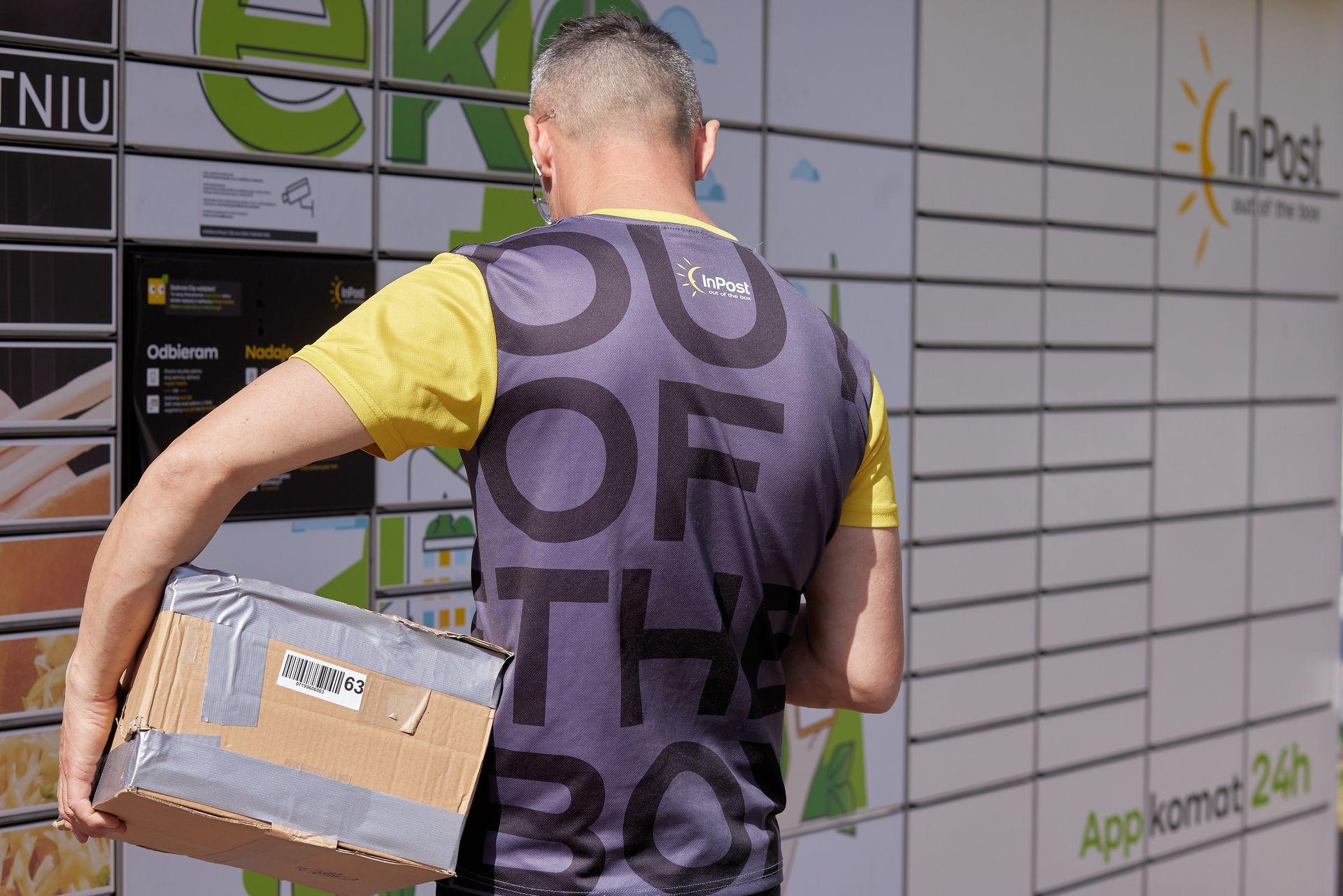
The landscape of parcel delivery in Poland, and increasingly across Europe, is undergoing a shift as InPost, a leading provider of automated parcel lockers, implements modern packaging guidelines. These changes, effective as of early 2026, aim to streamline the delivery process, enhance safety, and improve the overall customer experience. The updated rules cover everything from permissible package sizes and weight limits to acceptable packaging materials and prohibited items. For e-commerce businesses and individual senders alike, understanding these new regulations is crucial for ensuring smooth and cost-effective deliveries via InPost’s extensive network of Paczkomaty.
InPost’s Paczkomaty have rapidly become a preferred delivery option for many, offering convenience and flexibility. As of January 2024, the company boasted over 35,449 parcel lockers across Poland, surpassing the combined number of Żabka convenience stores and churches, according to recent data. This widespread availability, coupled with a growing consumer preference for parcel locker delivery – with 77% opting for Paczkomaty versus 50% for courier delivery to home and 24% to work, as indicated by a Gemius survey – underscores the importance of adapting to InPost’s evolving requirements. The changes are designed to optimize the use of these lockers and maintain the efficiency of the InPost network.
New Package Size and Weight Restrictions
InPost now offers five distinct package sizes, catering to a wider range of shipping needs. The smallest, Gabaryt XS, is limited to dimensions of 40 x 230 x 400 mm and a maximum weight of 3 kg. This size is exclusively available through the InPost Mobile application. Moving up in size, Gabaryt A accommodates packages up to 80 x 380 x 640 mm, whereas Gabaryt B allows for dimensions of up to 190 x 380 x 640 mm. Gabaryt C, a popular choice for many shipments, has a maximum size of 410 x 380 x 640 mm. Finally, Gabaryt D, the largest option, is reserved for courier shipments initiated through the Manager Paczek platform and can accommodate packages up to 500 x 500 x 800 mm.
These size restrictions are not merely suggestions; exceeding them can result in the package being rejected or incurring additional fees. Businesses, particularly those involved in e-commerce, must carefully review their packaging strategies to ensure compliance. The availability of the XS size exclusively through the mobile app highlights InPost’s push towards digital accessibility and streamlined processes.
Packaging Materials and Secure Sealing
Beyond size, InPost is also placing greater emphasis on the quality of packaging materials. For packages weighing up to 5 kg, the company recommends using two-layer cardboard with a density of at least 375 g/m². Heavier shipments, exceeding 20 kg, require more robust three-layer cardboard with a density exceeding 427 g/m². This requirement aims to protect the contents during transit and prevent damage. Selecting the appropriate cardboard grade is now a critical step in the packaging process.
Proper sealing is equally important. InPost mandates that all cartons be sealed using the “double H” method – applying tape in two strips forming the shape of the letter H – with tape at least 48 mm wide. This technique provides superior closure and prevents the package from opening during handling. Labels must be affixed to the top surface of the package, avoiding any folds or bends. For packages in foil pouches or tubes, the label should be placed on a flat surface or along the longer axis, respectively. Notably, InPost prohibits the use of glossy paper for printing labels, likely due to readability concerns during scanning.
Consolidated Shipments and Additional Fees
The practice of combining multiple items into a single package without an outer carton – often referred to as “sklejka” – is now subject to stricter regulations. InPost classifies such consolidated shipments as “non-standard” and applies an additional fee, as outlined in their current price list. Exceptions to this rule are limited to tires and dry pet food in bags weighing up to 20 kg. This change is intended to maintain the structural integrity of packages and prevent damage to the Paczkomat system.
Prohibited Items: A Comprehensive List
Perhaps the most significant changes relate to the list of prohibited items. InPost has implemented a comprehensive ban on several categories of goods, reflecting safety concerns and regulatory compliance. The company permits liquids, but only within a limited assortment and up to a maximum of 5 liters per package. However, aerosols and goods classified as dangerous goods (ADR) are strictly prohibited.
The list of banned items extends to include alcohol, tobacco products, e-cigarettes, pharmaceuticals, paints, varnishes, lubricants, car batteries, lithium-ion batteries, and televisions or monitors exceeding 28 inches in size. This expanded list underscores InPost’s commitment to safety and adherence to transportation regulations. Shippers are responsible for ensuring their packages comply with these restrictions, and non-compliance can result in rejection or confiscation of the shipment.
Impact on E-commerce and Logistics
These new regulations have significant implications for e-commerce businesses and logistics providers. Companies must invest in appropriate packaging materials, train staff on proper sealing techniques, and carefully review their product catalogs to ensure compliance with the prohibited items list. Failure to do so can lead to increased costs, delays, and potential damage to their reputation.
The changes also highlight the growing importance of understanding and adapting to the specific requirements of different delivery providers. As parcel delivery becomes increasingly complex, businesses must prioritize compliance and optimize their packaging and shipping processes to maintain efficiency and customer satisfaction. The InPost updates serve as a reminder that the rules of the game are constantly evolving in the dynamic world of e-commerce logistics.
Looking ahead, InPost is expected to continue refining its packaging guidelines and expanding its network of Paczkomaty. Businesses should stay informed about these developments and proactively adjust their strategies to remain competitive in the evolving landscape of parcel delivery. Regularly checking the official InPost website for updates and clarifications is highly recommended.
Do you have questions about the new InPost packaging rules? Share your thoughts and experiences in the comments below. And please share this article with your network to help others stay informed!
Keep reading