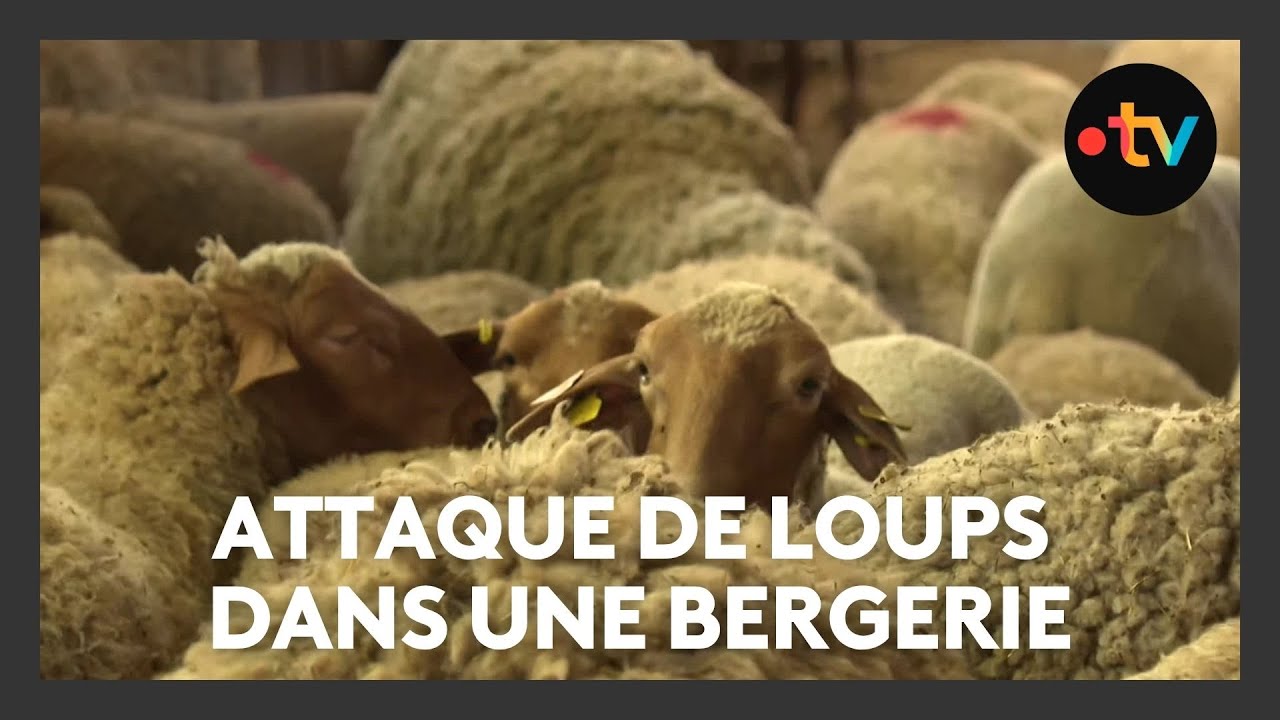
Local authorities in the Belgian province of Luxembourg have expressed concern regarding the safety of upcoming summer scout camps following a series of wolf attacks on livestock. Recent incidents in the municipalities of Léglise and Louftémont have resulted in the deaths of over 40 sheep, prompting mayors and agricultural representatives to call for heightened vigilance as youth organizations prepare for their seasonal encampments in the region.
The wolf, a protected species in Belgium under the Bern Convention and regional legislation, has been linked to the recent surge in predation. According to official data from the Walloon administration, the presence of wolves in the Ardennes has necessitated new protocols for livestock protection, though the proximity of these predators to areas traditionally used for children’s camps has introduced a new dimension to regional safety discussions.
Impact of Recent Predation on Local Agriculture
The agricultural community in the province of Luxembourg is currently grappling with the aftermath of multiple attacks. In Louftémont, a single incident resulted in the loss of 21 sheep, while a separate attack in Léglise left 26 animals dead. Farmers have described the financial and emotional toll as significant, noting that years of breeding and herd management were undone in a single night.

Regional authorities have confirmed that these losses are being investigated to determine if the same individual or pack is responsible. Under Walloon government regulations, farmers who suffer losses from wolf attacks are eligible for compensation, provided that the predation is officially verified by the Réseau Loup, a specialized monitoring body. The process requires an on-site inspection by experts to confirm the cause of death before financial aid can be processed.
Safety Considerations for Summer Scout Camps
The intersection of agricultural security and youth recreation has become a focal point for local government. Because scout camps frequently involve sleeping in tents in rural areas near forests and pastures, municipal officials in the affected communes have begun reviewing safety guidelines for organizers.
While there have been no reports of wolves approaching human campsites, the concern stems from the animals’ shifting behavior. The Federation of Scouts in Belgium has been working alongside local authorities to ensure that camp leaders are informed of best practices. These include keeping food waste securely stored, maintaining clean camp peripheries, and ensuring that any livestock enclosures near camping grounds are properly reinforced.
Experts from the Walloon Nature and Forest Department (DNF) advise that wolves are generally shy and avoid human contact. Nevertheless, the DNF maintains a resource portal for the public and organizers to report sightings and receive up-to-date guidance on cohabitation in areas where wolves have been detected. Organizers of summer camps are encouraged to consult their local municipal administration to understand the specific wildlife management measures in place for their chosen site.
Regional Policy and Future Monitoring
The debate over wolf management in Belgium remains a subject of intense political discussion. The return of the wolf to the wild has been met with both environmental support and agricultural resistance. Current policies focus on the “prevention of damage” rather than the removal of the animals, emphasizing the installation of electric fencing and the use of guard dogs for livestock protection.

As the summer season approaches, the Walloon government is expected to continue monitoring the wolf population through camera traps and DNA analysis of hair and scat samples. These scientific tracking methods are essential for determining the movement patterns of the predators and providing accurate information to residents and visitors.
Future updates regarding the safety of rural activities will be published via the official Walloon biodiversity website. Residents and camp organizers are encouraged to monitor these official channels for any changes to regional safety advisories or new reports of wolf activity in the Ardennes. Readers are invited to share their thoughts on the balance between wildlife conservation and rural security in the comments section below.