
For decades, the decline of global insect populations has been framed primarily as an ecological crisis—a loss of biodiversity that threatens the balance of our natural world. However, new evidence suggests that this environmental shift is translating directly into a human health crisis. The disappearance of the smallest members of our ecosystem is no longer just a concern for biologists. it is becoming a critical issue for public health and global food security.
In a landmark study published May 6 in the journal Nature, researchers have for the first time quantified the direct impact of insect pollinator declines and malnutrition. By bridging the gap between entomology and epidemiology, the study reveals a stark correlation: as wild pollinator populations dwindle, the dietary health and economic stability of the humans who depend on them collapse in tandem.
The research highlights a precarious dependency. In regions where farming is localized and subsistence-based, the health of the soil and the abundance of bees, butterflies, and other pollinators are the primary determinants of what ends up on the dinner table. When these pollinators vanish, the resulting gap in nutrient intake creates a ripple effect that can permanently alter the developmental trajectory of an entire generation.
Quantifying the Link: The Nepal Study
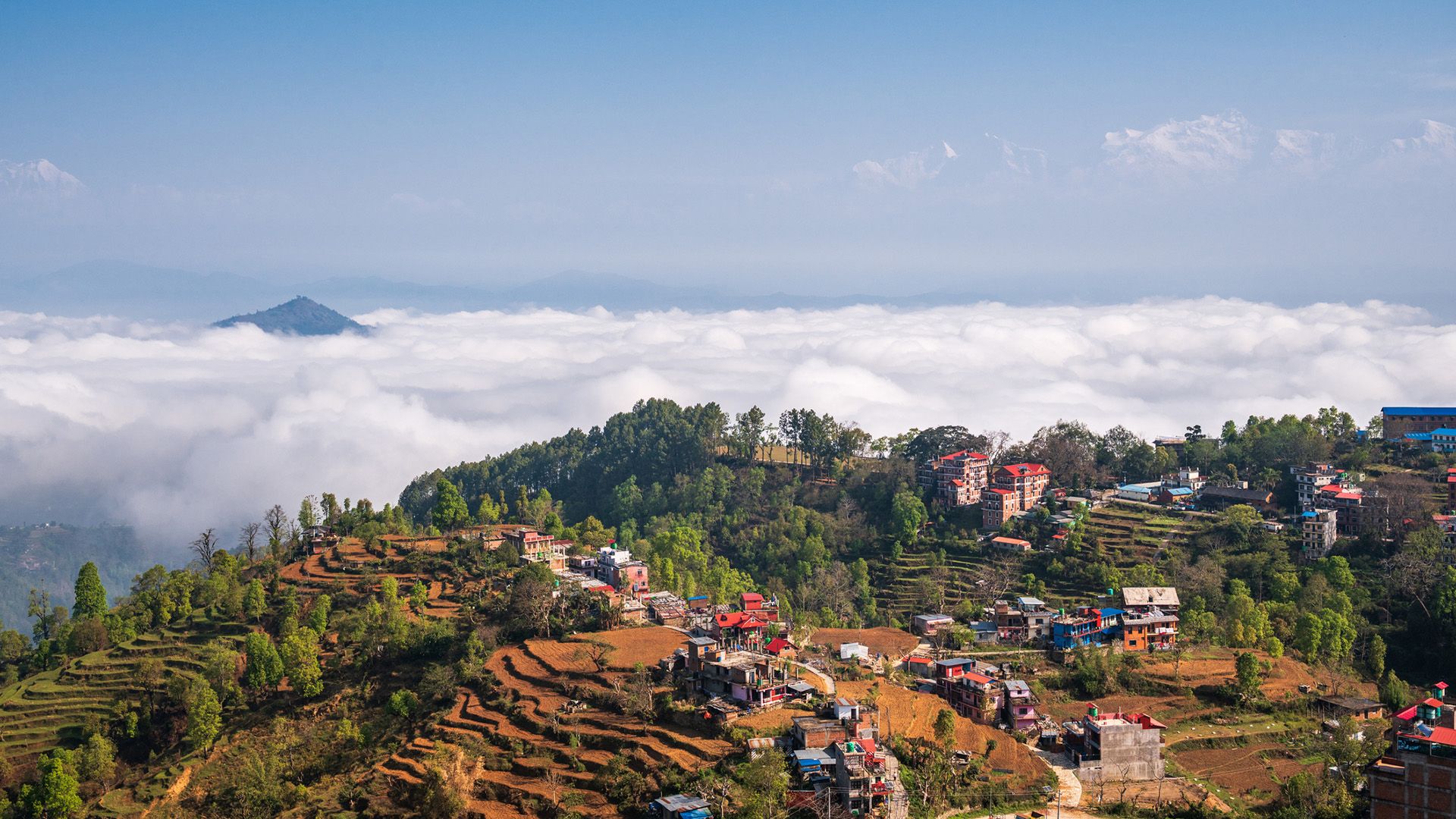
To move beyond theoretical risks, scientists conducted a rigorous, year-long investigation across 10 farming villages in Nepal. The choice of location was strategic; in these settlements, the majority of the food consumed is grown on-site, making the community highly sensitive to local environmental changes and providing a clear window into the relationship between pollinator abundance and human diet.
The research team employed a meticulous monitoring process, conducting pollinator surveys every two weeks. These surveys tracked which specific insects were visiting which crops and in what quantities. This ecological data was then correlated with the villagers’ crop yields and recorded instances of malnutrition within the community.
The results provided a concrete measurement of how biological loss converts into human deprivation. The study found that insect pollinators were responsible for an estimated 44% of the villagers’ farming income. This economic dependency creates a dangerous vulnerability: when pollinator diversity drops, the financial means to purchase supplementary food also diminish, trapping farmers in a cycle of poverty and poor health.
The Nutritional Gap: Beyond Calories
Food security is often measured by caloric intake—whether a person has enough to eat. However, this study shifts the focus to nutritional security. The researchers discovered that insect pollinators were responsible for over 20% of the villagers’ intake of several essential nutrients, specifically vitamin A, vitamin E, and folate. These are not merely supplements but fundamental building blocks for human health.
From a clinical perspective, the loss of these specific nutrients is devastating. Vitamin A is critical for maintaining immune function and vision; vitamin E serves as a powerful antioxidant protecting cell membranes; and folate is essential for DNA synthesis and cellular division. When the pollinator-dependent vegetables, legumes, and fruits that provide these nutrients disappear from the local harvest, the body begins to suffer from “hidden hunger”—a state where a person may feel full but is biologically starving for micronutrients.
The study observed a direct trend: as fewer and less-diverse pollinators visited the crops, the dietary health of the residents declined. This suggests that a variety of pollinator species is just as important as the total number of insects; different crops require different pollinators, and the loss of a single species can eliminate a specific nutrient source from the local diet.
The Human Cost: Stunting and Child Development
Perhaps the most harrowing finding of the research is the impact on the youngest and most vulnerable members of these communities. The study revealed that over half of the children in the surveyed group were too short for their age, a clinical indicator known as stunting.
Stunting is not merely a matter of height; it is a marker of chronic malnutrition that can lead to irreversible cognitive impairment and physical deficits. According to Naomi Saville, a researcher at the University College London Institute for Global Health and a study co-author, this trend is “largely driven by poor diets that depend upon insect pollinated vegetables, legumes and fruits.”
When children lack access to the micronutrients provided by pollinator-dependent crops during their critical growth windows, the biological damage is often permanent. This creates a generational health deficit, where the “insect apocalypse” manifests as a failure to thrive in human children.
Why This Matters for Global Health
While the study focused on Nepalese villages, the implications are global. The vulnerability seen in Nepal is a blueprint for what could happen in other regions relying on subsistence agriculture. As wild pollinator populations fluctuate due to climate change, pesticide use, and habitat loss, the risk of nutrient-deficiency diseases increases.

The findings in Nature underscore that pollinator conservation is not just an “environmental” goal—it is a public health mandate. Protecting bees and other wild insects is a direct intervention against malnutrition and childhood stunting. Without a stable population of pollinators, the world’s most vulnerable populations lose their most reliable source of essential vitamins.
Key Takeaways: Pollinators and Public Health
- Economic Impact: In the studied regions, pollinators accounted for approximately 44% of farming income.
- Nutritional Dependence: Over 20% of essential nutrients, including folate, vitamin A, and vitamin E, were linked to insect pollination.
- Developmental Risk: More than 50% of children in the study exhibited stunting due to diets lacking pollinator-dependent produce.
- Direct Correlation: A decrease in pollinator diversity directly corresponds to a decline in both income and dietary health.
Moving Forward: Integrating Ecology and Medicine
The quantification of this link marks a shift in how we must approach food security. We can no longer view agriculture as a purely industrial or chemical challenge; it is a biological partnership. To combat malnutrition in the developing world, health policy must integrate with environmental policy.
Efforts to restore pollinator habitats, reduce harmful pesticide runoff, and encourage the planting of diverse, pollinator-friendly crops are, in effect, nutritional interventions. By stabilizing the insect populations that sustain our crops, we can protect the micronutrient intake of millions of people and prevent the permanent developmental damage associated with childhood stunting.
The next critical step will be to determine if similar correlations exist in other geographic regions and to identify which specific pollinator species are most vital for the delivery of key nutrients. This data will allow health organizations and governments to prioritize the conservation of specific insects to safeguard human health.
World Today Journal will continue to monitor the release of further data regarding the intersection of biodiversity loss and global health. We encourage our readers to share this article to raise awareness about the critical link between our environment and our nutrition.
Join the conversation: Do you believe environmental conservation should be integrated into national health policies? Let us know in the comments below.