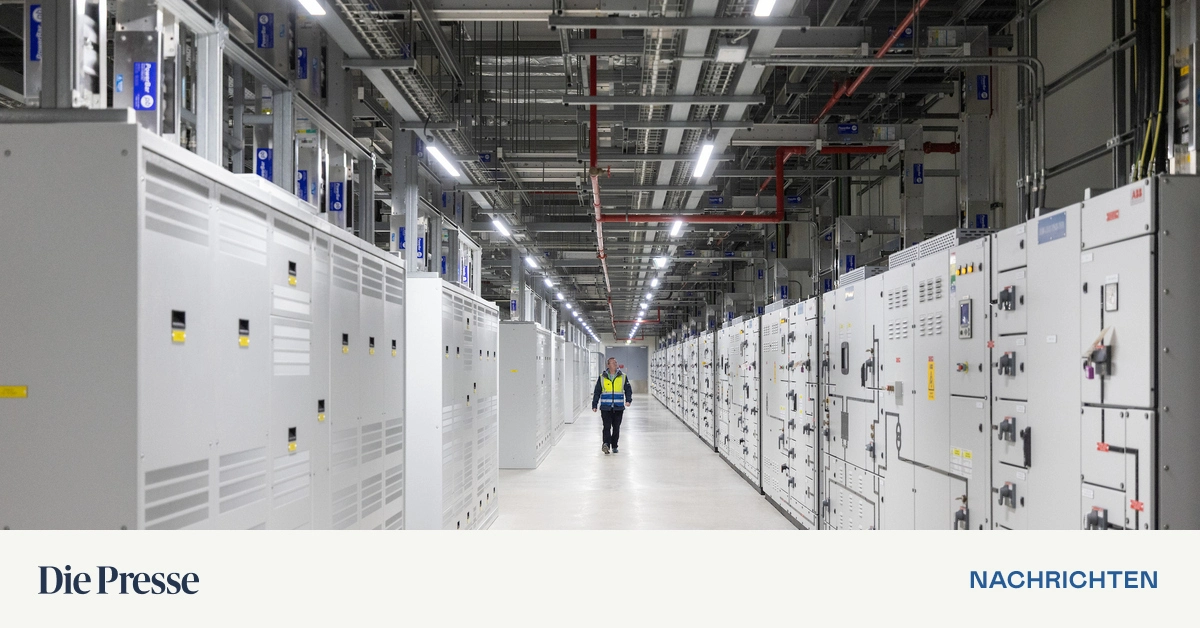
When Microsoft first established operations in Ireland decades ago, the focus was on manufacturing CD-ROMs. Today, the tech giant operates one of its largest and oldest data center campuses in Europe, located in Grange Castle, Dublin. This facility forms a critical part of the company’s global infrastructure, storing and processing vast volumes of data from businesses and individual users across the continent.
The scale and sophistication of the operation have grown significantly over the years, transforming what was once a modest industrial site into a high-performance hub for digital services. Yet despite its technological prominence, the physical appearance of the data center is deliberately understated. Visitors expecting flashing lights or futuristic command centers often discover the reality more subdued—though no less impressive in terms of engineering and operational rigor.
Access to the facility is tightly controlled, reflecting the sensitivity of the information housed within. Before entry, individuals must navigate multiple layers of security: barriers, surveillance cameras, biometric scanners, airlocks, and trained security personnel. These protocols are not merely procedural; they are enforced with the precision of an airport security checkpoint, requiring strict adherence to hundreds of pages of guidelines, safety notices, and access requirements.
Even seemingly minor details are regulated—visitors must wear sturdy footwear, and the carrying of electronic devices such as USB drives is strictly prohibited. According to reports, Microsoft’s approach to security in Dublin stems from the necessity to protect a diverse range of data, from personal photos uploaded by individual users to confidential corporate information from multinational enterprises.
The company does not disclose exactly which clients or types of data are stored at any given server, maintaining a policy of confidentiality that is standard across the industry. This discretion extends to the physical layout and operational specifics of the campus, which remain largely unseen by the public despite its strategic importance.
Located in the industrial zone of Ireland’s capital, the data center’s footprint is difficult to grasp from a distance. Successive buildings stretch across the site, each contributing to the immense computational capacity required to support cloud services like Azure, Microsoft 365, and enterprise-scale AI workloads. The location was chosen not only for its connectivity and climate advantages but also for its proximity to a skilled workforce and established infrastructure.
As demand for cloud computing continues to rise globally, so too does the consumption of energy and water by data centers such as this one. Microsoft has acknowledged these resource demands and tied its Dublin operations to broader sustainability goals, including efforts to become carbon negative, water positive, and zero waste across its global operations by 2030.
In line with these commitments, the company has pursued innovative projects in Ireland, including a pilot program using green hydrogen in collaboration with ESB, Ireland’s electric utility. This initiative aims to explore clean energy alternatives for powering data center operations, potentially reducing reliance on fossil fuels.
Microsoft has invested in local workforce development through partnerships with educational institutions. Programs at Collinstown Park Community College, for example, offer training designed to prepare individuals for careers in data center operations and support, helping to build a local talent pipeline aligned with the facility’s ongoing needs.
The company also maintains a public outreach component through its Datacenter Community Pledge, which emphasizes transparency, environmental stewardship, and community engagement. Residents and stakeholders can direct inquiries to a dedicated email address, and Microsoft regularly shares updates on projects such as the planned expansion into County Kildare.
Whereas the inner workings of such facilities remain largely invisible to everyday users, their role in enabling modern digital life is fundamental. From streaming video and online collaboration to artificial intelligence model training and financial transactions, the data processed in places like Grange Castle underpins much of the digital experience.
As the global demand for cloud infrastructure shows no signs of slowing, facilities like Microsoft’s Dublin campus will continue to evolve—not just in scale, but in how they balance performance, security, and sustainability. For now, the site remains a quiet but powerful engine of the digital age, operating behind unassuming walls while enabling some of the most advanced technologies in utilize today.
For the latest updates on Microsoft’s data center operations in Ireland, including sustainability initiatives and community programs, visit the official Microsoft Ireland Datacenter Community page.
We welcome your thoughts and experiences with cloud technology and data infrastructure. Share your perspective in the comments below, and help spread awareness by sharing this article with others interested in the foundations of the digital world.