
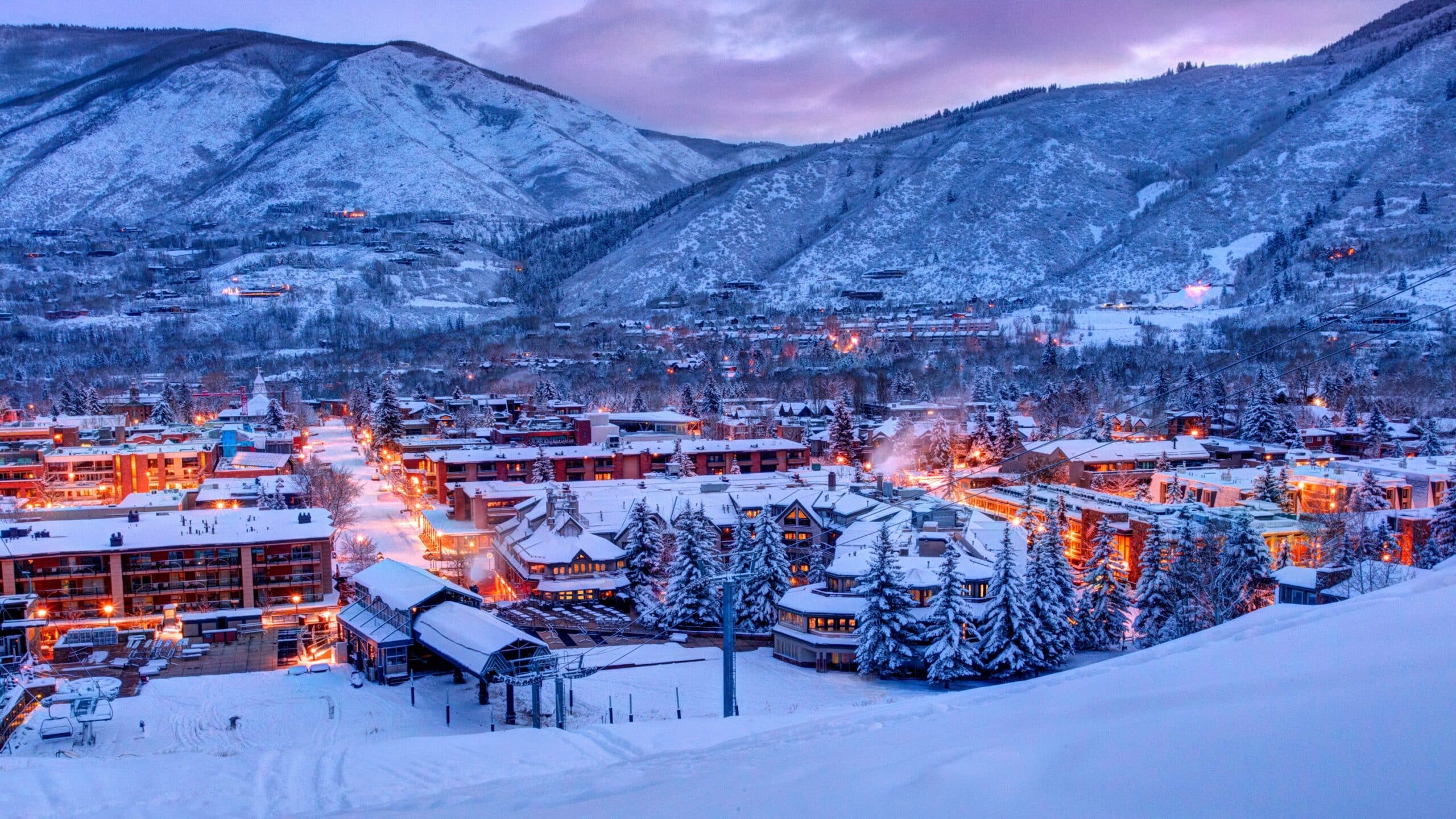
The Aspen Art Fair has established itself as a significant destination for international collectors, blending a remote, high-altitude setting with a curated, boutique approach to the art market. By leveraging the unique atmosphere of the Colorado mountains and integrating with the local cultural infrastructure, the event has grown from 21 dealers at its inaugural edition to 38 international galleries this year. The fair’s format, which distributes exhibitors between the Hotel Jerome’s historic rooms and a fluid ballroom setup, emphasizes a navigable, intimate experience designed to foster direct relationships between dealers and high-net-worth individuals.
The fair’s expansion reflects a broader strategy to solidify Aspen as a year-round hub for the arts, rather than just a seasonal ski resort. This strategy relies on the synergy between the commercial fair and institutional pillars like the Aspen Art Museum, which hosts the artist-first ArtCrush charity gala and auction.
Market Dynamics and Collector Engagement
The Aspen Art Fair differentiates itself from other boutique hotel-based events by maintaining a balance between the casual, resort-like feel of the Hotel Jerome and the professional standards of a traditional art fair. Bob Chase, the owner of Hexton Gallery and a longtime Aspen resident, notes that the remote nature of the town is a strategic asset. By requiring visitors to travel to the mountains, the fair effectively changes the mindset of collectors, moving them away from the fast-paced, city-centric pressures of urban art hubs like New York or Los Angeles.
Sales figures from the most recent edition indicate a strong appetite for works that engage with nature, materiality, and the Light and Space movement. Hexton Gallery reported more than $400,000 in sales during the opening days, featuring works by Larry Poons and Ernesto Burgos. Similarly, Marianne Boesky Gallery reported total sales exceeding $350,000, including the placement of a Sanford Biggers work for $135,000. These transactions suggest that the fair’s intimate setting allows for the kind of deliberate, long-form discussion that often precedes high-value acquisitions.
Curatorial Focus and Artistic Dialogue
The curatorial direction of the fair leans heavily into themes of environment and memory. Exhibitors have responded to the local landscape by bringing works that explore the relationship between human presence and the natural world. For instance, London-based Cadogan gallery presented metaphysical compositions by Ramon Enrich, which focus on architecture suspended in light and space, alongside atmospheric landscape reconstructions by British painter Deborah Tarr. These works, priced between $9,000 and $60,000, resonated with a local audience accustomed to the area’s distinct meteorological tempo.
The fair also serves as a platform for international cultural exchange. The collaboration between Mexico City’s Proyectos Monclova and Havana’s El Apartamento highlighted the fair’s ability to create dialogues between different global markets. By pairing totem-like sculptures by established Cuban artist José Bedia with the work of contemporary Mexican artists, the booth provided a cross-border perspective that is increasingly sought after by international collectors.
Institutional Synergy and the Future of the Fair
The success of the Aspen Art Fair is inextricably linked to the town’s broader cultural infrastructure. The involvement of the Anderson Ranch Arts Center, which offers experimental programming and residencies, provides a depth of engagement that many other fairs lack.
As the fair looks toward future editions, the focus remains on sustainable growth and maintaining the “contained and navigable” atmosphere that defines its identity. The organic overlap between Aspen’s collector base and other major art markets, such as Texas, suggests that the fair will continue to attract high-caliber galleries looking to build long-term relationships in a setting that offers both aesthetic inspiration and economic opportunity. The next major touchpoint for the local art community will be the ongoing institutional programming and the planning for the next fair cycle, which will continue to track the evolving relationship between the town’s luxury real estate market and its growing status as a global art destination.
Readers interested in the latest updates on the Aspen art scene or official announcements regarding future exhibition dates can find information through the Aspen Art Museum or by monitoring official local cultural calendars.
Keep reading