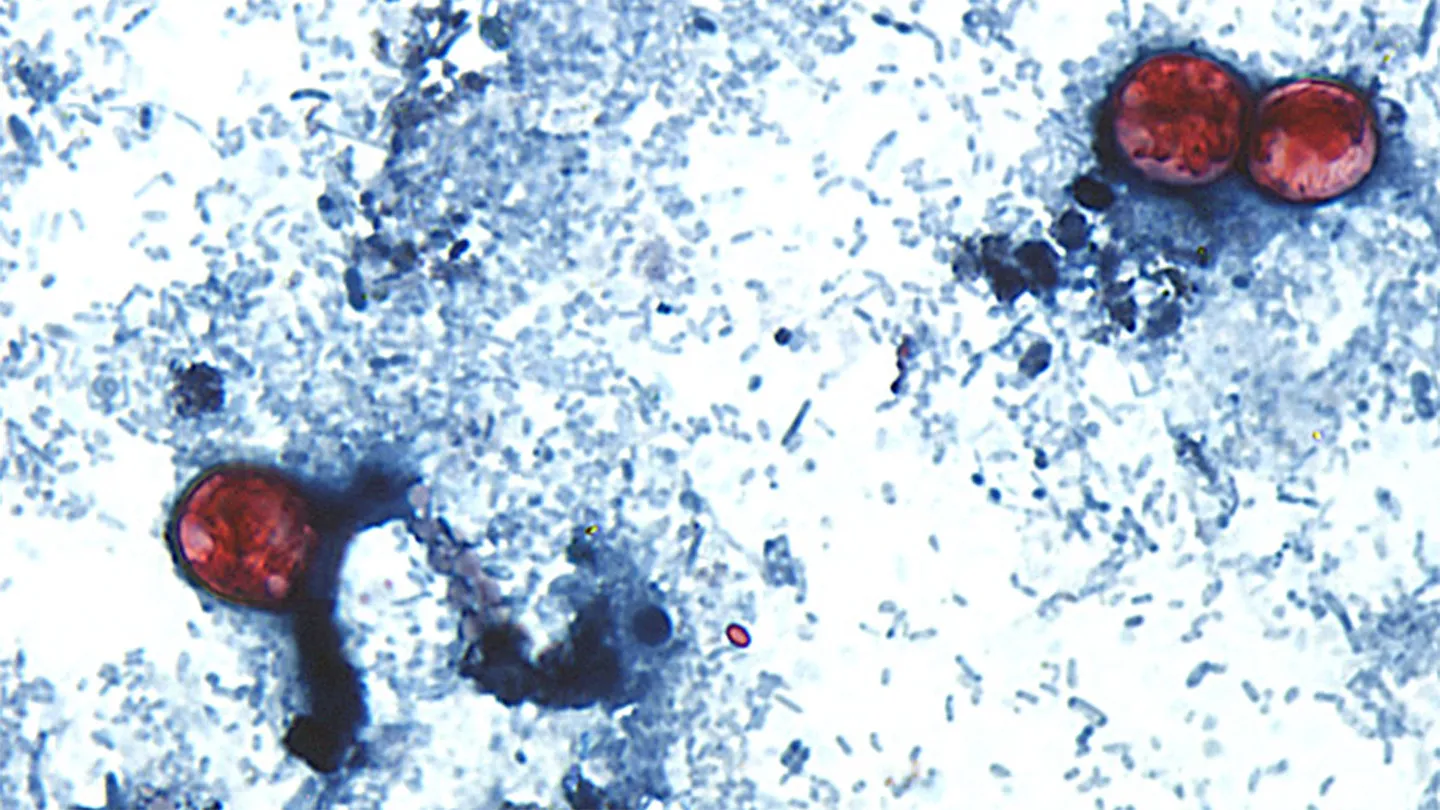
Public health officials are actively tracking outbreaks of cyclosporiasis, an intestinal infection caused by the microscopic parasite Cyclospora cayetanensis. The parasite, which typically spreads through the consumption of contaminated fresh produce, causes a distinct form of gastrointestinal distress characterized by frequent, explosive diarrhea and severe abdominal cramping. According to the Centers for Disease Control and Prevention (CDC), managing these outbreaks remains a complex challenge for investigators due to the parasite’s long incubation period and the intricate nature of global food supply chains.
As an editor specializing in infectious diseases, I have observed that cyclosporiasis cases often surface in seasonal clusters during the warmer months. Identifying the specific source of an outbreak requires extensive epidemiological tracing, as patients may not recall every food item consumed in the two weeks prior to becoming ill. Unlike some bacterial pathogens that cause rapid symptom onset, Cyclospora presents a diagnostic hurdle because the time between ingestion and the first sign of illness—the incubation period—typically ranges from two to 14 days, with a median of seven days, as noted in CDC clinical guidance.
Understanding the Parasite Transmission Cycle
Cyclospora cayetanensis is not transmitted directly from person to person. Instead, the parasite must undergo a maturation process in the environment to become infectious. When an infected individual sheds the parasite in their stool, it is not immediately capable of causing disease in others. It requires days or weeks in favorable environmental conditions to sporulate, or develop into an infective state. Consequently, outbreaks are almost exclusively linked to the ingestion of food or water contaminated with oocysts—the hardy, egg-like stage of the parasite.
In the United States, historical data from the U.S. Food and Drug Administration (FDA) indicates that fresh produce items, particularly imported leafy greens, fresh herbs like cilantro and basil, and berries, are frequent vehicles for transmission. Because these items are often consumed raw, there is no “kill step”—such as cooking—to eliminate the parasite before it reaches the consumer. The FDA works alongside state and local health departments to conduct traceback investigations, which involve analyzing supply chain records to pinpoint common points of origin for the contaminated produce.
Clinical Presentation and Diagnosis
The primary symptom of cyclosporiasis is watery, explosive diarrhea, which is often accompanied by loss of appetite, significant weight loss, fatigue, and bloating. While the symptoms are debilitating, they are generally self-limiting in healthy individuals. However, the duration of the illness can be prolonged—lasting weeks or even months if left untreated—leading to significant dehydration and nutritional deficits.
Diagnosis is not as straightforward as it is for many common foodborne pathogens. Standard stool cultures for bacteria like Salmonella or E. coli will not detect Cyclospora. Clinicians must specifically request an “Ova and Parasite” exam, and even then, the parasite can be difficult to visualize under a microscope. According to the CDC’s diagnostic resources for healthcare providers, molecular testing methods, such as Polymerase Chain Reaction (PCR) panels, have become the preferred diagnostic tool because they offer higher sensitivity and faster turnaround times compared to traditional microscopy.
Challenges in Outbreak Containment
Containing the spread of Cyclospora is inherently difficult for several reasons. The primary obstacle is the time lag between exposure and illness. By the time a cluster of cases is identified and reported to public health authorities, the contaminated produce is often already off the shelves or has been consumed. Furthermore, the parasite’s environmental resilience means that it can persist in soil or water sources, potentially contaminating successive harvests if agricultural practices are not strictly managed.
Public health experts emphasize that prevention relies on rigorous adherence to the FDA’s Produce Safety Rule, which establishes science-based minimum standards for the safe growing, harvesting, packing, and holding of fruits and vegetables. This includes managing water quality, monitoring the use of biological soil amendments, and ensuring worker hygiene. Despite these regulations, the global nature of the food supply means that produce is frequently imported from regions where environmental conditions or infrastructure may heighten the risk of contamination.
Preventative Measures and Consumer Safety
For the general public, the most effective defense against Cyclospora is consistent food hygiene. While washing produce is a standard recommendation to remove dirt and surface bacteria, it is important to note that it may not be entirely effective at removing Cyclospora oocysts, which can adhere firmly to the surfaces of leaves and berries. Thorough washing under running water is still encouraged, but it should be viewed as a risk-reduction measure rather than a guarantee of safety.
Consumers are encouraged to stay informed by monitoring official alerts. The FDA’s Outbreak Investigation Table provides the most current information regarding ongoing foodborne illness investigations, including those involving Cyclospora. If you experience persistent diarrhea, particularly after consuming fresh produce, it is critical to consult with a healthcare professional and provide a detailed history of your food consumption, as this data is vital for public health investigators working to identify and stop potential sources of infection.
The next official update regarding seasonal foodborne illness trends is expected from the CDC’s Morbidity and Mortality Weekly Report (MMWR) series, which regularly publishes summaries of multi-state outbreak investigations. Please share this information with your community to ensure awareness of food safety protocols. We welcome your questions and experiences in the comments section below.