
Owners of vintage vehicles in Germany often seek specialized insurance policies to manage the distinct risks associated with maintaining classic cars. According to the Allgemeiner Deutscher Automobil-Club (ADAC), the primary prerequisite for securing a classic car insurance policy is typically that the vehicle must be at least 30 years old and maintained in a condition reflecting its historical value. While the “H-Kennzeichen” (historical license plate) is a common visual indicator of a vehicle’s status, insurance providers often require additional criteria, such as a minimum vehicle value or proof of a daily driver being available for everyday use.
Defining Historical Status and Insurance Eligibility
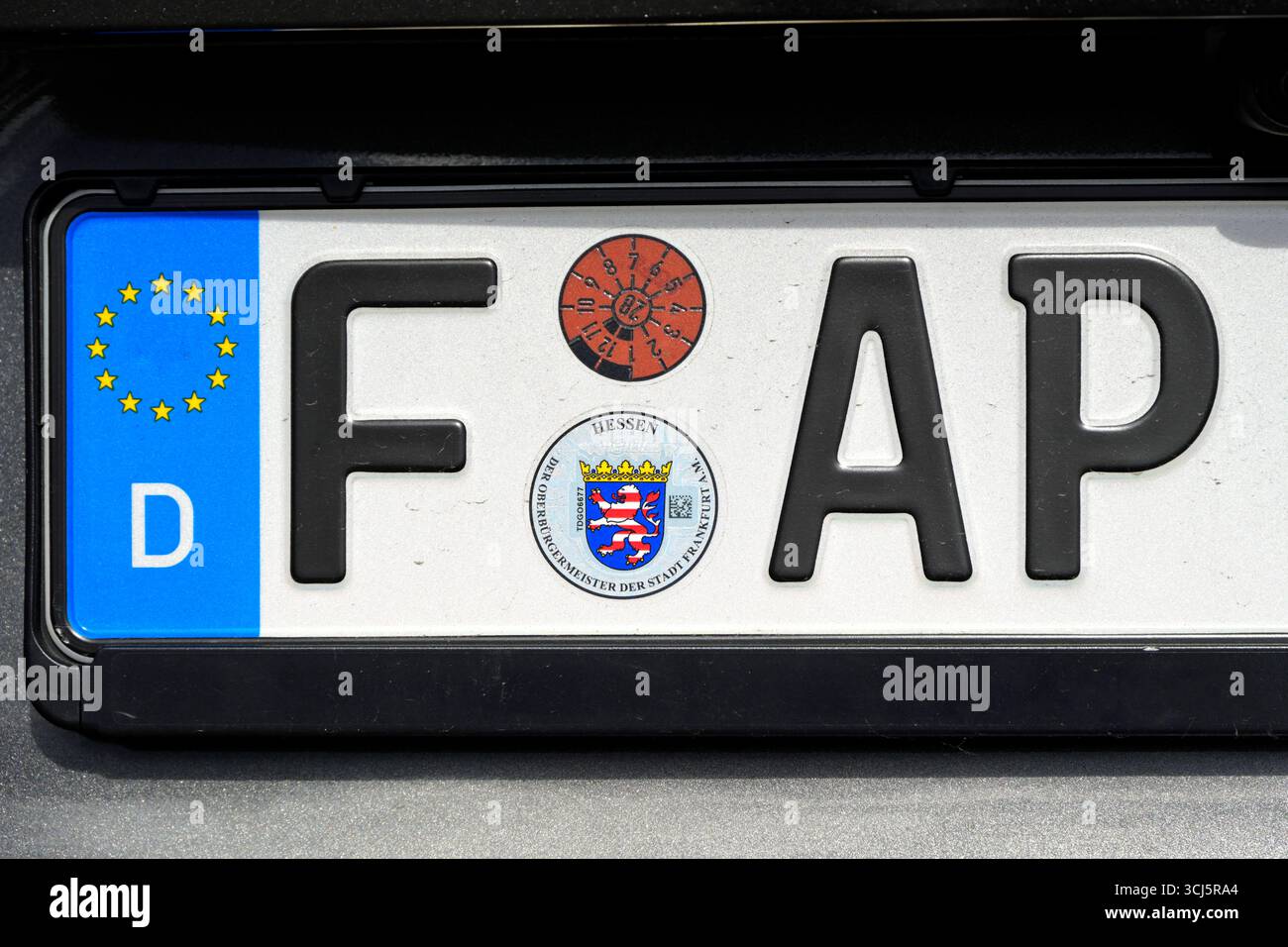
The term “H-Kennzeichen” refers to a specific registration category in Germany introduced to preserve automotive heritage. Under § 2 of the Fahrzeug-Zulassungsverordnung (FZV), vehicles that were first registered at least 30 years ago and are classified as “technically cultural property” are eligible for this designation. Insurance companies generally align their underwriting guidelines with these regulatory standards but often add their own stipulations to control risk.
Most insurers require that the classic car is not used for daily commuting. As noted by the Gesamtverband der Versicherer (GDV), the representative body for German insurers, classic car policies are structured differently than standard auto insurance. They often utilize “agreed value” (Marktwert or Wiederbeschaffungswert) rather than “actual cash value,” which protects the owner in the event of a total loss by compensating them for the vehicle’s established market worth rather than its depreciated value.
Key Criteria for Cost-Effective Coverage
Finding the most affordable insurance for a classic car depends largely on the owner’s ability to meet specific risk-reduction criteria set by underwriters. Insurance premiums are frequently lower than those for modern vehicles because classic cars are typically driven significantly fewer miles per year and are stored in secure locations, such as private garages.

- Annual Mileage Limits: Many providers offer reduced rates for vehicles driven fewer than 3,000 to 5,000 kilometers annually.
- Daily Driver Requirement: Insurers almost universally mandate that the policyholder must have a modern, primary vehicle insured elsewhere for daily use.
- Storage Conditions: Evidence of garaging the vehicle in a locked, dry environment is often a prerequisite for lower premiums.
- Vehicle Condition: A professional appraisal or a “Zustandsnote” (condition grade) of 3 or better is often required to qualify for specialized classic insurance rates.
According to data from the TÜV SÜD, which provides technical inspections for historic registration, regular maintenance and documentation of the vehicle’s history are essential not only for the H-Kennzeichen itself but also for maintaining the eligibility for specialized insurance tariffs.
Comparing Insurance Models for Classic Cars
When evaluating the “cheapest” insurance, owners must distinguish between basic third-party liability (Haftpflicht) and comprehensive coverage (Teilkasko or Vollkasko). While basic liability is mandatory, many classic car owners opt for comprehensive coverage due to the rising market value of well-preserved models. The Verbraucherzentrale, Germany’s consumer protection agency, advises owners to regularly update their agreed value assessments to ensure that their coverage remains sufficient as the market price of their specific model fluctuates.
It is important to note that “cheap” does not always equate to “best.” A policy that offers the lowest annual premium may lack essential coverage for specific classic car risks, such as salvage rights or specialized transport in the event of a breakdown. Experts recommend reviewing the specific fine print regarding “Ersatzteile” (spare parts) coverage, as finding original parts for older vehicles can be significantly more expensive than standard repairs.
Next Steps for Classic Car Owners
Before finalizing an insurance contract, owners should request a written quote that explicitly states the agreed-upon value of the vehicle. It is advisable to compare at least three different providers, ensuring that each quote accounts for the same annual mileage and storage conditions to allow for an accurate financial comparison.
The next major policy update for vehicle registration in Germany is typically discussed during the annual meetings of the Bundesministerium für Digitales und Verkehr (BMDV), which oversees transport regulations. Owners are encouraged to verify current requirements for historical registration through their local “Zulassungsstelle” or via the official ministry portal. For those currently seeking insurance, contacting a specialized broker who focuses on “Oldtimer-Versicherungen” may provide access to niche products not available through general consumer comparison websites.
Do you have experience with classic car insurance in Germany or questions about the H-Kennzeichen requirements? Share your thoughts or professional insights in the comments section below.
Keep reading