
The Cart BP Pro, a ring-type blood pressure monitor, has been selected for use in a state-led cohort study, marking a transition toward utilizing wearable medical devices for large-scale longitudinal health tracking. This development signals a shift in how public health research integrates continuous, non-invasive physiological monitoring into the study of chronic conditions, including cardiovascular and respiratory diseases.
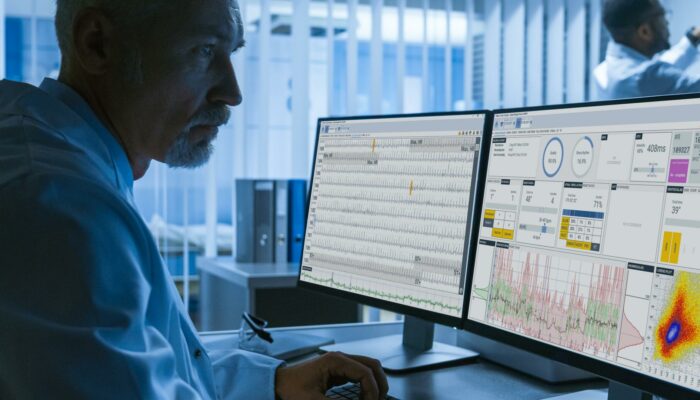
The integration of the device into a government-backed research framework allows for the collection of high-frequency data outside of traditional clinical settings. According to recent industry reports, the technology is designed to interface with broader health signal analysis platforms, which researchers intend to use to monitor long-term outcomes in patients with sleep disorders, geriatric conditions, and cardiovascular risks. By moving beyond spot-check measurements, the study aims to capture a more nuanced picture of patient vitals in real-world environments.
Integration of Wearable Technology in Public Health Research
State-led cohort studies typically rely on periodic check-ups and manual data entry, which can be subject to “white coat hypertension” or infrequent data points. The adoption of the Cart BP Pro, developed by SkyLabs, represents a move toward continuous monitoring. As noted by the manufacturer’s technical documentation, the device utilizes photoplethysmography (PPG) sensors to estimate blood pressure without the need for a traditional inflatable cuff. This method allows for the collection of data during sleep and daily activities, which is critical for identifying nocturnal hypertension and other circadian patterns that are often missed during standard office visits.

The use of wearable sensors in public health is supported by recent trends in medical informatics. According to the Nature Digital Medicine journal, the shift toward “digital phenotypes” allows researchers to correlate daily activity, sleep quality, and hemodynamic stability. By incorporating ring-type monitors into national cohorts, investigators can observe the progression of diseases such as heart failure or chronic obstructive pulmonary disease (COPD) with greater granularity than previously possible.
Broadening the Scope: From Cardiovascular to Geriatric Care
While the initial application of the Cart BP Pro centers on blood pressure, the research roadmap includes expanding its utility to address a wider spectrum of age-related and systemic health issues. Researchers involved in the cohort study are evaluating how the device’s data streams—such as heart rate variability and oxygen saturation—can be combined with other digital biomarkers. This multi-modal approach is essential for managing complex, comorbid conditions common in aging populations, where the interaction between sleep apnea and cardiovascular strain is a primary clinical concern.

The focus on geriatric and respiratory health aligns with global efforts to reduce the burden of chronic disease through early intervention. According to the World Health Organization, hypertension remains a leading cause of premature death globally, and the ability to track fluctuations in real-time is a key component of modern hypertension management strategies. By utilizing platforms that aggregate these signals, health authorities hope to move toward a more proactive model of care that detects physiological deterioration before it necessitates acute hospitalization.
Technical and Clinical Considerations
The accuracy of cuffless blood pressure monitoring remains a subject of ongoing clinical validation. While the Cart BP Pro has received regulatory clearance in various jurisdictions, its performance in a large-scale cohort study will provide a significant dataset for independent verification. Clinical researchers emphasize that wearable data is intended to supplement, rather than replace, validated sphygmomanometer readings. The primary value in a study context is the ability to track trends over time rather than relying on isolated measurements.

The integration process involves complex data security and privacy protocols, given the sensitivity of health information. According to the Korea Internet & Security Agency (KISA), which oversees digital data protection standards, any project involving the collection of personal biometric data for national research must adhere to strict encryption and anonymization requirements. Participants in these studies are typically provided with informed consent forms detailing how their data will be stored, processed, and accessed by the research team.
Future Directions and Next Steps
The inclusion of the Cart BP Pro in this cohort study is considered a pilot phase for wider adoption. The next major milestone for the research team will be the publication of interim data analysis, which is expected to occur following the completion of the first year of the study period. These results will likely influence future government policies regarding the reimbursement and integration of wearable devices into national health screening programs.
As the project progresses, stakeholders expect to refine the algorithms used to interpret the collected physiological signals. Further updates regarding the study’s methodology and preliminary findings will be made available through the host institution’s official research portal. Readers interested in the intersection of wearable medical technology and public health are encouraged to monitor updates from the relevant national health research institutes for detailed reports on the study’s impact.
We invite our readers to share their thoughts on the role of wearable tech in chronic disease management in the comments section below. Your insights help foster a more informed discussion on the future of digital health.
- José Luis Perales on Oregón TV: A Night of Chaos, Absurdity, and Surreal Humor
- National Immunization Awareness Month: Why August Matters for Your Health
- DRC Health Workers Protest Unpaid Wages Amid Record Ebola Outbreak (time.news)
- DRC Ebola Health Workers Strike Over Unpaid Wages Amid Outbreak (archyworldys.com)