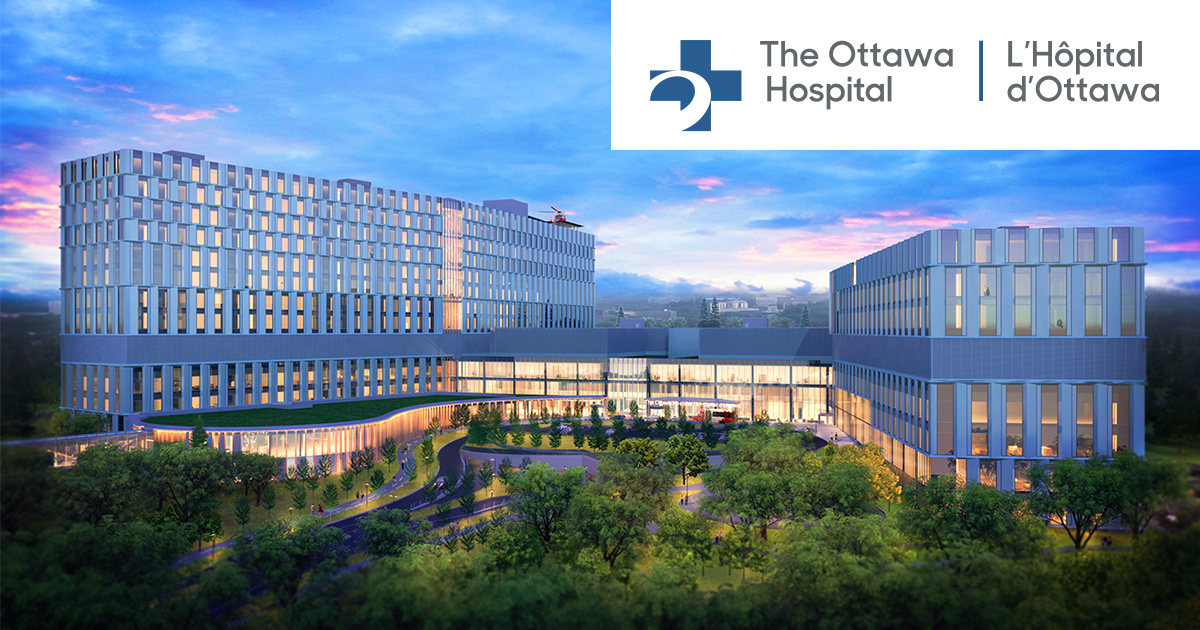
The Royal Mental Health Care and Academic Centre and The Ottawa Hospital are significantly expanding access to publicly funded repetitive transcranial magnetic stimulation, or rTMS, therapy for patients struggling with treatment-resistant mental health conditions. By integrating The Royal’s specialized expertise in neuromodulation, mental health, and substance use care with The Ottawa Hospital’s vast clinical infrastructure, regional healthcare providers aim to bridge critical care gaps for individuals who have not found relief through conventional psychotherapy or pharmacotherapy.
This regional expansion addresses a long-standing treatment bottleneck in eastern Ontario, where demand for advanced neuro-stimulation therapies routinely outstrips institutional capacity. According to health officials, rTMS uses focused magnetic pulses to stimulate specific regions of the brain involved in mood regulation. The therapy offers a vital non-invasive alternative for patients diagnosed with major depressive disorder and related psychiatric conditions who remain unresponsive to standard medical treatments.
Expanding the availability of this specialized intervention marks a decisive shift in how regional healthcare networks tackle complex psychiatric disorders. Integrating advanced neuromodulation directly into hospital-affiliated care pathways helps standardize treatment protocols, reduces wait times for vulnerable populations, and ensures that specialized psychiatric interventions are not restricted solely to private clinics.
Understanding rTMS Technology and Clinical Applications
Repetitive transcranial magnetic stimulation operates by delivering rapid pulses of magnetic energy through an electromagnetic coil placed against the scalp. These magnetic fields pass harmlessly through the skull, inducing localized electrical currents that activate targeted neural circuits in the prefrontal cortex. Unlike electroconvulsive therapy, rTMS requires no anesthesia, causes no memory impairment, and allows patients to resume their normal daily routines immediately following each outpatient session.
Clinical guidelines generally recommend rTMS for adults with major depressive disorder who have failed to achieve remission after trying two or more antidepressant medications. Psychiatrists at participating centers evaluate patient eligibility through rigorous diagnostic screening, taking into account medical history, prior treatment responses, and specific symptom profiles. Treatment courses typically span several weeks, involving daily sessions administered across multiple consecutive weeks to achieve sustained neuroplastic changes.
The collaboration between The Royal and The Ottawa Hospital allows medical teams to pool resources, streamline referral pathways, and expand specialized training for clinical staff. This operational alignment ensures that more patients gain timely access to device-based psychiatric care without facing prohibitive out-of-pocket costs.
Addressing Regional Mental Health Care Gaps
Securing sustainable public funding for advanced mental health treatments remains a central priority for healthcare administrators across Ontario. Historically, patients requiring rTMS faced limited options within the public system, often forcing individuals to seek costly private care or forego treatment entirely. Expanding publicly funded access through major institutional partnerships directly targets these socioeconomic disparities in mental healthcare delivery.
Healthcare advocates and clinicians note that scaling up neuromodulation capacity relieves immense pressure on emergency departments and inpatient psychiatric units. When patients with treatment-resistant depression achieve remission or meaningful symptom reduction, their long-term reliance on acute medical services drops sharply. This downstream impact benefits the broader healthcare system while transforming individual patient outcomes.
Administrators at both institutions continue to refine operational frameworks to support the expanded service rollout, focusing on patient safety, outcome tracking, and equitable referral distribution across primary care networks.
Next Steps for Patients and Healthcare Providers
Patients seeking information regarding eligibility criteria and referral processes for the expanded rTMS program can consult their primary care physician or psychiatric care team. Formal evaluations require a physician referral routed through participating regional intake channels at The Royal or The Ottawa Hospital.
As the integrated program scales up operations, clinical administrators anticipate releasing updated patient intake guidelines and capacity metrics. Stakeholders are encouraged to monitor official communications from The Royal Mental Health Care and Academic Centre and The Ottawa Hospital for forthcoming service updates and clinical expansion timelines.
Keep reading