
Intel Z990 Chipset Leaks Suggest New LGA-1954 Socket for Nova Lake Architecture
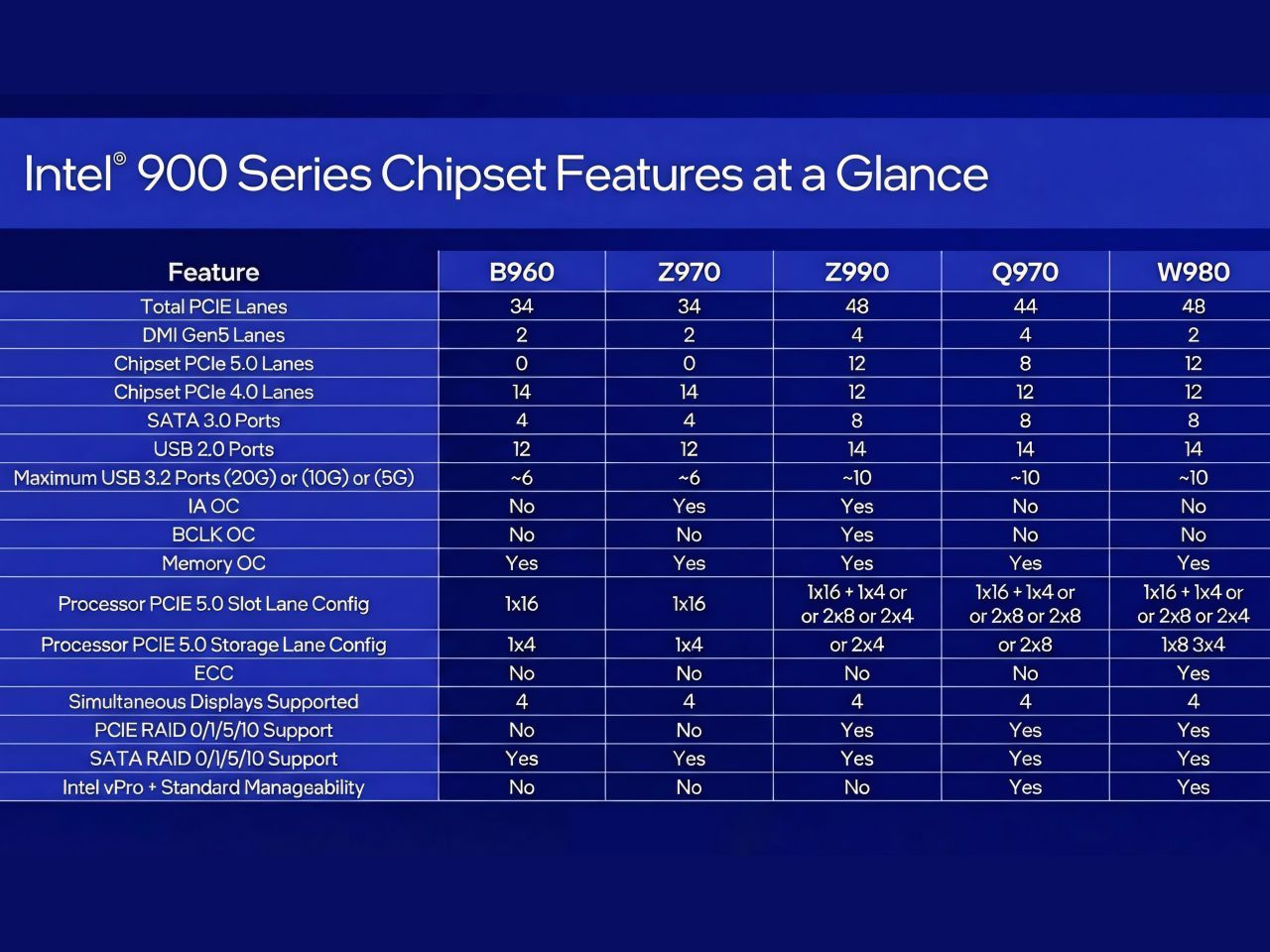
Leaked technical details regarding Intel’s upcoming Z990 chipset suggest the company is preparing a significant platform shift for its future Nova Lake-S processors. Reports indicate the chipset will utilize a new LGA-1954 socket, which would lack backward compatibility with existing processors, and will place a heavy emphasis on PCIe 5.0 integration for high-speed data transfers.
The information, which surfaced through hardware leaks and technical documentation snippets, points toward a major architectural transition. While Intel has not officially confirmed the specifications for the Z990 chipset or the Nova Lake-S lineup, the leaked details suggest a move away from the current socket standards to accommodate higher pin counts and increased bandwidth requirements for next-generation computing tasks.
What are the reported specifications of the Intel Z990 chipset?
According to recent technical leaks, the Z990 chipset is being designed as the flagship companion for Intel’s Nova Lake architecture. A primary focus of this new platform appears to be the expansion of PCIe 5.0 lanes. While PCIe 5.0 is already present in current high-end enthusiast motherboards, the Z990 is expected to optimize these lanes to provide more simultaneous high-bandwidth connections for both graphics processing units (GPUs) and NVMe solid-state drives (SSDs).

Technical reports also mention a specific power profile for the chipset, with some unconfirmed claims suggesting a power consumption figure of approximately 14W for certain components within the platform. If accurate, this figure would reflect the energy required to manage the increased data throughput and complex power delivery systems required by the Nova Lake-S architecture. However, these power specifications remain speculative until Intel releases official platform power guidelines.
The transition to the Z990 platform would represent a departure from the current LGA-1851 socket, which is expected to support the immediate successor to the current 14th Gen processors, known as Arrow Lake. The jump to a new socket indicates that Intel is planning for a significant increase in electrical contact points to support more complex instruction sets and power management features inherent in the Nova Lake design.
How will the LGA-1954 socket change motherboard compatibility?
The most significant implication for consumers involves the shift to the LGA-1954 socket. Leaked images and technical descriptions suggest that the LGA-1954 socket will utilize a two-lever mechanism to secure processors, a design evolution intended to ensure more even pressure distribution across the increased pin count. This mechanical change is necessary to maintain stable electrical connections for the higher density of pins required by the new architecture.
A critical detail from these reports is the lack of backward compatibility. Unlike some previous transitions where certain generations could share a platform, the LGA-1954 socket is expected to be exclusive to the Nova Lake-S family. This means that users currently on the LGA-1700 platform (supporting 12th, 13th, and 14th Gen Intel Core processors) or the upcoming LGA-1851 platform will not be able to upgrade to Nova Lake processors without replacing their motherboards.
This lack of compatibility forces a complete platform reset for enthusiasts. While this allows Intel to implement more advanced electrical and thermal management technologies, it also increases the total cost of ownership for users looking to upgrade. The necessity of new motherboards, combined with the potential for new DDR memory standards or higher clock speeds, suggests that a Nova Lake upgrade will be a significant financial investment.
Socket Evolution Comparison
The following table illustrates the projected progression of Intel’s desktop socket architecture based on current market roadmaps and recent leaks.

| Socket Type | Primary Architecture | Status | Key Characteristics |
|---|---|---|---|
| LGA-1700 | Alder Lake / Raptor Lake | Current/Legacy | Supports DDR4 and DDR5; 12th-14th Gen. |
| LGA-1851 | Arrow Lake | Upcoming | Focus on PCIe 5.0 and DDR5 optimization. |
| LGA-1954 | Nova Lake-S | Leaked/Future | High pin density; two-lever mechanism; no backward compatibility. |
Why is PCIe 5.0 central to the Nova Lake architecture?
The emphasis on PCIe 5.0 in the Z990 chipset is a response to the escalating bandwidth demands of modern hardware. As professional workloads, such as artificial intelligence (AI) training and large-scale data processing, move toward consumer-grade hardware, the bottleneck often shifts from the processor to the data lanes connecting the CPU to other components.
PCIe 5.0 offers double the bandwidth of PCIe 4.0, providing up to 32 GT/s (gigatransfers per second) per lane. For high-end users, this translates to two main advantages:
- GPU Performance: Future generations of high-performance graphics cards are expected to utilize more bandwidth to reduce latency and increase frame rates in data-heavy applications.
- Storage Throughput: Next-generation Gen5 NVMe SSDs can reach sequential read speeds exceeding 10,000 MB/s, a feat that requires robust PCIe 5.0 lane management to prevent system-wide bottlenecks.
By “betting everything” on PCIe 5.0, the Z990 chipset aims to position the Nova Lake platform as the premier choice for workstation-class performance in a consumer form factor. This focus suggests that Intel is prioritizing data throughput as a key differentiator against competitors in the enthusiast market.
What are the potential impacts on the consumer market?
The move to the Z990 and LGA-1954 platform will likely create a bifurcated market. For casual users, the transition may be less noticeable, as they are less likely to require the extreme bandwidth of PCIe 5.0 or the specific architectural advantages of Nova Lake. However, for the enthusiast, gaming, and professional sectors, the impact is substantial.
First, the requirement for new motherboards will likely drive a cycle of hardware sales, benefiting motherboard manufacturers such as ASUS, MSI, and Gigabyte. Second, the complexity of the new socket and the power requirements of the chipset may lead to higher MSRPs for premium Z990 motherboards compared to previous generations. Enthusiasts will need to budget not just for the CPU, but for a complete platform overhaul.
Furthermore, the focus on PCIe 5.0 may influence the secondary market for older hardware. As the industry moves toward a standard where PCIe 5.0 is a baseline requirement for high performance, older PCIe 4.0-based systems may see a faster rate of depreciation.
Frequently Asked Questions
Will my current Intel motherboard work with Nova Lake processors?
Based on the current leaks regarding the LGA-1954 socket, the answer is no. The new architecture will require a new motherboard specifically designed for the Z990 chipset or other Nova Lake-compatible chipsets.

What is the main advantage of the LGA-1954 socket?
The increased pin count of the LGA-1954 socket allows for more electrical connections, which is necessary to support higher data bandwidth, more power phases, and more complex communication between the CPU and the chipset.
Does PCIe 5.0 make a difference for gaming?
While many current games do not yet fully saturate PCIe 4.0 bandwidth, PCIe 5.0 provides significant headroom for future-proofing, especially as GPUs become more complex and storage speeds continue to increase.
Intel has not yet provided an official release window for the Nova Lake-S architecture or the Z990 chipset. The next major milestone for Intel’s desktop lineup will be the official launch and technical specifications for the Arrow Lake platform on the LGA-1851 socket.
What do you think about Intel’s move to a new socket for Nova Lake? Will the performance gains justify the upgrade cost? Let us know in the comments below and share this article with your tech community.