Venezuela’s National Meteorological Institute (INAMEH) has confirmed that the upcoming El Niño event will arrive with “above-average intensity” but will not trigger the extreme drought conditions seen in past cycles, according to forecasts released this month. While rainfall deficits are expected in key agricultural regions—particularly the northern Andes and central plains—officials emphasize that water reserves in major reservoirs, including the Guri Dam, remain stable for now. The warning comes as global climate models, including those from the U.S. National Oceanic and Atmospheric Administration (NOAA), project El Niño’s peak between October 2024 and February 2025, with Venezuela’s coastal and northern regions facing the highest risk of reduced precipitation.
Unlike the catastrophic drought of 2015–2016—when Venezuela’s hydroelectric output dropped by nearly 40% due to reservoir levels—this year’s El Niño is projected to be “moderate to strong,” according to Venezuela’s Ministry of Ecosocialism and Water. “We are not facing a scenario like 2016,” said Minister José Gregorio Rodríguez in a press briefing last week. “However, we must prepare for localized water shortages, particularly in states like Lara, Yaracuy, and Falcón, where agriculture depends heavily on seasonal rains.”
For farmers and urban planners, the distinction between “intense” and “extreme” El Niño carries critical implications. The 2015–2016 event devastated Venezuela’s corn and soybean crops, pushing food prices up by over 30% in some regions. This time, INAMEH’s models suggest rainfall will drop by 15–25% below average in affected zones—still severe, but not catastrophic. “The difference lies in reservoir management and early warning systems,” explained World Bank climate analyst María Elena Álvarez. “Venezuela has invested in desalination plants and emergency water transfers since 2016, which should mitigate the worst impacts.”
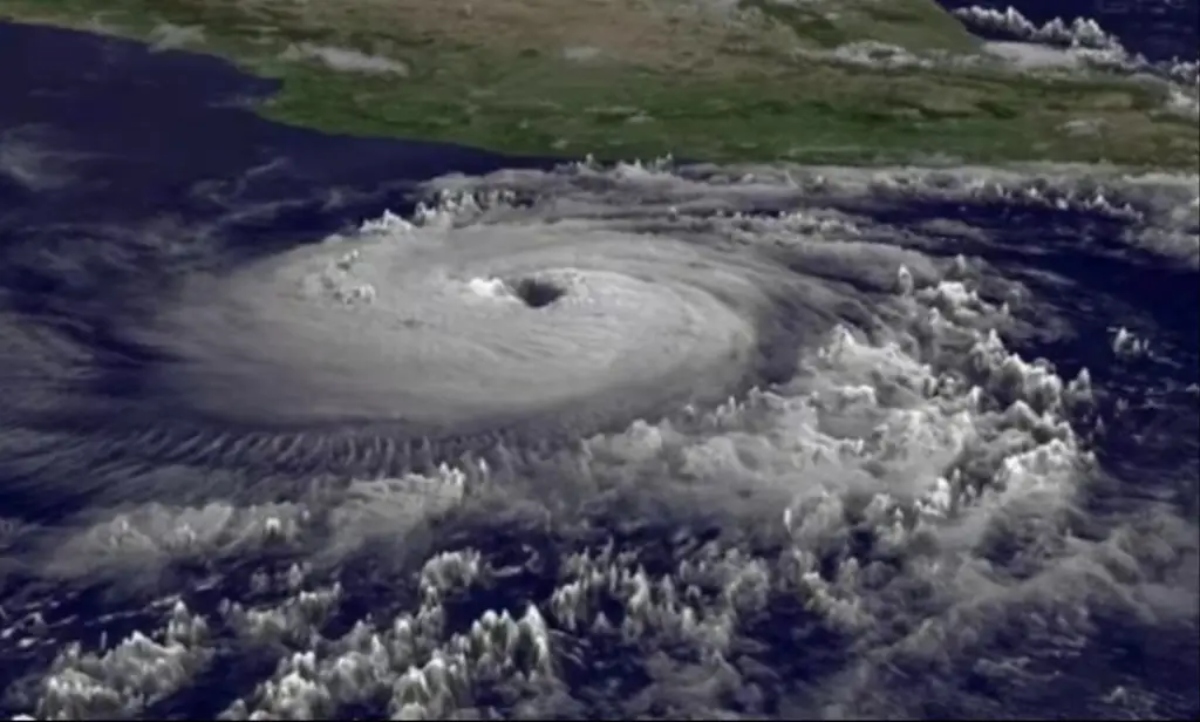
Visualization: INAMEH’s latest rainfall probability map (below) highlights the northern Andes and central plains as high-risk zones for below-average precipitation during El Niño’s peak.
Why This El Niño Won’t Cause Extreme Drought—And What That Means for Venezuela
El Niño’s impact on Venezuela hinges on three key factors: reservoir levels, agricultural preparedness, and government response. Unlike 2016, when the Guri Dam’s water levels fell to crisis levels, today’s reservoirs are operating at 60–70% capacity, according to the Ministry of Ecosocialism. “The difference is structural,” said Rodríguez. “We’ve learned from past mistakes.”
However, agricultural sectors remain vulnerable. The Food and Agriculture Organization (FAO) warns that even a 20% rainfall drop could reduce corn yields by up to 25% in key states like Guárico and Apure. “Smallholders are the most at risk,” said FAO representative Carlos López. “They lack access to irrigation infrastructure that larger farms can rely on.”
Government advisories urge farmers to adopt drought-resistant crops like sorghum and millet, while urban areas are being advised to reduce non-essential water use. The Ministry of Environment has also activated a contingency plan to monitor reservoir levels in real time and reroute water where needed.
How This Year’s El Niño Compares to Past Events in Venezuela
| Year | El Niño Intensity | Rainfall Drop (%) | Impact on Agriculture | Reservoir Levels |
|---|---|---|---|---|
| 2015–2016 | Strong | 30–40% | Corn/soybean yields dropped 50% | Guri Dam at 20% capacity |
| 2009–2010 | Moderate | 15–20% | Localized crop losses; no national food crisis | Reservoirs stable |
| 2024 (Projected) | Moderate to Strong | 15–25% | 20–25% yield reduction in high-risk areas | 60–70% capacity |
While the 2024 El Niño is expected to be more intense than the 2009–2010 event, it falls short of the 2015–2016 crisis in terms of both rainfall deficits and reservoir stress. “The key difference is preparedness,” said Álvarez. “Venezuela has since invested in desalination and emergency water transfers, which weren’t available in 2016.”
What Happens Next: Key Checkpoints and Government Actions
The next critical updates will come from three sources:
- October 2024: INAMEH will release its updated seasonal forecast, which will refine rainfall predictions as El Niño strengthens.
- November 2024: The Ministry of Ecosocialism will announce Phase 2 of its water contingency plan, including potential rationing in high-risk states.
- January 2025: FAO will publish its agricultural impact assessment, detailing crop losses and food security risks.
For residents in affected regions, the Ministry of Ecosocialism recommends:
- Conserving water by reducing garden irrigation and fixing leaks.
- Storing at least three months’ water supply in case of localized shortages.
- Monitoring official alerts via Correo del Orinoco or INAMEH’s website.
FAQ: El Niño in Venezuela—What You Need to Know
Q: Will Venezuela face blackouts like in 2016?
A: Unlikely. The Guri Dam’s water levels are currently at 65% capacity, and the government has invested in backup generators and fuel reserves since the last crisis. However, prolonged drought could still strain the grid if rainfall falls below expectations.
Q: Are food prices expected to rise?
A: Yes, but not as sharply as in 2016. The FAO predicts a 15–20% increase in staple food costs in high-risk states, primarily due to reduced corn and soybean yields. Imported grains may help stabilize prices.
Q: How can farmers prepare?
A: The Ministry of Agriculture recommends switching to drought-resistant crops like sorghum and millet, using drip irrigation where possible, and applying for government-subsidized emergency farming grants. Smallholders are encouraged to join local water-sharing cooperatives.
Q: Will El Niño affect oil production?
A: Indirectly. While Venezuela’s oil fields are not directly dependent on rainfall, reduced water availability could slow down operations at coastal refineries if cooling systems are impacted. PDVSA has not issued specific warnings yet but is monitoring the situation.
The next official update on El Niño’s trajectory in Venezuela will be released by INAMEH on October 15, 2024, ahead of the peak season. For real-time advisories, residents are urged to follow Correo del Orinoco or the National Meteorological Institute’s alerts.
Have questions about how El Niño might affect your region? Share your concerns in the comments below—or tag @INAMEH_Venezuela for official updates.
Worth a look