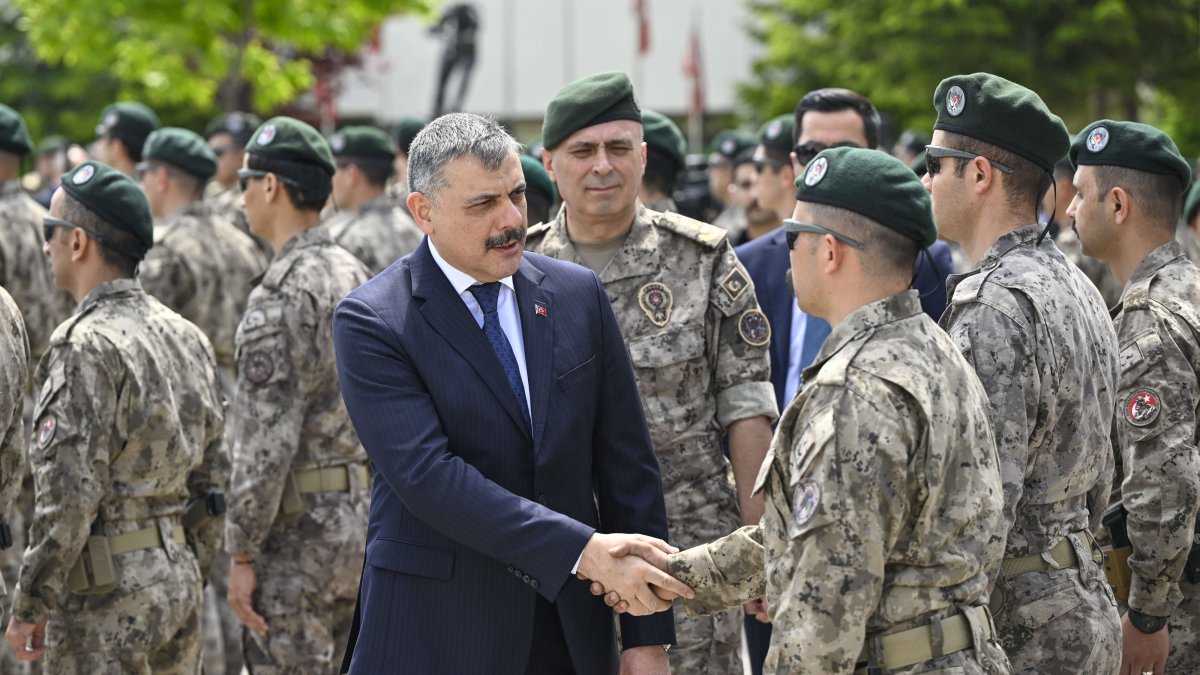
ANKARA — Turkish Interior Minister Ali Yerlikaya visited the headquarters of the elite Special Operations Police in Ankara this week to mark the occasion of Eid al-Adha, a visit that underscored the government’s ongoing focus on national security and the legacy of the 2016 coup attempt. During the holiday visit, the Minister paid tribute to the officers who lost their lives in the line of duty, specifically honoring those who resisted the failed coup attempt orchestrated by the Fetullah Terrorist Organization (FETÖ).
The visit to the Gölbaşı Special Operations Department, which served as a primary target during the events of July 15, 2016, highlights the deep institutional memory within the Turkish security apparatus. The site remains a symbol of the resistance against the attempt to overthrow the democratically elected government, an event that resulted in the deaths of over 250 people, including 47 officers at the Special Operations headquarters alone, according to official government records and reports from Anadolu Agency.
As the country observes the religious festival of Qurban Bayram, the presence of high-level government officials at security installations serves as both a traditional holiday greeting and a reaffirmation of the state’s commitment to its counter-terrorism policies. The Turkish government designates FETÖ as a terrorist organization responsible for the 2016 putsch, maintaining a long-standing policy of pursuing its members domestically and abroad, as detailed in official statements from the Turkish Ministry of Foreign Affairs.
The Significance of the Gölbaşı Headquarters
The Special Operations Police, often referred to as the “PÖH” (Polis Özel Harekât), occupy a unique position in Turkey’s internal security architecture. Following the 2016 coup attempt, the facility at Gölbaşı became a focal point for national remembrance. The facility was heavily bombed by rogue aircraft during the night of the failed uprising, an act that caused significant structural damage and tragic loss of life among the elite units stationed there.
For the current administration, visiting these sites during major holidays is a standard protocol intended to bolster morale among the ranks and reinforce the narrative of state resilience. Minister Ali Yerlikaya, who assumed his role in June 2023, has frequently emphasized the importance of maintaining high levels of vigilance against what the state defines as security threats, particularly those linked to the aftermath of the 2016 events. You can track ongoing developments regarding Turkey’s internal security policies through the official portal of the Ministry of Interior.
Contextualizing the Anti-FETÖ Campaign
The term “FETÖ” is used by the Turkish government to describe the movement led by Fethullah Gülen, who lived in the United States until his passing in 2024. The Turkish state has consistently accused the group of infiltrating state institutions, including the military, judiciary and police, over several decades to create a “parallel state structure.”
Since the July 2016 attempt, the Turkish government has launched a massive, multi-year administrative and judicial campaign. This has resulted in the dismissal of thousands of civil servants and the arrests of individuals suspected of maintaining ties to the network. These actions have been the subject of extensive international discourse. While the Turkish government maintains these measures are necessary for national survival, international human rights organizations have periodically raised concerns regarding the scope of the purges. Detailed accounts of these legal actions and the subsequent judicial processes are archived by the Official Gazette of the Republic of Turkey, which publishes all legislative decrees and legal mandates.
National Security and Public Sentiment
The intersection of religious holidays like Eid al-Adha and state-led commemorative events reflects the integration of nationalist and traditional values in Turkey’s public life. During such visits, officials typically engage in prayer, share meals with the personnel, and deliver speeches that emphasize the “martyrdom” of those who died protecting the state. This rhetoric is a cornerstone of the current government’s communication strategy.
For the families of the fallen, these state-sponsored tributes provide a sense of official recognition. However, the broader political implications remain significant. The narrative surrounding the 2016 coup attempt continues to be a defining feature of Turkish domestic politics, influencing electoral campaigns, judicial appointments, and the broader orientation of Turkish foreign policy as the state seeks international cooperation in its efforts to pursue alleged members of the organization abroad.
Looking Ahead: The Path for Security Policy
As Turkey continues its efforts to manage its internal security landscape, the focus remains on the modernization of its specialized police units and the continuation of legal proceedings against individuals linked to the 2016 events. The Ministry of Interior is expected to continue its oversight of these specialized units, with further updates regarding counter-terrorism operations typically released through official press briefings and the ministry’s digital communications channels.
Readers interested in the legal framework surrounding these security measures can consult the national legislation database for the most recent updates on counter-terrorism laws. As the nation moves past the holiday period, the focus will likely shift back to the routine administrative challenges facing the security sector and the ongoing diplomatic efforts to address the remnants of the FETÖ structure.
If you have thoughts on the evolution of Turkey’s security landscape or would like to share your perspective on these developments, please join the conversation in the comments section below. We encourage our readers to remain informed by tracking the latest official bulletins from the relevant government ministries.
Related reading