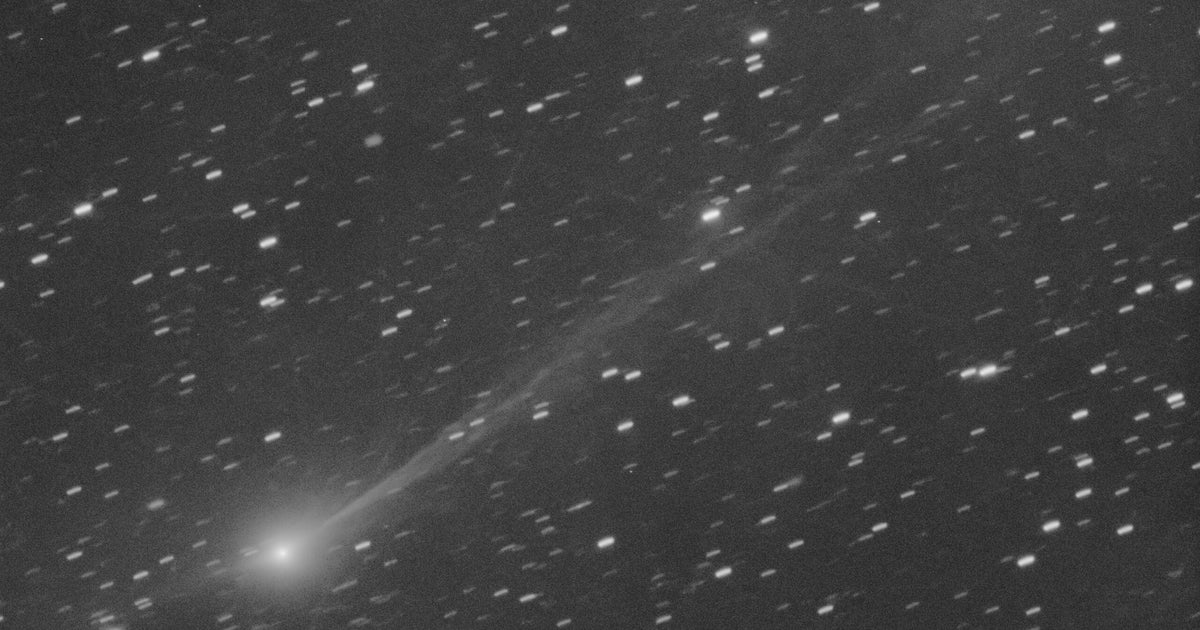
A remarkable interstellar comet, designated 3I/ATLAS, recently offered scientists an unprecedented glimpse into the distant past. Captured by the High Resolution Imaging Science Experiment (HiRISE) camera aboard NASA’s Mars Reconnaissance Orbiter on October 2, 2025, the image reveals details of this unique celestial traveler.
This comet isn’t just visiting from another solar system; it’s a relic from a time before our own sun and Earth even existed. It provides a window into the very early stages of planetary system formation.
Here’s what makes 3I/ATLAS so special:
* Interstellar origin: Unlike most comets originating within our solar system, this one comes from far beyond.
* Ancient Composition: Its material dates back to the dawn of planetary systems, offering clues about the building blocks of worlds.
* Unique possibility: Studying it allows scientists to examine pristine material untouched by our sun’s radiation.
I’ve found that understanding the composition of these interstellar visitors can unlock secrets about the universe’s early history. It’s like holding a piece of the past in your hands.
Recent speculation about the comet being an alien spacecraft has been firmly dismissed by space agency officials. They emphasize the scientific data clearly indicates a natural, though remarkable, cosmic phenomenon.
Here’s what works best when analyzing objects like 3I/ATLAS:
* Detailed Imaging: High-resolution cameras like HiRISE are crucial for observing subtle features.
* Spectroscopic analysis: Examining the light reflected from the comet reveals its chemical makeup.
* Trajectory Tracking: Precise tracking helps determine its origin and future path.
You can appreciate that this comet represents a rare opportunity to study material from a entirely different planetary system. It’s a chance to learn about the diversity of worlds beyond our own.
This revelation underscores the ongoing exploration of our solar system and beyond. It highlights the amazing advancements in space technology that allow us to unravel the mysteries of the universe.
Keep reading