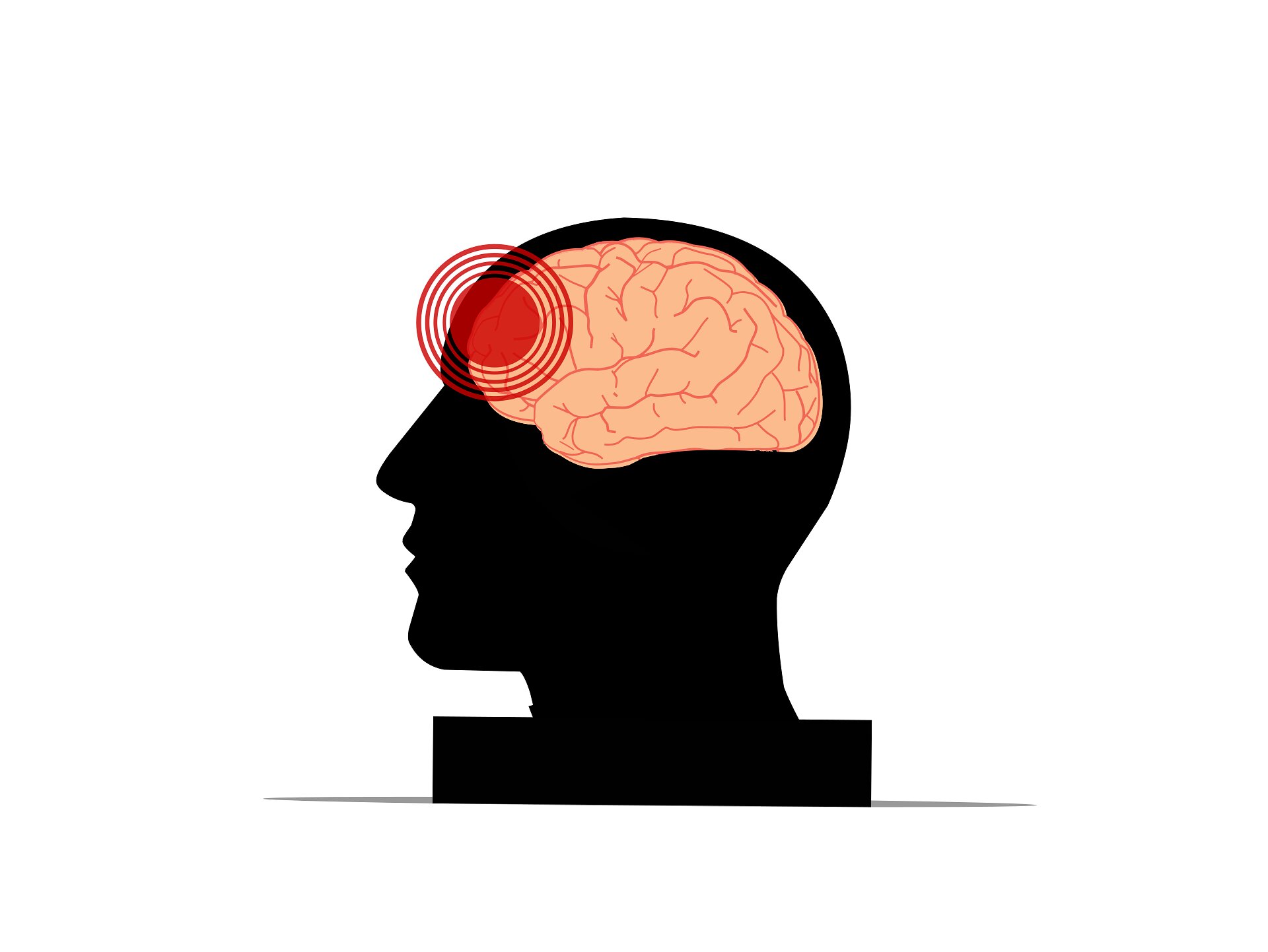
Inflammation following an intracerebral hemorrhage is a complex process that significantly impacts patient outcomes. Understanding the nuances of this inflammatory response is crucial for developing effective therapies. Here’s a breakdown of what you need to know,based on recent research and clinical experience.
Intracerebral hemorrhage (ICH), or bleeding within the brain, triggers a cascade of events.Initially, the body attempts to contain the damage. however, this natural response can quickly become detrimental.
Specifically,the inflammatory response following ICH isn’t a simple,straightforward process. It involves multiple phases and cell types, each contributing to the overall outcome. Let’s explore these key aspects:
* Early Inflammation (Hours to Days): This phase is characterized by the activation of microglia,the brain’s resident immune cells. They release signaling molecules, initiating the inflammatory cascade.
* Secondary Inflammation (days to weeks): Peripheral immune cells, like neutrophils and macrophages, infiltrate the brain. This influx amplifies the inflammatory response, perhaps causing further damage.
* Chronic Inflammation (Weeks to months): Prolonged inflammation can hinder recovery and contribute to long-term neurological deficits.
I’ve found that the timing and intensity of inflammation are critical determinants of recovery. A moderate inflammatory response can be neuroprotective, clearing debris and promoting healing. However, excessive or prolonged inflammation is overwhelmingly harmful.
Several factors contribute to the variability in inflammatory responses after ICH. These include:
* hemorrhage Size and Location: Larger hemorrhages and those in critical brain regions tend to elicit a more robust inflammatory response.
* patient Age and Comorbidities: Older patients and those with pre-existing conditions like hypertension or diabetes ofen exhibit exaggerated inflammation.
* Genetic Predisposition: Individual genetic variations can influence the inflammatory response.
Researchers are actively investigating potential therapeutic targets to modulate inflammation after ICH. Current strategies focus on:
* Microglial Modulation: Aiming to shift microglia from a pro-inflammatory to a neuroprotective phenotype.
* Neutrophil Inhibition: Reducing the infiltration of neutrophils into the brain.
* Anti-inflammatory Drugs: Exploring the use of existing and novel anti-inflammatory agents.
Here’s what works best in my experience: a personalized approach. recognizing the unique inflammatory profile of each patient is essential for tailoring treatment strategies. Biomarkers, such as inflammatory cytokines and chemokines, can definitely help guide these decisions.
Furthermore, supportive care plays a vital role in managing inflammation.This includes:
* Blood Pressure Control: Maintaining optimal blood pressure can minimize secondary brain injury.
* temperature Management: Preventing fever can reduce metabolic demand and inflammation.
* Nutritional Support: Providing adequate nutrition supports the body’s natural healing processes.
It’s critically important to remember that research in this area is ongoing. New insights are constantly emerging, offering hope for improved treatments. Ultimately, a deeper understanding of the inflammatory response following ICH will pave the way for better outcomes for patients.
Keep reading