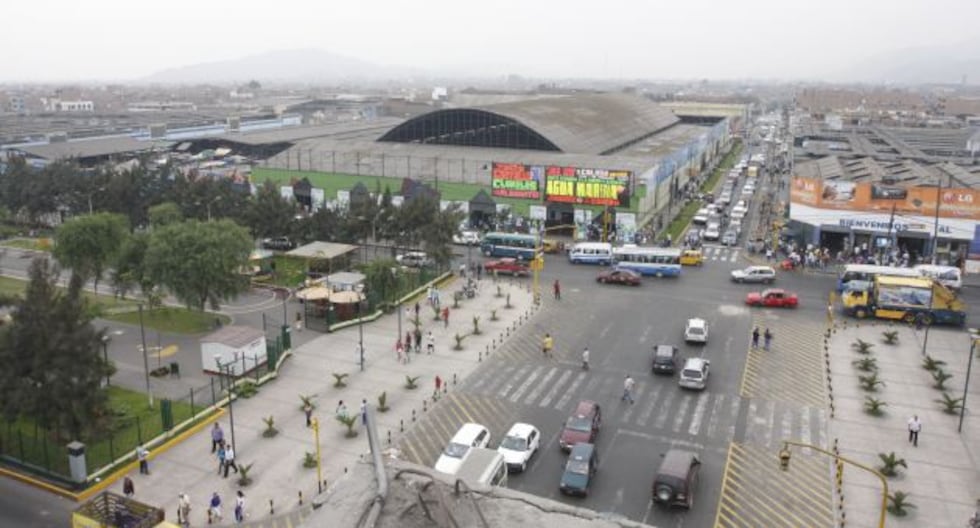
Chinese investment in Peru is diversifying into direct ownership of commercial real estate and upstream energy production, marking a strategic shift from the traditional model of importing goods and exporting raw minerals. This expansion includes the purchase of physical storefronts in Lima’s Las Malvinas commercial hub and increased capital flow into oil and gas exploration, alongside the development of the multi-billion dollar Chancay Port.
For decades, the economic relationship between Beijing and Lima centered on a trade imbalance where China imported copper and gold while exporting manufactured consumer goods. However, recent data shows a transition toward “vertical integration,” where Chinese entities are securing the entire supply chain, from the extraction of resources to the retail spaces where finished products are sold to Peruvian consumers.
This shift is most visible in the Las Malvinas area of Lima, a critical center for the import and distribution of electronics and machinery. Chinese traders, who previously operated as wholesalers or importers, are now purchasing the commercial premises themselves. This move provides Chinese investors with permanent assets in the Peruvian capital and greater control over the distribution networks that feed the rest of the country.
Why Chinese investors are buying retail space in Las Malvinas
The transition from importing to owning real estate in Las Malvinas reflects a desire for long-term stability and market dominance. By owning the physical locales, Chinese business operators eliminate rental costs and create a permanent foothold in one of Lima’s most active trading zones. This strategy mirrors patterns seen in other Latin American markets where Chinese merchants move from nomadic trading to established property ownership.

Local market analysts indicate that this trend is driven by the saturation of the import market. As more Chinese firms enter the Peruvian market, competition on price alone has diminished margins. Ownership of the retail space allows these firms to control the “last mile” of the supply chain, ensuring their products have prime visibility and reducing reliance on Peruvian landlords.
This real estate acquisition is part of a broader trend of “commercial colonization” where the physical landscape of trade is altered. In Las Malvinas, the presence of Chinese-owned storefronts is increasing, creating a closed-loop system where Chinese firms import the goods, own the warehouse, and own the shop where the final sale occurs.
Expansion into Peru’s upstream energy sector
Beyond retail, China is aggressively targeting Peru’s energy sector, specifically moving into “upstream” operations. Upstream refers to the exploration and production of crude oil and natural gas, the most capital-intensive and risky part of the energy chain. Previously, Chinese interest was largely confined to the “downstream” sector, such as refining and distribution.
This move into exploration is a strategic effort to secure energy sovereignty. By investing in the extraction phase, China reduces its dependence on third-party suppliers and gains direct access to Peruvian hydrocarbons. This expansion is supported by the Peru-China Free Trade Agreement, which has lowered barriers for investment across multiple sectors.
The energy push is not limited to fossil fuels. China is also eyeing Peru’s potential for renewable energy, including hydroelectric and solar projects, as part of its global “Green Silk Road” initiative. This diversification ensures that as Peru transitions its energy matrix, Chinese firms are positioned to provide both the technology and the financing.
The Chancay Port: A strategic infrastructure anchor
The most significant catalyst for this investment surge is the Chancay Port, a megaproject led by Cosco Shipping Ports. The port, with an estimated investment of approximately $3.5 billion, is designed to become the primary hub for trade between South America and Asia.
Chancay Port will significantly reduce shipping times between Peru and China by eliminating the need for ships to stop in North American or Caribbean ports. This logistical efficiency makes the purchase of retail spaces in Lima and investments in energy production more viable, as the cost of transporting equipment and goods drops sharply.
The port is not merely a maritime facility but an integrated logistics hub. It includes a specialized terminal for containers and a planned industrial park. This infrastructure encourages other Chinese firms to establish operations nearby, creating a “cluster effect” that draws further investment into the surrounding region of Chancay and the broader Lima province.
Strategic implications for the Peruvian economy
The influx of Chinese capital provides Peru with critical infrastructure and immediate liquidity, but it also raises questions about economic dependency. The Peruvian government has welcomed the investment to bridge infrastructure gaps, yet some analysts warn that the concentration of ownership in key sectors—from ports to retail—could limit future policy autonomy.
The impact on local businesses is mixed. While the Chancay Port is expected to create thousands of jobs and stimulate regional growth, small-scale importers in Las Malvinas may find it impossible to compete with Chinese firms that own the entire supply chain. The shift from “trading partner” to “landlord” changes the power dynamic in the local marketplace.
Furthermore, the move into upstream energy places China in a position of influence over Peru’s natural resource management. As China increases its stake in exploration, the Peruvian state must balance the need for foreign investment with the requirement to maintain sovereign control over strategic reserves.
Comparative Investment Trends
The current wave of investment differs fundamentally from the trends seen a decade ago. The following table outlines the evolution of Chinese economic activity in Peru:
| Investment Era | Primary Focus | Typical Asset | Market Role |
|---|---|---|---|
| 2010–2018 | Raw Materials | Mining Contracts | Buyer/Importer |
| 2019–2023 | Infrastructure | Port/Roads | Developer/Financier |
| 2024–Present | Vertical Integration | Real Estate/Upstream Energy | Owner/Operator |
This progression indicates that China is no longer content with being Peru’s largest customer; it is becoming a primary stakeholder in the country’s internal commercial and energy infrastructure.
The next confirmed checkpoint for this economic expansion is the full operational launch of the Chancay Port, which is expected to trigger a new wave of satellite investments in logistics and warehousing across the coast of central Peru. Official updates on the port’s final commissioning and the subsequent opening of the associated industrial zone are expected from the Peruvian Ministry of Transport and Communications.
Do you believe the diversification of Chinese investment into Peruvian real estate and energy is a net positive for the local economy? Share your thoughts in the comments below.