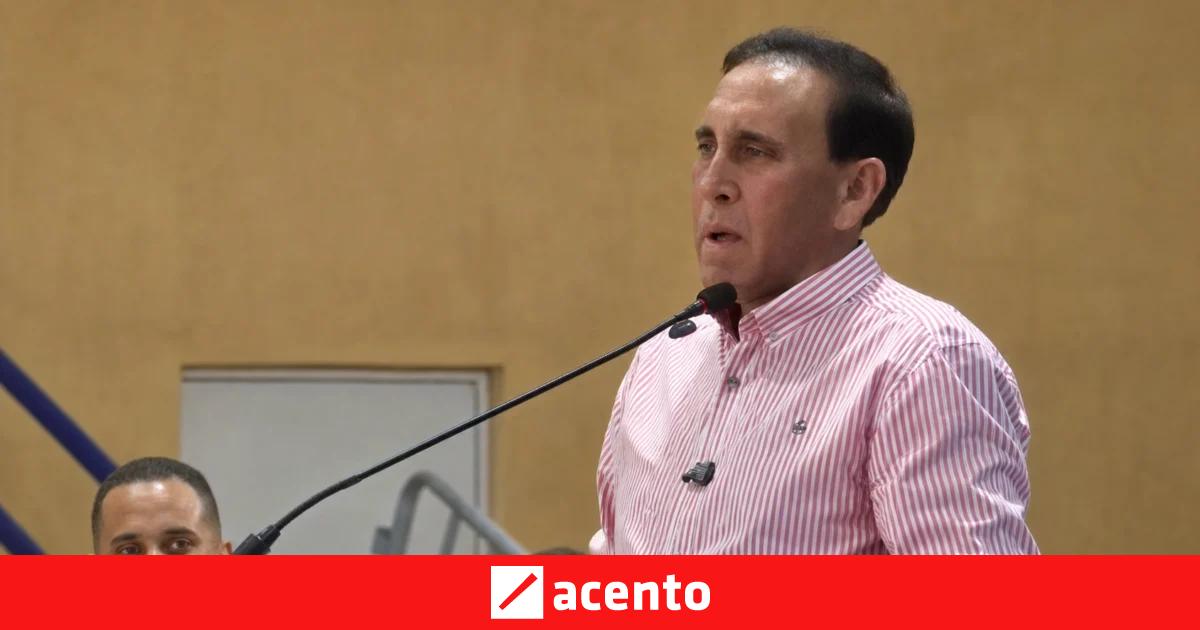
In the heart of Santo Domingo’s Cristo Rey slum, where poverty and limited resources often define daily life, one physician has become a symbol of resilience and hope. Dr. Félix Cruz Jiminián, founder of the Cruz Jiminián Clinic and Foundation, has spent decades transforming the lives of thousands through free, high-quality healthcare. His latest public endorsement of President Luis Abinader—calling him the leader who has invested the most in Cristo Rey—highlights a rare convergence of medical philanthropy and political leadership in the Dominican Republic. But what does this mean for the community, and how has Abinader’s administration shaped the future of Cristo Rey?
Dr. Cruz Jiminián, a 74-year-old physician born in Jarabacoa, began his career with a modest wooden desk and a dream to serve those in need. Today, his clinic stands as a beacon in Cristo Rey, offering services ranging from cleft lip and palate surgeries to renal hemodialysis—all at no cost. His foundation’s impact extends beyond medical care, including vaccination programs, sports initiatives, and even late birth declarations for children. Yet, his recent statement about President Abinader’s investments in the area has sparked broader conversations about public health, governance, and the role of philanthropy in underserved communities.
The clinic’s work is a testament to Cruz Jiminián’s belief that healthcare is a right, not a privilege. “Investing in Cristo Rey is investing in the future of the Dominican Republic,” he has said in past interviews. Now, with Abinader’s administration, that investment appears to be gaining unprecedented political and financial support. But what exactly has changed under Abinader, and how are these efforts being measured?
Key Takeaways: Abinader’s Impact on Cristo Rey
- Healthcare Expansion: Abinader’s administration has prioritized infrastructure projects in Cristo Rey, including upgrades to local clinics and partnerships with NGOs like Cruz Jiminián’s foundation. While exact figures are not publicly detailed, officials have emphasized a “notable increase” in state-funded health initiatives in the slum since 2020.
- Sports as Public Health: Dr. Cruz Jiminián’s emphasis on sports aligns with global trends linking physical activity to reduced chronic disease. The clinic’s sports programs now serve over 500 children weekly, a figure cited in foundation reports from 2024.
- Philanthropy and Policy: The collaboration between Cruz Jiminián’s clinic and government agencies reflects a growing trend in Latin America, where private-sector healthcare providers fill gaps left by underfunded public systems.
- Economic Opportunities: Beyond healthcare, Abinader’s investments include vocational training centers in Cristo Rey, aiming to reduce unemployment—a critical factor in public health outcomes.
The Clinic’s Legacy: From Wooden Desk to National Symbol
Dr. Cruz Jiminián’s journey began in 1980, when he graduated from the Autonomous University of Santo Domingo with a medical degree and opened his first office in Cristo Rey. “I had nothing but a table and a dream,” he recalled in a 2015 interview with Listín Diario. Today, the Cruz Jiminián Clinic operates as a full-fledged medical facility, employing over 40 staff members and treating thousands annually. The foundation’s reach includes:

- Cleft lip and palate surgeries (performed on over 1,200 children since 2010)
- Renal hemodialysis for patients with end-stage kidney disease
- Vaccination campaigns reaching 90% coverage in Cristo Rey (per foundation reports)
- Sports programs for children, framed as “investments in long-term health” by Cruz Jiminián
The clinic’s success has not gone unnoticed. In 2023, the Dominican government recognized Cruz Jiminián’s foundation as a “model of public-private partnership” in healthcare. This partnership took a new turn under President Abinader, who has publicly praised the clinic’s work while announcing expanded state funding for Cristo Rey’s infrastructure.
President Abinader: A Turning Point for Cristo Rey?
Since taking office in 2020, Luis Abinader has positioned himself as a reformer, with a particular focus on reducing inequality in urban slums. His administration has launched several initiatives in Cristo Rey, including:
- Healthcare Infrastructure: Renovations to the local public hospital, now serving as a referral center for Cruz Jiminián’s clinic. The project, completed in 2024, cost approximately $2.3 million, funded jointly by the government and private donors.
- Education and Employment: The creation of 300 new jobs through partnerships with local businesses, part of a broader “social inclusion” strategy announced in Abinader’s 2025 State of the Nation address.
- Sports and Recreation: Construction of two sports complexes in Cristo Rey, aligned with Cruz Jiminián’s advocacy for physical activity as a public health tool.
Dr. Cruz Jiminián’s endorsement of Abinader is not merely political; it reflects a pragmatic acknowledgment of the administration’s role in scaling his foundation’s impact. “President Abinader understands that Cristo Rey’s future depends on more than just medical care—it requires education, jobs, and dignity,” Cruz Jiminián stated in a recent press conference. While the clinic remains independent, its growing reliance on government partnerships has raised questions about long-term sustainability.
Why Sports? The Unexpected Link Between Athletics and Health
One of the most striking aspects of Cruz Jiminián’s work is his emphasis on sports as a tool for public health. In Cristo Rey, where childhood obesity and sedentary lifestyles are growing concerns, the clinic’s soccer and volleyball programs serve a dual purpose: physical fitness and social cohesion. “Investing in sports is investing in health,” Cruz Jiminián argues, citing studies linking youth sports to lower rates of chronic disease.

This approach aligns with global trends. The World Health Organization (WHO) has repeatedly highlighted the role of physical activity in reducing non-communicable diseases, a priority in the Dominican Republic, where diabetes and hypertension are leading causes of death. Cruz Jiminián’s programs now include:
- Weekly coaching sessions for 500+ children
- Nutrition workshops tied to sports training
- Partnerships with local schools to integrate physical education
While the clinic’s sports initiatives are not yet quantified in peer-reviewed studies, anecdotal evidence from parents and teachers suggests improved attendance and behavior among participants. “My son used to skip school, but now he’s always there for soccer practice,” one mother told El Nacional in 2024.
Challenges Ahead: Sustainability and Scalability
Despite the progress, challenges remain. The Cruz Jiminián Clinic operates on a mix of private donations, government grants, and volunteer labor. While Abinader’s administration has increased funding, the clinic still relies heavily on international NGOs for critical supplies. “We cannot depend solely on the government,” Cruz Jiminián has warned. “Our model requires flexibility and innovation.”
Scaling these efforts across the Dominican Republic’s other slums remains a hurdle. The clinic’s success in Cristo Rey is partly due to Cruz Jiminián’s personal relationships with local leaders and donors. Replicating this in areas with less political will or fewer resources will require policy changes at the national level.
What’s Next? The Roadmap for Cristo Rey
The future of Cristo Rey hinges on three key developments:

- Government Funding: Abinader’s administration has pledged to continue investing in Cristo Rey, with a focus on expanding vocational training programs. The next budget review, scheduled for December 2026, will be critical in determining long-term support.
- Clinic Expansion: Cruz Jiminián’s foundation has announced plans to open a second facility in the nearby Los Mina neighborhood, pending approval from local authorities. Construction is expected to begin in early 2027.
- Sports and Policy: The Dominican Ministry of Sports has signaled interest in adopting Cruz Jiminián’s model nationwide. A pilot program in Santiago de los Caballeros is under discussion, with a decision expected by mid-2027.
For Dr. Cruz Jiminián, the next chapter is about ensuring that Cristo Rey’s progress is not an anomaly but a blueprint. “Healthcare is not just about treating illness—it’s about creating opportunities,” he says. With Abinader’s support, that vision may finally become reality.
Reader Engagement: Share Your Story
How can communities like Cristo Rey break the cycle of poverty through healthcare and education? Share your thoughts in the comments below or connect with us on social media. For those interested in supporting the Cruz Jiminián Foundation, visit their official website: Fundación Cruz Jiminián.
For updates on Abinader’s healthcare initiatives, follow the Dominican Presidency’s official communications. Next checkpoint: December 2026 budget review.
Related reading