As the global community grapples with the dual challenges of rapid industrialization and the urgent need for decarbonization, African nations are increasingly turning their attention toward nuclear energy as a viable solution for sustainable development. Recent high-level discussions, including the second Africa Nuclear Business Platform (AFNBP) summit, have underscored a growing consensus among policymakers and industry experts regarding the potential of atomic energy to provide the reliable, clean baseload power required to fuel the continent’s economic growth.
The discourse surrounding nuclear energy in Africa is shifting from theoretical debate to tangible policy exploration. For many developing economies, the primary hurdle to sustained growth remains energy poverty; millions still lack access to a consistent electrical grid. By integrating nuclear power into their national energy mixes, proponents argue that African states can bypass the volatile pricing of fossil fuels while meeting international climate targets. This strategic pivot reflects a broader recognition that renewable sources like solar and wind—while essential—often require the stability of a constant, high-capacity power source to support heavy industry and manufacturing.
Strategic Partnerships and Civil Nuclear Cooperation
The momentum behind this shift is bolstered by a series of high-profile international agreements. In recent months, Rwanda has moved to formalize its commitment to nuclear technology by signing a memorandum of understanding (MoU) with the United States focused on civil nuclear cooperation. This partnership, facilitated through the U.S. Department of State, is designed to provide a framework for technical assistance, capacity building, and the development of safe, secure, and peaceful nuclear energy programs. According to the U.S. Department of State, such agreements are pivotal for establishing the regulatory standards necessary for the deployment of Small Modular Reactors (SMRs) and other advanced nuclear technologies.
The interest in SMRs is particularly high across the continent. These reactors offer a more flexible, scalable, and potentially more affordable entry point into nuclear energy compared to traditional, large-scale power plants. By reducing the upfront capital requirements and providing a modular approach to grid expansion, SMRs are increasingly viewed as the most pragmatic solution for regions with smaller or decentralized electricity grids.
Mobilizing Resources: The Role of Global Philanthropy
Beyond government-to-government agreements, the financial architecture supporting nuclear development is also evolving. A significant development at the recent summit in Nairobi involved discussions on the role of private and philanthropic capital in de-risking energy projects. Dr. Lassina Zerbo, a prominent advocate for nuclear security and energy development, has emphasized the necessity of creating a coalition of global philanthropists to support the technical and regulatory foundations required for nuclear projects in emerging markets.
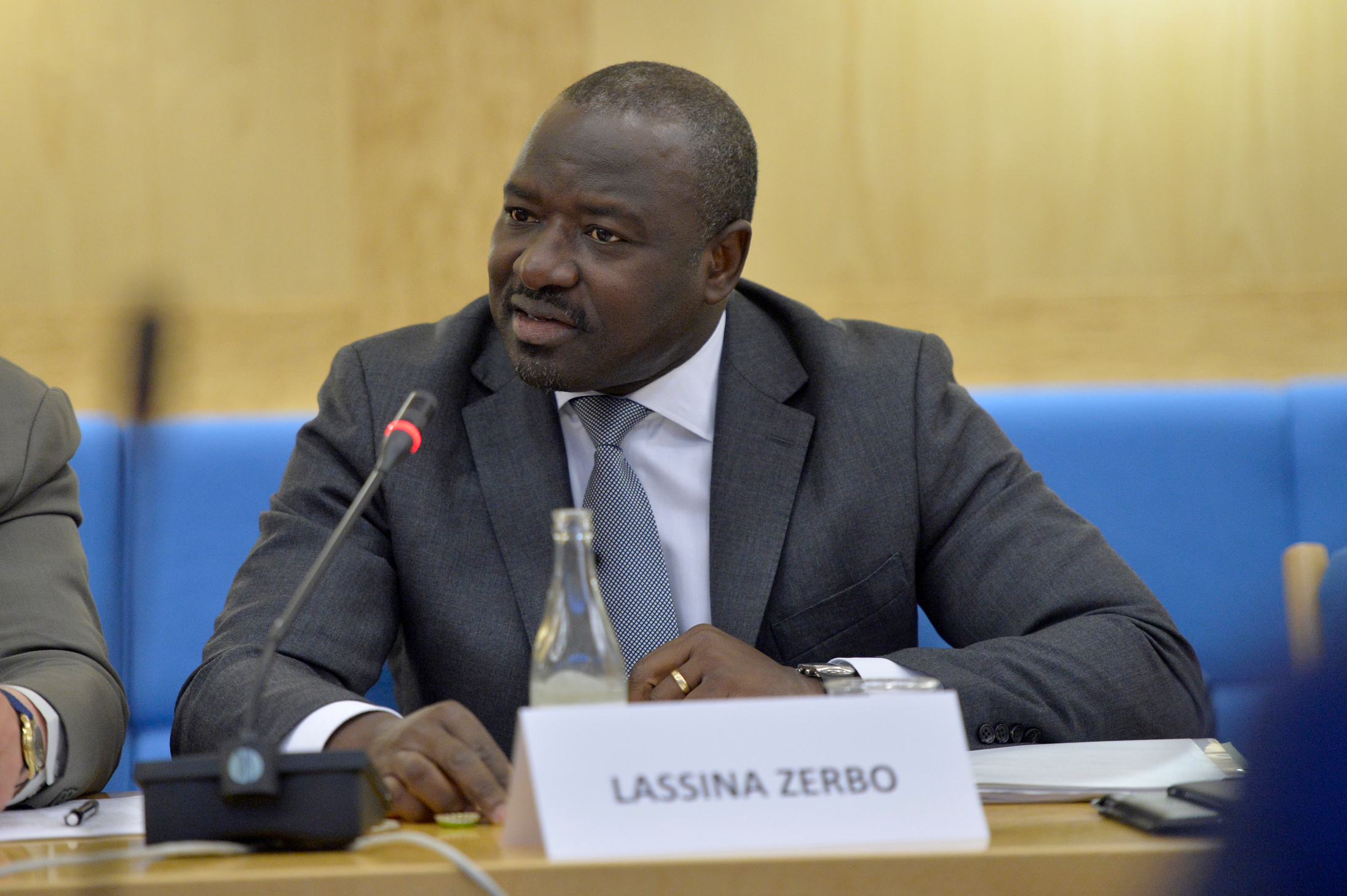
The argument for private-sector involvement is clear: while state-led initiatives are vital, the scale of investment required to build a modern energy infrastructure necessitates a multifaceted funding approach. By leveraging philanthropic capital to fund feasibility studies, workforce training, and safety frameworks, African nations can create a more attractive environment for international investors. This, in turn, helps to ensure that nuclear projects are not only technically sound but also financially sustainable over the long term.
Challenges and the Path Toward Safety
Despite the optimism, the transition to nuclear power is not without significant challenges. Critics and cautious observers frequently point to the high cost of construction, the complexities of radioactive waste management, and the need for robust, independent regulatory bodies. Transparency and public trust are essential components of any nuclear program, and African governments are under pressure to demonstrate that their move toward nuclear energy includes rigorous adherence to International Atomic Energy Agency (IAEA) safety standards. The IAEA provides extensive guidance on the “milestones” approach, which helps newcomer countries develop the necessary infrastructure, legal frameworks, and security protocols before moving toward reactor construction.
the development of a skilled local workforce is paramount. The shift toward a nuclear-capable energy sector requires a long-term investment in STEM education and specialized training programs. Many nations are currently exploring partnerships with academic institutions and experienced nuclear-operating countries to ensure that the knowledge transfer is comprehensive and that local expertise remains at the center of energy planning.
Looking Ahead: The Next Phase of Energy Planning
The conversation around nuclear energy in Africa is entering a critical phase of implementation. As more countries move from initial feasibility studies to concrete policy frameworks, the focus will increasingly shift toward site selection, environmental impact assessments, and long-term grid integration strategies. The next major checkpoint for these initiatives will be the upcoming regional energy forums, where member states are expected to present updates on their regulatory progress and potential project timelines.
For African nations, the goal is clear: to secure a future where energy is not a constraint on development, but a catalyst for it. Whether through the adoption of SMRs or participation in international research collaborations, the continent is positioning itself to play a significant role in the global nuclear energy landscape. As these programs mature, the world will be watching to see how Africa balances the promise of clean, reliable power with the necessary commitments to safety and regional security.
What are your thoughts on the role of nuclear energy in Africa’s industrial future? Join the conversation in the comments section below or share this report with your network.
Keep reading