The Future of the olympics: IOC Forms Working Groups Amidst Transgender Athlete Debate & Programme Evolution
The International Olympic Committee (IOC) is actively reshaping its approach to both athlete eligibility and the Olympic program itself. Recent announcements reveal the formation of dedicated working groups focused on critical areas – navigating the complex landscape of transgender athlete participation and strategically evolving the Games for future relevance. These moves come at a pivotal moment, marked by increasing scrutiny and political pressure surrounding fairness and inclusion in sports. Are these changes a proactive step towards a more inclusive future, or a reactive response to external forces? Let’s delve into the details.
A Shifting Landscape: The IOC’s New Strategy
For years, the IOC largely deferred to individual sports federations regarding gender regulations. This hands-off approach is now evolving. The newly established working groups signal a more centralized and proactive stance,aiming to provide clearer guidance and perhaps establish overarching principles. The composition of these groups remains confidential, a decision the IOC states is to “protect the integrity of the group and its work.” This secrecy, however, has already drawn some criticism, raising questions about transparency.
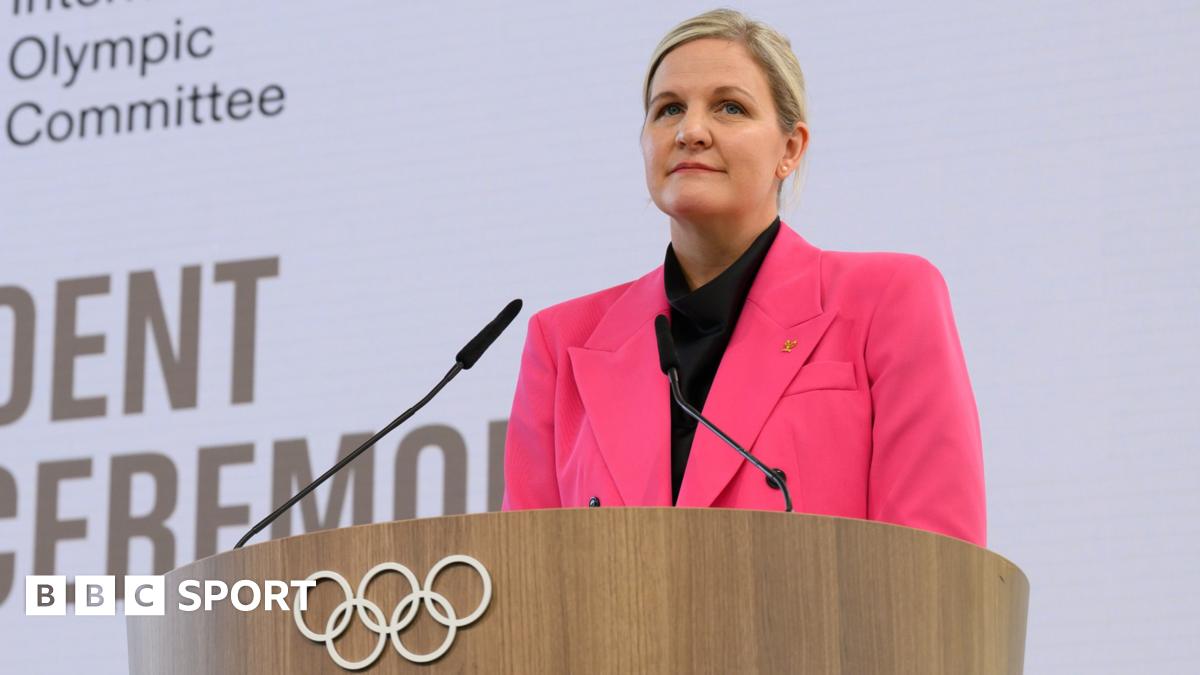
The IOC’s President, Kirsty Coventry, emphasized the groups will “allow us to meet deadlines, and bring important technical expertise to these complex and important discussions, while realigning where we feel that it is necessary to strengthen our movement.” This realignment is crucial, as the Olympic movement faces unprecedented challenges.
The Transgender Athlete Debate: A Global Flashpoint
the issue of transgender inclusion in sports has become increasingly contentious globally.A growing number of sports federations are implementing policies that restrict athletes who have undergone male puberty from competing in women’s elite competitions. This trend is fueled by concerns about competitive fairness and potential safety advantages.
The political dimension is also meaningful. In february 2024, former US President Donald Trump issued an executive order aiming to prevent transgender women from competing in female categories, specifically mentioning the 2028 Los Angeles Olympics and threatening visa denials. https://www.nbcnews.com/politics/white-house/trump-executive-order-transgender-athletes-rcna72497 This demonstrates the high stakes and the potential for political interference in sporting regulations.
Related Keywords: transgender athletes Olympics,gender identity in sports,fair play in sports,elite female competition,IOC transgender policy.
LSI Keywords: sports governance, athlete eligibility, competitive advantage, biological factors, gender affirmation.
Reimagining the Olympic Program: Beyond Traditional Boundaries
Beyond the immediate concerns surrounding athlete eligibility, the IOC is also undertaking a comprehensive review of the Olympic program itself. The Olympic Programme Working Group will assess the relevance of current disciplines, explore the integration of new sports, and even consider the possibility of cross-over events between traditional summer and winter games.
this exploration extends to the timing of the Games and the broader sports calendar. The IOC recognizes the need to adapt to a changing sporting landscape and ensure the Olympics remain a compelling and globally relevant event. This includes considering emerging sports like breaking (breakdancing), which will debut at the Paris 2024 Games.
Related Keywords: new Olympic sports, Olympic program review, future of the Olympics, sports calendar, youth Olympic Games.
LSI Keywords: sport innovation, audience engagement, global sports trends, Olympic legacy, event sustainability.
Practical Tip: Keep an eye on emerging sports gaining traction in youth culture. These are prime candidates for future olympic inclusion.
The Youth Olympic Games: Cultivating the Next Generation
The IOC is also placing increased emphasis on the Youth Olympic Games (YOG). A dedicated working group will focus on the potential and relevance of this event, and will take over the process of selecting the host for the 2030 edition. The YOG serves as a crucial platform for identifying and nurturing young talent, promoting Olympic values, and engaging a new generation of sports fans.
Actionable Advice: Sports organizations should actively explore opportunities to participate in the YOG to gain exposure and develop future athletes.
addressing Common Questions: Transgender Athletes & Olympic Inclusion
Here are answers to some frequently asked questions regarding the IOC’s evolving policies:
Q: Will the IOC implement a blanket ban on transgender athletes?
A: Currently, the IOC is not advocating for a blanket ban. Instead, they are focusing on developing a framework
Keep reading