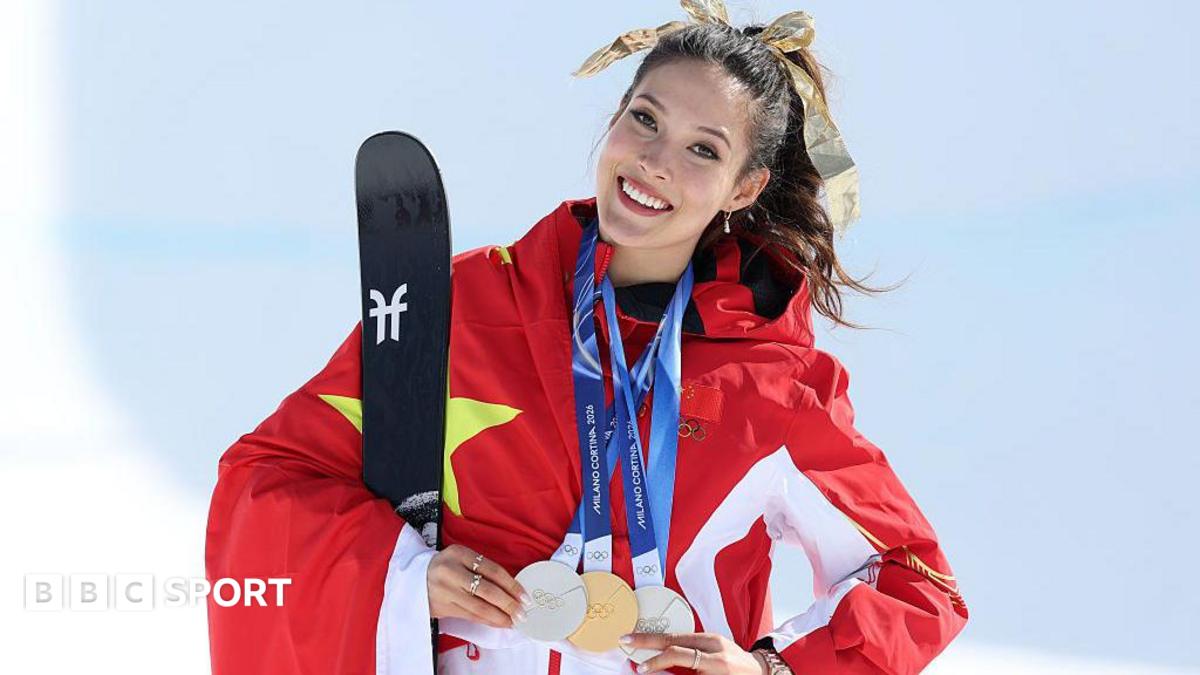
The International Olympic Committee (IOC) has introduced a new financial support program providing a $10,000 grant to every athlete who qualifies for the Olympic Games. This initiative, officially titled the “Olympian Grant,” aims to assist competitors with their final preparations and participation costs, marking a significant shift in how the organization provides direct financial aid to individual athletes on the world stage, according to the official announcement from the International Olympic Committee.
For athletes across the globe, this $10,000 grant represents a guaranteed financial baseline for every edition of the Games in which they compete. The funding is designed to be accessible to all qualified Olympians, regardless of their sport or national governing body’s internal resources. By standardizing this support, the IOC intends to reduce the financial barriers that often hinder athletes during the final, high-pressure months of Olympic preparation.
Understanding the Olympian Grant Structure
The funding model is straightforward: any athlete who secures a spot in the Olympic Games is eligible to apply for the $10,000 disbursement. This grant is per-Games, meaning athletes who qualify for multiple cycles can access the support for each individual event. According to the IOC’s published policy, the objective is to provide a consistent safety net that helps cover essential expenses such as travel, specialized training equipment, nutrition, and coaching fees.
This program operates independently of other existing funding streams, such as Olympic Solidarity scholarships or national-level stipends. While many high-profile athletes benefit from commercial sponsorships, a large portion of the Olympic field relies on personal savings or family support to reach the Games. The IOC’s introduction of this grant acknowledges the reality that the cost of reaching peak athletic performance often exceeds the resources available to many individual competitors.
Why This Financial Support Matters
The introduction of the $10,000 grant addresses a long-standing critique regarding the financial sustainability of the Olympic model for non-professional or fringe-sport athletes. Historically, the burden of funding has rested heavily on National Olympic Committees (NOCs) and private sponsors. By providing a direct grant, the IOC is creating a universal floor for financial support that was previously inconsistent across different countries and sports disciplines.

This move is particularly impactful for athletes from smaller nations or sports with limited commercial appeal. In many cases, these individuals have had to balance full-time employment with professional-grade training regimens. The IOC leadership has stated that this initiative is part of a broader commitment to athlete welfare and ensuring that the Olympic experience is accessible to the world’s best talent, rather than just those with the most robust private funding.
Eligibility and Application Process
To receive the funds, athletes must meet the formal qualification standards for their respective sports as set by the International Federations and ratified by the IOC. The application process is managed through the Athlete365 platform, the digital hub established by the IOC to provide resources, career guidance, and support services to Olympians.
Athletes are encouraged to monitor their Athlete365 accounts for specific deadlines and documentation requirements for upcoming Games. Because the grant is tied to the act of competing, the disbursement schedule is typically aligned with the qualification milestones leading into the opening ceremonies. This ensures that the capital reaches the athletes at the moment of their greatest financial need—the final training block before competition.
Comparing Support Models
The transition toward direct grants marks a departure from the traditional, more fragmented approach to athlete compensation. Previously, financial aid was often distributed through merit-based scholarships or via national bodies, which created significant disparities between athletes from wealthy nations and those from developing ones. The following table highlights the shift in the support landscape:
| Feature | Previous Model | New Olympian Grant |
|---|---|---|
| Distribution | NOC/Scholarship-dependent | Direct to Athlete (via IOC) |
| Eligibility | Performance/Potential-based | Qualification-based (Universal) |
| Funding Amount | Variable | Fixed ($10,000) |
This shift toward a universal grant system simplifies the financial landscape for athletes. It removes the ambiguity of “potential-based” funding and replaces it with a concrete benefit that triggers automatically upon qualification. By centralizing this process, the IOC is also able to gather better data on the financial needs of its athlete population, which may inform future welfare policies.
What Happens Next for Olympians
The immediate next step for current and prospective Olympians is to verify their eligibility status through their respective National Olympic Committees and the Athlete365 portal. As the qualifying periods for upcoming international competitions continue, athletes should ensure their contact information and banking details are current within the IOC’s secure systems to prevent delays in processing.
The IOC has indicated that they will provide ongoing updates regarding the distribution timeline for the grant as the qualification cycle for the next Games progresses. Athletes who have questions regarding specific tax implications or local regulations concerning this grant are advised to consult with their national governing body’s legal or financial representatives. For the latest official bulletins and to manage grant applications, athletes should visit the Athlete365 portal regularly. Please feel free to share your thoughts on this development in the comments section below.
Keep reading
- David Ospina Contract Terminated by Atlante FC Without Playing a Match
- British Gymnastics Stars Reveal Unfiltered Truths Ahead of 2026 European Championships
- The Antideficiency Act, Explained: The Law Behind Every Shutdown (daybreakwire.com)
- Prosecuting Asia-Pacific Crimes: Universal Jurisdiction & The Future Crimes Against Humanity Convention (archyworldys.com)