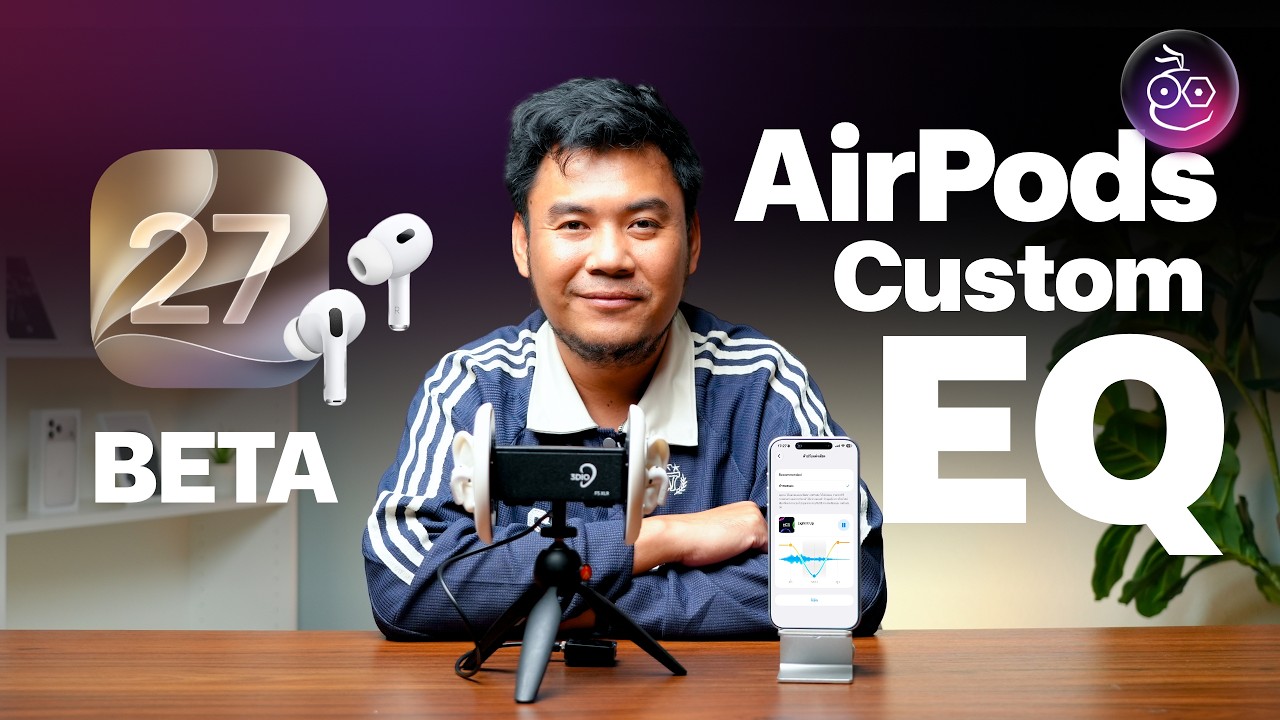
Apple has introduced a new custom equalizer (EQ) feature for AirPods within the latest developer preview of its mobile operating system, providing users with unprecedented control over their listening experience. This functionality, appearing in the current beta cycle, allows users to manually adjust frequency bands to tailor audio output to their personal preferences, moving beyond the static presets previously offered in the iOS environment. While Apple has not yet released a public version, developers currently testing the software have identified these granular sound controls as a significant shift in how the company manages audio profiles for its wearable hardware.
The addition of a custom EQ tool addresses a long-standing request from audiophiles and casual listeners alike who have sought more flexibility with the sound signature of their AirPods. Historically, Apple has limited sound customization to a set of pre-configured “EQ” profiles found within the Settings app, which were designed to optimize audio based on specific genres like “Bass Booster” or “Treble Reducer.” By enabling manual frequency adjustment, Apple is signaling a move toward a more personalized audio ecosystem that competes more directly with third-party headphones that have long featured dedicated companion apps for sound tuning.
How the Custom EQ Functions
The new interface allows users to manipulate individual frequency sliders, effectively creating a custom sound profile that can be saved and applied to their connected AirPods. According to initial reports from developers testing the beta software, the interface presents a series of sliders—typically ranging from low to high frequencies—that provide real-time feedback as the user adjusts the levels. This implementation mirrors the functionality found in professional-grade digital audio workstations, condensed into a user-friendly format suitable for mobile devices.

For this feature to function, the AirPods must be connected to a device running the latest beta firmware, as the processing for these adjustments is handled at the system level. This ensures that the custom EQ settings remain consistent, regardless of whether the user is listening to music through Apple Music, podcasts, or third-party streaming services. The integration within the iOS settings menu suggests that Apple intends for this to be a native, system-wide enhancement rather than a feature restricted to its own applications.
Impact on AirPods Compatibility
While the feature is currently in testing, it is expected to be compatible with a broad range of existing AirPods models, including the AirPods Pro and the AirPods Max. The technical requirement for such a feature relies heavily on the H1 and H2 chips found in modern Apple audio hardware, which facilitate low-latency audio processing. As noted in Apple’s official documentation regarding AirPods firmware updates, the company frequently rolls out new software-based capabilities to existing hardware to extend product longevity and enhance user utility.
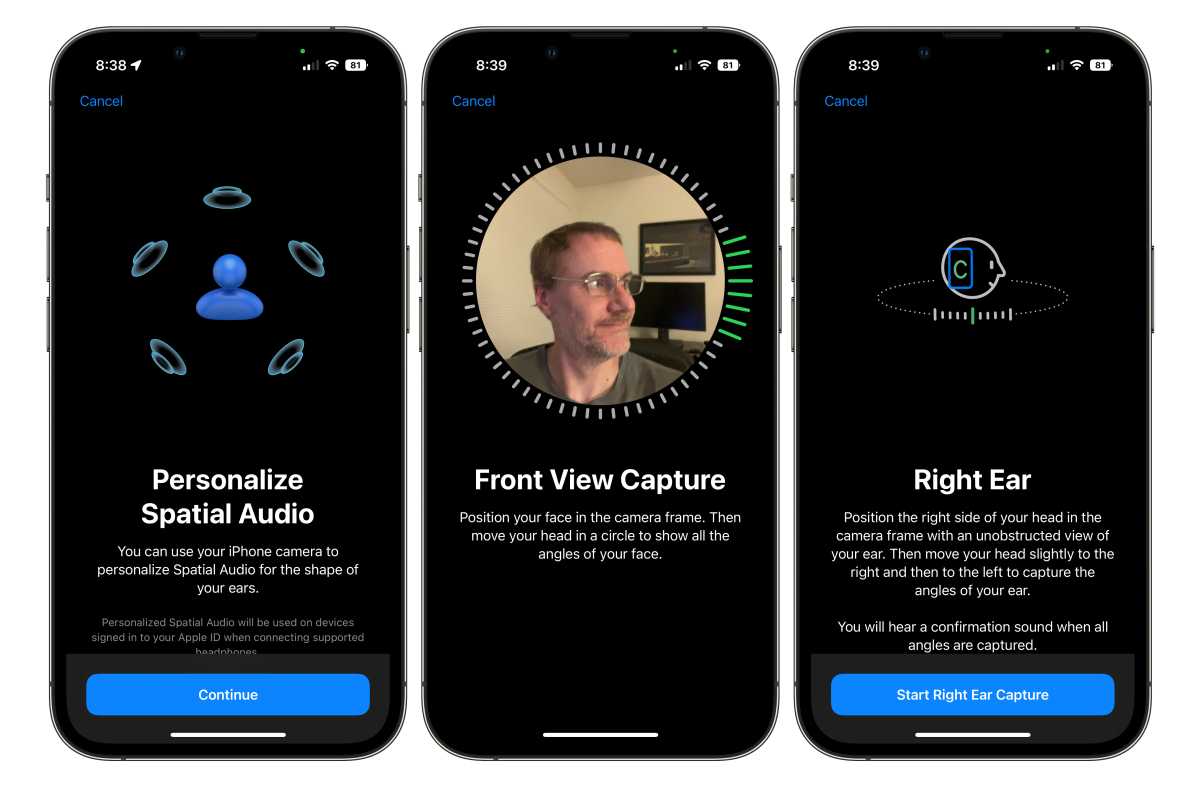
It remains unclear whether the feature will be limited to specific tiers of the AirPods lineup. However, given the hardware-level processing required for real-time frequency adjustment, it is likely that the feature will prioritize models that already support advanced features like Personalized Spatial Audio. Users should monitor the official Apple Developer portal for future release notes regarding compatibility and feature availability as the beta cycle progresses toward a public launch.
Why Personalized Audio Matters
The shift toward user-controlled EQ settings reflects a broader trend in the consumer electronics industry toward personalization. Every individual perceives sound differently, and the ability to compensate for personal hearing preferences or specific ear canal shapes can drastically improve the listening experience. By providing these tools, Apple is acknowledging that a “one-size-fits-all” audio profile is increasingly insufficient for a diverse global user base.
Furthermore, this development aligns with Apple’s ongoing efforts to integrate health and accessibility features into its core product lines. Similar to the “Audiogram” support found in the Health app, which allows users to import hearing test results to customize their audio, this manual EQ feature provides a more hands-on approach to sound management. It represents a balance between the simplicity Apple is known for and the technical depth requested by its power users.
What Happens Next
As the beta testing phase continues, Apple will likely refine the interface and stability of the custom EQ tool based on diagnostic feedback from developers. The next major checkpoint will be the public beta release, which typically precedes the final software rollout to all compatible devices. Users interested in testing these features early should be aware that beta software can contain bugs and may impact battery life or connectivity stability. Official updates on the release schedule will be provided via the Apple Newsroom as the company approaches the final launch date for the upcoming OS version.
For those currently participating in the developer program, it is recommended to provide feedback through the Feedback Assistant app to help engineers address any performance issues before the final version becomes available. We will continue to monitor these developments as they evolve. Please feel free to share your thoughts or questions in the comments section below.
Keep reading