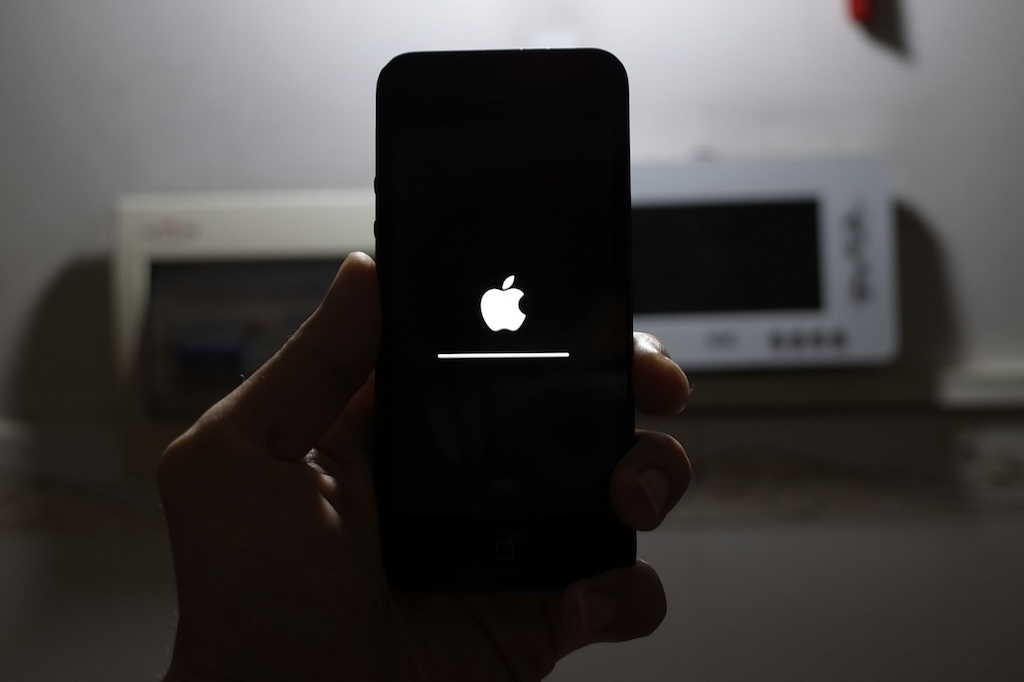
Apple is reportedly developing a new recovery mode for its upcoming mobile operating system, internally referred to as iOS 27, which would allow users to restore or repair an iPhone entirely on-device without requiring a secondary computer. This shift represents a significant move toward increasing user autonomy for device maintenance, potentially reducing the need for physical support visits or external hardware connections when software errors occur.
As the primary interface for millions of users, the iPhone’s recovery process has traditionally relied on a wired connection to a Mac or PC via Finder or iTunes. According to industry reports, this new functionality aims to streamline the recovery process, allowing the device to initiate its own system restoration protocols independently. This aligns with broader industry trends toward making consumer electronics more resilient and easier to manage without specialized technical equipment.
Independent Device Restoration and System Integrity
The core of this anticipated update involves a self-contained environment that can boot even if the primary operating system is corrupted or fails to initialize. By embedding recovery tools directly into the device’s firmware, users may soon be able to download necessary system images over a network connection directly to the iPhone. This functionality is expected to rely on a secure partition, a concept previously utilized in desktop environments but adapted for the constraints of mobile hardware.

The technical feasibility of such a feature is supported by Apple’s long-standing focus on its Secure Enclave and hardware-level security measures, which manage sensitive boot processes. By enabling the device to handle its own recovery, the company appears to be addressing the logistical challenges faced by users in regions where access to secondary computers or professional service centers is limited. This move is consistent with the company’s recent efforts to provide more robust Self Service Repair options, which have expanded significantly over the past several years.
Longevity and Software Support Strategies
Beyond recovery capabilities, analysts have noted that Apple’s approach to iOS 27 focuses heavily on extending the lifecycle of older hardware. Recent updates have shown a deliberate effort to optimize performance for devices that are several years old, ensuring that core functionalities remain responsive. This strategy is often interpreted as a means to maintain a large, active user base across various hardware generations, which in turn supports the company’s services-led business model.
For users with devices dating back as far as seven years, the ability to perform an independent recovery could be the difference between a functional phone and an e-waste statistic. By lowering the barrier to entry for troubleshooting, the company is effectively extending the useful life of its products. This focus on long-term software support is a critical component of the company’s broader sustainability goals, which are outlined in its annual Environmental Progress Report.
Improving User Experience Through Self-Reliance
The transition toward more independent troubleshooting tools also serves to reduce the burden on professional support staff. By allowing users to resolve common software-related issues—such as failed updates or boot loops—without external intervention, the company can prioritize in-store and remote technical support for more complex hardware failures. This creates a tiered system where basic software recovery becomes a user-led task, while hardware repairs continue to require authorized expertise.
It is important to note that these features are currently in the development phase. While industry observers anticipate these changes will be integrated into the upcoming major release, the company has yet to provide an official timeline for the rollout. Users are encouraged to monitor the Apple Developer website for official announcements regarding upcoming beta programs and feature documentation.
As the mobile ecosystem continues to mature, the focus on device resilience is likely to become a central theme for major platform providers. Providing users with the tools to manage their own devices not only improves the overall experience but also aligns with evolving consumer expectations regarding the right to repair and device longevity. Please feel free to share your thoughts on these upcoming changes in the comments section below.
Related reading