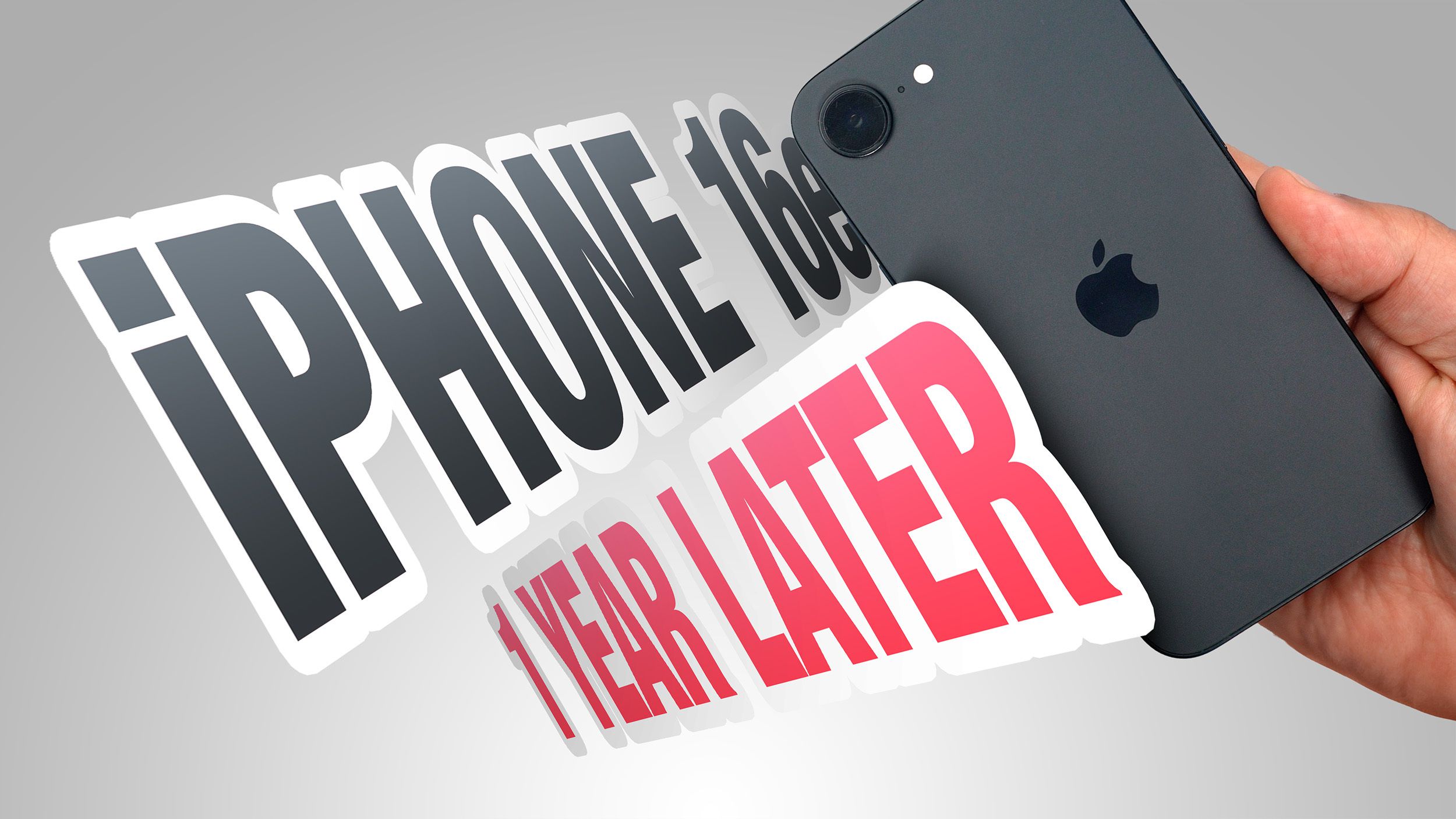
San Francisco – One year ago today, Apple redefined its entry-level iPhone strategy with the launch of the iPhone 16e. Replacing the long-standing iPhone SE, the 16e brought a more modern design, a significant performance boost, and, crucially, support for Apple Intelligence to a more accessible price point. The move signaled a shift away from the smaller form factor and older technology that defined the SE line, and towards integrating the core iPhone experience for a wider range of consumers. The iPhone 16e’s arrival wasn’t simply a product update; it represented a recalibration of Apple’s approach to affordability in a competitive smartphone market.
Announced on February 19, 2025, in a press release, Apple positioned the iPhone 16e as a core member of the iPhone 16 family, rather than a continuation of the iPhone SE brand. This decision underscored the company’s commitment to offering a compelling, feature-rich experience even at its lower price tiers. Pre-orders opened shortly after the announcement, with the device becoming available the following week. The launch generated considerable discussion, particularly regarding the price increase compared to the previous iPhone SE models, and whether the added features justified the cost for budget-conscious buyers. The iPhone 16e’s introduction also coincided with a broader industry trend of manufacturers focusing on delivering advanced features in more affordable devices.
The iPhone 16e’s specifications marked a clear upgrade over its predecessor. It adopted a design language similar to the iPhone 13, featuring a 6.1-inch Super Retina XDR OLED display with a resolution of 2532×1170 pixels at 460 ppi. This represented a substantial improvement over the iPhone SE’s 4.7-inch Retina HD LCD. The 16e also incorporated a frosted glass back and a USB-C port, aligning it with the broader industry shift towards the universal charging standard. While retaining a familiar “notch” for the TrueDepth camera system – a feature absent in the higher-end iPhone 16 models with their Dynamic Island – the 16e offered a more immersive and visually appealing experience than the iPhone SE.
A Recent Chip and the Promise of Apple Intelligence
At the heart of the iPhone 16e lies the A18 chip, a six-core CPU paired with a four-core GPU and a 16-core Neural Engine. This processor delivered a significant performance leap over the A15 Bionic chip found in the iPhone SE (2022), enabling smoother multitasking, faster app loading times, and improved graphics performance. However, the most significant aspect of the A18 chip was its ability to support Apple Intelligence, Apple’s suite of generative AI features. Macworld highlighted this as a key differentiator, bringing advanced AI capabilities to a more affordable iPhone for the first time. Apple Intelligence features, such as enhanced photo editing, smarter Siri interactions, and improved text summarization, were designed to enhance the user experience across a range of applications.
The integration of Apple Intelligence into the iPhone 16e marked a pivotal moment for the technology. While the full potential of generative AI on mobile devices is still unfolding, the 16e provided a platform for users to experience these capabilities firsthand. The 16-core Neural Engine within the A18 chip played a crucial role in accelerating AI tasks, allowing for faster processing and more responsive interactions. This move also positioned Apple to compete more effectively with other smartphone manufacturers who were increasingly incorporating AI features into their devices.
Camera and Connectivity Enhancements
The iPhone 16e featured a 48-megapixel Fusion camera system, a substantial upgrade from the 12-megapixel camera in the iPhone SE (2022). This allowed for detailed photos and videos, as well as optical-quality 2x zoom through sensor cropping. The front-facing TrueDepth camera remained at 12 megapixels and continued to support Face ID for secure authentication. The camera improvements were a significant selling point for the 16e, appealing to users who prioritize photography and videography. The ability to capture high-resolution images and videos, combined with the advanced image processing capabilities of the A18 chip, resulted in a noticeably improved camera experience.
Beyond the camera, the iPhone 16e also introduced several connectivity enhancements. It was the first Apple device to include an Apple-designed modem, the C1 chip, promising improved 5G performance and efficiency. The device also supported 5G Superfast cellular connectivity and offered up to 26 hours of video playback on a single charge. However, one notable omission was MagSafe connectivity, a feature found on many other iPhone models. The lack of MagSafe may have been a drawback for some users who rely on wireless charging and magnetic accessories. The transition to USB-C, however, was a welcome change, offering faster data transfer speeds and compatibility with a wider range of accessories.
Looking Ahead: The iPhone 17e and Beyond
As the iPhone 16e celebrates its one-year anniversary, attention is already turning to its successor, the iPhone 17e. Apple is widely expected to unveil the new model next week at a special “Apple Experience” event in New York, London, and Shanghai. Rumors suggest the iPhone 17e will feature the A19 chip, the C1X modem, and the addition of MagSafe connectivity, addressing one of the key criticisms of the 16e. The N1 wireless chip is also rumored to be included, potentially enhancing wireless performance. Perhaps most importantly, reports indicate that the iPhone 17e will maintain the same starting price of $599, making it an even more compelling option for budget-conscious consumers.
The anticipated inclusion of MagSafe in the iPhone 17e would address a significant gap in the 16e’s feature set, bringing it more in line with other iPhone models. The A19 chip is expected to deliver further performance improvements, while the C1X modem could offer even faster 5G speeds. Maintaining the $599 price point would solidify Apple’s commitment to providing an affordable iPhone experience without compromising on key features. The iPhone 17e is poised to build upon the success of the 16e, further expanding Apple’s reach in the competitive smartphone market.
Key Takeaways
- The iPhone 16e marked a significant departure from the iPhone SE line, offering a more modern design and enhanced features.
- The A18 chip and support for Apple Intelligence were key differentiators, bringing advanced AI capabilities to a more affordable iPhone.
- The 48-megapixel Fusion camera system represented a substantial upgrade over the iPhone SE’s camera.
- The iPhone 16e was the first Apple device to include an Apple-designed modem, the C1 chip.
- The upcoming iPhone 17e is expected to address some of the 16e’s shortcomings, including the lack of MagSafe connectivity.
The launch of the iPhone 16e demonstrated Apple’s willingness to adapt its strategy to meet the evolving needs of consumers. By offering a compelling combination of features, performance, and affordability, Apple successfully positioned the 16e as a viable alternative to other entry-level smartphones. As the company prepares to unveil the iPhone 17e, it will be interesting to see how it continues to innovate and refine its approach to the affordable smartphone market. The event in New York, London, and Shanghai next week promises to provide further insights into Apple’s future plans.
Stay tuned to World Today Journal for comprehensive coverage of Apple’s upcoming event and our in-depth review of the iPhone 17e. We’ll bring you the latest news, analysis, and insights as they develop. Share your thoughts on the iPhone 16e and your expectations for the iPhone 17e in the comments below.
Keep reading