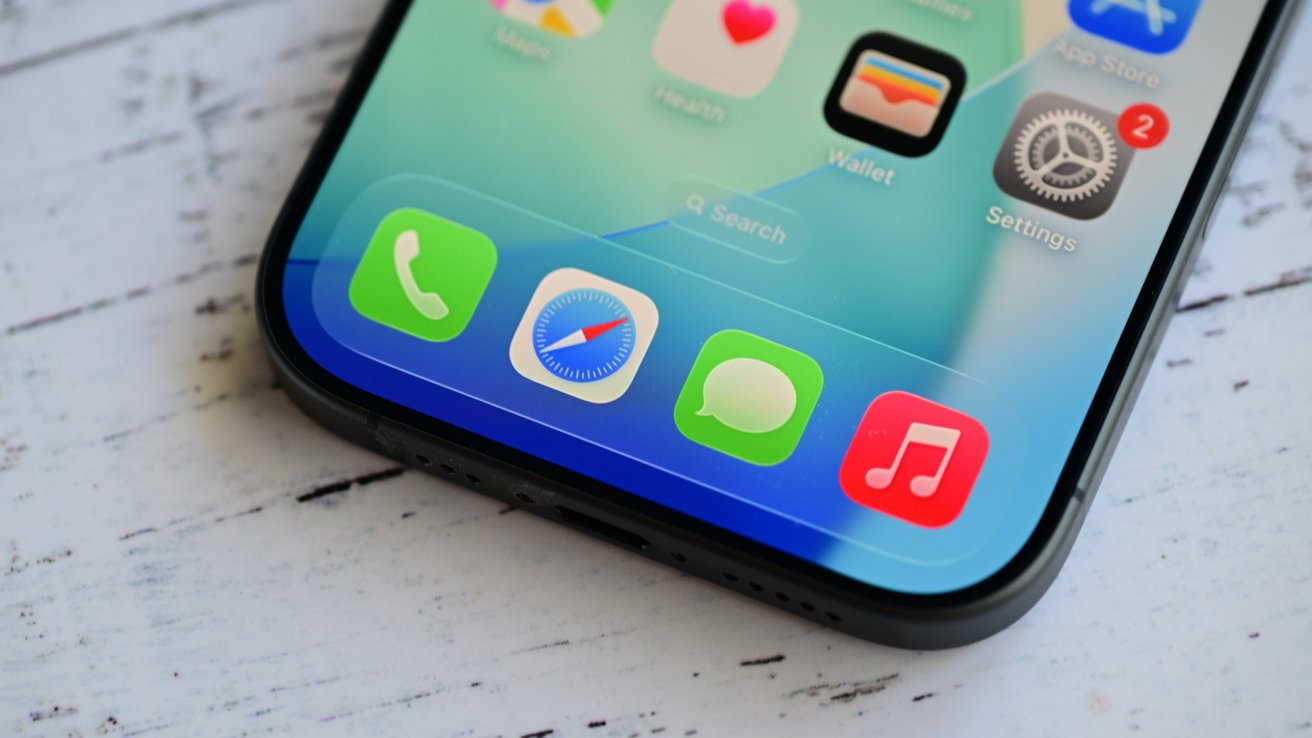
iPhone 17 Demand Surges: How chinese subsidies are Reshaping apple’s Sales Landscape
Did You Know? As of September 19, 2025, early indicators suggest the iPhone 17 is experiencing an unexpectedly strong start, potentially altering Apple’s traditional sales cycle. This is largely attributed to a confluence of factors, most notably, a supportive subsidy program within China.
The latest reports indicate a significant upswing in demand for the upcoming iPhone 17, fueled by a strategic subsidy program implemented in China.This surge in pre-orders has prompted Apple to request suppliers to increase production by as much as 40% – a remarkable advancement considering the typical sales patterns observed in September. This isn’t just about increased sales numbers; it signifies a potential shift in Apple’s market dynamics, particularly at the more accessible price points. The impact of these subsidies, combined with evolving consumer preferences, is creating a unique opportunity for Apple to solidify its position in a crucial global market. This article will delve into the specifics of this situation, examining the role of Chinese government incentives, the implications for Apple’s sales strategy, and what this means for consumers.
The Chinese Subsidy Program: A Catalyst for iPhone 17 sales
The core driver behind this unexpected demand is a recently expanded subsidy program within China aimed at boosting domestic consumption of specific technology products, including smartphones. While details are nuanced and subject to change, the program effectively lowers the cost of eligible devices for Chinese consumers. According to recent analysis from counterpoint Research (September 2025),smartphone subsidies in China are projected to increase by 15% year-over-year,reaching a total value of $28 billion. This represents a significant incentive for consumers to upgrade thier devices, and Apple’s iPhone 17 is a key beneficiary.
pro Tip: Keep an eye on official announcements from the Chinese Ministry of Commerce for the most up-to-date information on subsidy eligibility and program details. These programs can change rapidly.
Historically,Apple’s September iPhone launches are primarily propelled by demand for the Pro and Pro Max models,catering to a premium segment of the market. The standard iPhone model, like the iPhone 17, typically gains traction after the initial rush subsides, becoming a significant sales driver in the January-March quarter. Though,the current situation is markedly different. The Chinese subsidies are effectively broadening the appeal of the iPhone 17, attracting a wider customer base and accelerating its sales velocity. This is a departure from the usual pattern, and it suggests that Apple may need to adjust its production and distribution strategies accordingly.
Shifting Sales Dynamics: A New Apple Sales Cycle?
The 40% production increase request to suppliers is a strong indicator of Apple’s confidence in the iPhone 17’s early performance. This isn’t simply a reaction to higher-than-expected pre-orders; it’s a proactive move to capitalize on a unique market opportunity.Industry analyst Ming-Chi Kuo, in a recent report (September 18, 2025), noted that the iPhone 17 is currently outpacing pre-order numbers for the iPhone 15 by approximately 25% in China.
This shift has several implications:
* Increased Market Share: Apple could potentially gain a larger share of the Chinese smartphone market, a fiercely competitive landscape dominated by domestic brands like Huawei, xiaomi, and Oppo.
* Inventory Management Challenges: Meeting the increased demand will require careful inventory management and coordination with suppliers. Any disruptions in the supply chain could limit Apple’s ability to fully capitalize on the opportunity.
* Potential Impact on iPhone 17 Pro Sales: While the iPhone 17 is experiencing a surge in demand, it remains to be seen whether this will cannibalize sales of the higher-end Pro models. early data suggests that Pro model pre-orders remain strong, but the overall sales mix may shift.
* Strategic Pricing adjustments: Apple may consider adjusting pricing strategies in other markets to maintain competitiveness and balance global demand.
| Feature | iPhone 17 (Estimated) | iPhone 16 (2024)
Worth a look |
|---|