
As the technology industry turns its attention toward the autumn release cycle, anticipation is mounting for the next evolution of Apple’s flagship imaging hardware. The upcoming iPhone 18 Pro and iPhone 18 Pro Max, expected to debut in September, are rumored to introduce significant shifts in how the devices handle light and depth, signaling a move toward more professional-grade manual control for mobile photographers.
While Apple typically iterates on its camera systems with incremental sensor improvements or computational software updates, the latest reports suggest a more fundamental change to the physical hardware. The centerpiece of this transition is the rumored integration of a variable aperture system in the main camera, a feature that could fundamentally alter the creative possibilities for users of the Pro lineup.
This hardware shift arrives alongside broader refinements to the device’s physical footprint and display technology. From a redesigned Dynamic Island to a new power-efficient screen architecture, the iPhone 18 Pro appears to be positioning itself as a tool for both high-end content creators and general consumers who demand a more versatile camera experience.
The Shift to Variable Aperture Technology
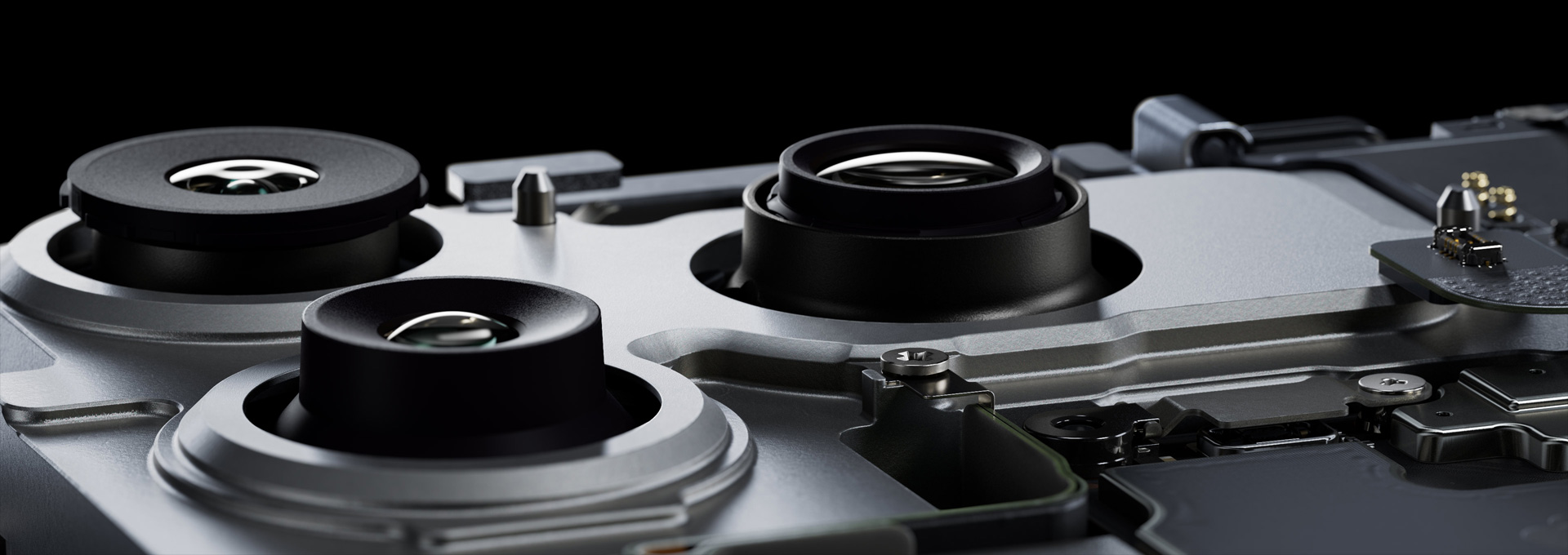
The most significant rumor surrounding the iPhone 18 Pro is the introduction of a variable aperture system for the main 48-megapixel Fusion camera. In traditional smartphone photography, the aperture—the opening that allows light to enter the sensor—is fixed. This means the camera relies heavily on software (computational photography) to simulate effects like background blur, known as bokeh.

A variable aperture allows the user to physically adjust the size of the lens opening. By narrowing the aperture, a photographer can increase the depth of field, ensuring more of the scene remains in sharp focus. Conversely, widening the aperture allows more light to hit the sensor, which is critical for low-light performance and creating a natural, optical blur in the background of portraits according to reports on rumored features.
For the iPhone 18 Pro, this means greater manual control over exposure and depth of field. While the physical size of smartphone sensors remains a constraint compared to full-frame DSLRs, a variable system provides a level of optical flexibility that software alone cannot perfectly replicate. This development suggests Apple is catering to a segment of users who prefer “optical truth” over AI-generated approximations of depth.
Display Innovations and the ‘LTPO+’ Standard
Beyond the lens, Apple is expected to update the visual interface of the Pro models. The iPhone 18 Pro and Pro Max are rumored to maintain their 6.3-inch and 6.9-inch display sizes, but will reportedly implement a new “LTPO+” display technology as detailed in recent feature leaks.
LTPO (Low-Temperature Polycrystalline Oxide) technology has long allowed iPhones to vary their refresh rates to save battery life—dropping to 1Hz for the Always-On display and ramping up to 120Hz for smooth scrolling. The “Plus” iteration of this technology is expected to further optimize power consumption, potentially extending the battery life of the Pro models without sacrificing brightness or fluidity.
Complementing the screen tech is a rumored redesign of the Dynamic Island. Reports indicate that Apple may move the Face ID flood illuminator beneath the screen. This hardware shift would allow for a physically smaller Dynamic Island, increasing the usable screen real estate and reducing the visual intrusion of the sensor cutout.
Aesthetic Changes and Market Positioning
Apple is also expected to refresh the color palette for the iPhone 18 Pro series. The standout addition is rumored to be a “Dark Cherry” special edition color, which would join a standard lineup of Light Blue, Dark Gray and Silver per current rumors. This move coincides with the expected discontinuation of previous hues, such as Cosmic Orange and Deep Blue.
These changes, combined with the variable aperture and LTPO+ displays, indicate a strategy of “professionalization.” By providing tools that mimic traditional photography hardware and improving the efficiency of the display, Apple is reinforcing the “Pro” branding, distinguishing these models from the standard iPhone lineup through tangible hardware capabilities rather than just software tiers.
Summary of Rumored iPhone 18 Pro Specifications
| Feature | Rumored Specification |
|---|---|
| Main Camera | 48MP Fusion with Variable Aperture |
| Display Tech | LTPO+ for enhanced battery efficiency |
| Display Sizes | 6.3-inch and 6.9-inch |
| Front Interface | Smaller Dynamic Island (Under-screen flood illuminator) |
| New Color | Dark Cherry |
As we approach the traditional September launch window, the focus will likely shift toward how these hardware components integrate with the next version of iOS. The synergy between a variable aperture and Apple’s image processing pipelines will be the true test of whether this represents a generational leap in mobile photography.
The next confirmed checkpoint for these devices will be Apple’s official hardware event, typically held in September, where the final specifications and pricing for the iPhone 18 Pro and Pro Max will be announced.
Do you think variable aperture is the feature that will finally bridge the gap between smartphones and professional cameras? Share your thoughts in the comments below.
Keep reading