
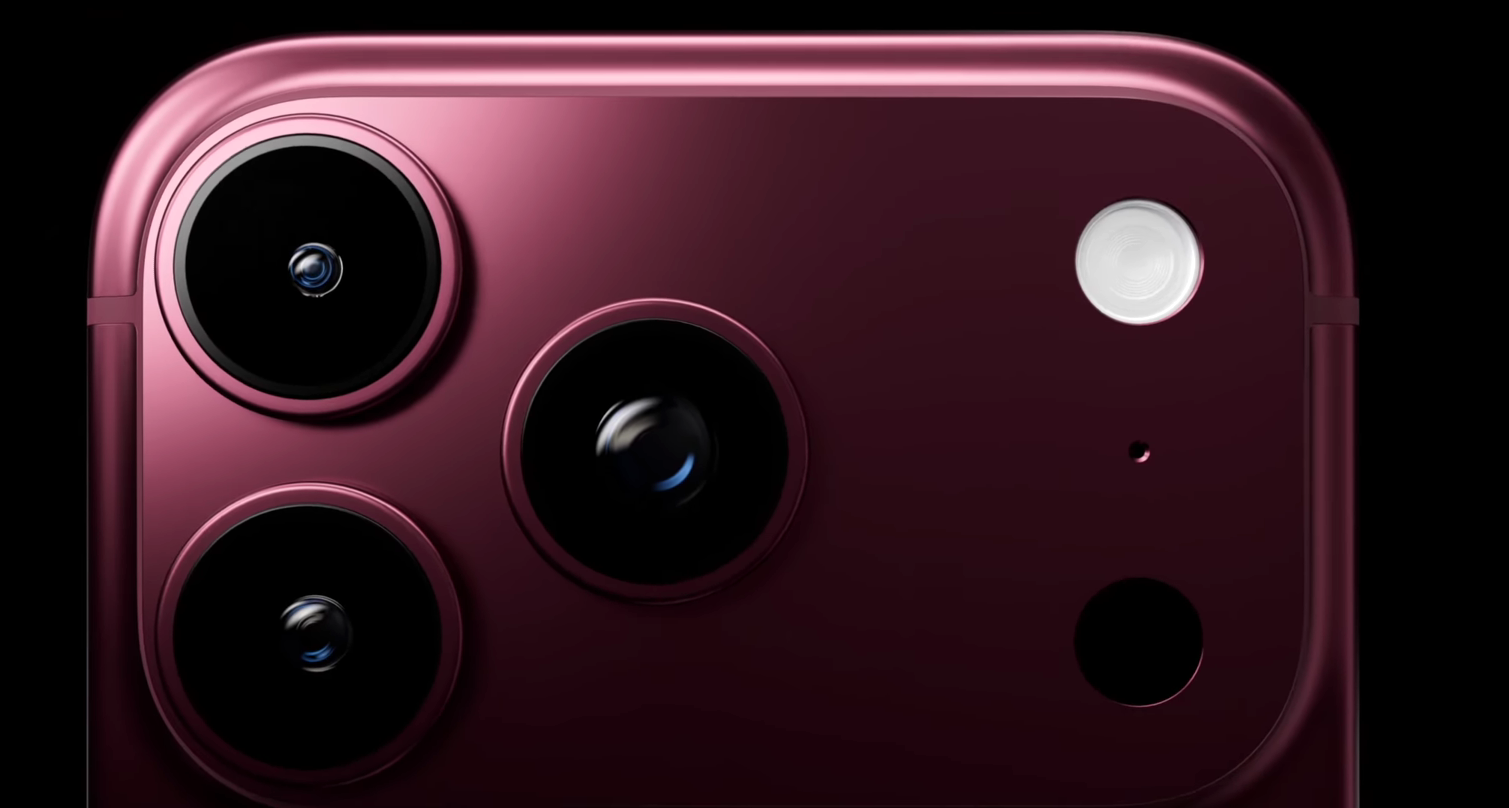
Apple continues to refine its flagship smartphone strategy as industry analysts and supply chain reports point toward a significant hardware evolution for the iPhone 18 Pro Max. While Apple has not officially confirmed specifications for its 2026 lineup, persistent reports regarding the transition to 2-nanometer chip architecture suggest a focus on efficiency. These anticipated changes arrive as the company works to integrate more robust on-device artificial intelligence capabilities, potentially reshaping how users interact with the iOS ecosystem.
The development of the A20 Pro chip, expected to be built on a 2nm process, remains the most significant technical hurdle and opportunity for Apple’s upcoming flagship. Transitioning to a smaller process node is essential for maintaining the performance-per-watt gains that have defined the A-series lineup. A 2nm process allows for a higher density of transistors, which is critical for supporting the complex neural processing units (NPUs) required for next-generation Siri and other localized AI tasks.
The Evolution of Display Technology and the Dynamic Island
The Dynamic Island is reportedly slated for further physical reduction in the iPhone 18 series. By refining the TrueDepth camera array and proximity sensor layout, Apple aims to increase the active screen area, offering a more immersive experience for media consumption and multitasking. This follows a long-term design trend at Apple of minimizing screen interruptions, moving from the original “notch” to the current pill-shaped cutout.
While the exact dimensions of this reduction remain speculative, supply chain experts suggest that the integration of under-display components is a primary focus for Apple’s hardware engineering teams. The goal is to retain the functional utility of the Dynamic Island—which currently serves as an interface for background activities and system notifications—while reducing its visual footprint on the front-facing glass. This design iteration aligns with Apple’s broader goal of creating a “borderless” iPhone aesthetic, a concept that has been a design target for the company for several years.
A20 Pro Chip: Powering Advanced On-Device AI
The shift to a 2nm A20 Pro processor is not merely about raw benchmark scores; it is fundamentally about facilitating the next generation of generative AI. Current industry trends indicate that Apple is prioritizing “on-device” processing to ensure user privacy and reduce reliance on cloud-based servers. By moving heavy computational workloads to the local hardware, the A20 Pro would allow Siri to handle complex, multi-step requests without the latency typically associated with network-based responses.
The Apple Newsroom consistently emphasizes that privacy is a core pillar of their product development. By leveraging a 2nm node, the company can pack more specialized logic into the chip to handle large language models (LLMs) securely. This shift is essential for the future of the iPhone 18 Pro Max, as the demand for real-time AI processing continues to grow among premium smartphone users who expect both speed and data security.
What to Expect in the Coming Cycles
As we look toward the 2026 release cycle, the technology industry is closely watching for official announcements from Apple regarding their manufacturing roadmaps. Typically, Apple holds its primary hardware event in September, where the company details the specifications of its new flagship devices. Between now and then, investors and tech enthusiasts are expected to monitor quarterly earnings calls and supplier disclosures for further evidence of the 2nm production ramp-up.

For users, these changes represent a shift toward a more invisible, high-performance computing experience. Whether the reduction of the Dynamic Island results in a significantly different user experience or merely a cleaner aesthetic remains to be seen. As with all pre-release hardware, these details are subject to change based on the official Apple event schedules and verified product announcements.
The transition to the next generation of Apple mobile hardware is still in the early stages of development. We will continue to track updates from component suppliers and official company statements as they become available. Please share your thoughts on these expected advancements in the comments section below.