
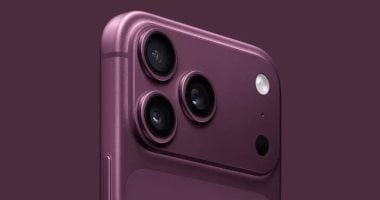
Apple’s iPhone 20: A Radical Redesign for the 20th Anniversary
San Francisco — Apple is reportedly planning its most ambitious iPhone redesign in a decade, with the iPhone 20—expected to launch in 2027—set to mark the 20th anniversary of the iconic smartphone. According to multiple leaks and industry analysts, the tech giant is working on a fully glass, buttonless design with a quad-curved OLED display, a departure from the flat-edge aesthetic that has defined iPhones since the iPhone 12 in 2020. The project, codenamed “Project Glass,” is said to be overseen by Apple’s incoming CEO, John Ternus, who will take the helm in September 2026.
The iPhone 20’s rumored redesign is drawing comparisons to the iPhone X, which introduced Face ID and an edge-to-edge display in 2017 to celebrate the iPhone’s 10th anniversary. Like its predecessor, the iPhone 20 is expected to be a landmark release, potentially redefining the smartphone’s form factor for years to come. However, unlike the incremental updates seen in recent iPhone generations, this model is rumored to introduce fundamental changes to the device’s hardware and display technology.
At the heart of the redesign is a collaboration with Samsung Display to develop a micro-curved OLED panel that wraps seamlessly around the device’s edges. Unlike the deep curves seen in some Samsung Galaxy models, Apple’s approach is said to focus on subtle, uniform bends on all four sides of the display, creating a smoother, more immersive viewing experience while maintaining the flatness of the screen itself. The goal, according to leaks, is to eliminate bezels entirely, giving the iPhone 20 a truly edge-to-edge look without the notches or cutouts that have defined previous models.
The Display: A Technological Leap
The iPhone 20’s display is expected to be one of its most significant innovations. Reports from Bloomberg and The Verge suggest that Apple is working with Samsung to create a custom OLED panel that eliminates the traditional polarizer layer found in most smartphone displays. Instead, Samsung’s Color Filter on Encapsulation (CoE) technology will be used to apply color filters directly to the encapsulation layer, reducing the display’s overall thickness while improving brightness and energy efficiency.
To address potential issues with reflections—a common drawback of removing the polarizer—Apple is reportedly developing an anti-reflective coating combined with a light-diffusing layer. This innovation aims to ensure even illumination across the screen, reducing glare and improving visibility in bright conditions. The result, according to industry insiders, could be a display that is brighter, thinner, and more power-efficient than anything currently on the market.

Another key feature of the iPhone 20’s display is its quad-curved design. While curved screens are not new—Samsung has used them for years—Apple’s implementation is expected to be far more subtle. The curves are described as “micro” or “gentle,” designed to enhance the phone’s ergonomics without distorting the content on the screen. This approach contrasts with Samsung’s more aggressive curves, which can sometimes cause visual distortion at the edges. Apple’s goal, according to leaks, is to create a display that feels natural to hold and use, with no sharp edges or uncomfortable grip.
A Buttonless, All-Glass Design
Beyond the display, the iPhone 20 is rumored to feature a fully glass body with no physical buttons. This would mark a significant departure from the current iPhone design, which includes a side button, volume controls, and—on some models—a mute switch. Instead, Apple is reportedly exploring haptic feedback and pressure-sensitive zones to replicate the tactile feel of physical buttons, similar to the technology used in the iPad Pro’s virtual keyboard.
The absence of buttons would allow Apple to create a seamless, uninterrupted glass surface, further enhancing the iPhone 20’s premium aesthetic. However, this design choice likewise presents challenges, particularly in terms of durability. Glass is inherently fragile, and removing physical buttons could craft the device more susceptible to damage. To mitigate this, Apple is said to be testing new glass composites and reinforced materials to improve the phone’s resilience without compromising its sleek appearance.
Another rumored feature is the elimination of the Dynamic Island, the pill-shaped cutout introduced with the iPhone 14 Pro that houses the front-facing camera and Face ID sensors. Reports are mixed on how Apple plans to address this: some leaks suggest the company is working on an under-display selfie camera, while others indicate that Apple may retain a small, discreet cutout or even move the sensors to the side of the device. The under-display camera technology, if implemented, would be a first for Apple and could further enhance the iPhone 20’s edge-to-edge display.
Leadership and Timeline: John Ternus Takes the Helm
The iPhone 20’s development comes at a pivotal moment for Apple. Tim Cook, who has led the company since 2011, is set to step down as CEO in September 2026, with John Ternus taking over the role. Ternus, currently Apple’s Senior Vice President of Hardware Engineering, has been instrumental in the development of recent iPhone models, as well as the iPhone Fold, which is expected to launch later this year.
The iPhone 20 will be Ternus’ second major iPhone announcement as CEO, following the iPhone 18 series, which is expected to launch in September 2026. While the iPhone 18 is rumored to feature incremental updates—such as improved cameras and a faster chip—the iPhone 20 is shaping up to be a far more ambitious project. Analysts suggest that Apple may position the iPhone 20 as a limited-edition or flagship model, similar to the iPhone X, which was priced at $999 at launch.
The iPhone 20’s release date is still unconfirmed, but leaks suggest it could debut in September 2027, aligning with Apple’s traditional fall launch window. However, some industry insiders speculate that Apple may opt for an earlier release to coincide with the 20th anniversary of the original iPhone, which was unveiled in January 2007. If Apple follows this timeline, the iPhone 20 could be announced as early as January 2027, though this remains unconfirmed.
Why the iPhone 20 Could Overshadow the iPhone 18
The iPhone 18, expected to launch in September 2026, is likely to focus on refinements rather than revolution. Leaks suggest it will feature a faster A18 chip, improved battery life, and incremental camera upgrades, but no major design changes. In contrast, the iPhone 20 is poised to be a generational leap, with a redesign that could influence smartphone design for years to come.
One of the key reasons the iPhone 20 is generating so much buzz is its potential to redefine the smartphone experience. The combination of a fully glass body, buttonless design, and quad-curved display could make the iPhone 20 feel like a device from the future. The removal of physical buttons and the Dynamic Island could pave the way for new interaction methods, such as gesture-based controls or advanced haptic feedback.

Another factor is Apple’s history of using anniversary models to introduce groundbreaking technology. The iPhone X, released for the 10th anniversary, introduced Face ID, an edge-to-edge display, and a new design language that has persisted to this day. Similarly, the iPhone 20 could introduce innovations that become standard in future iPhone models, such as under-display cameras or advanced OLED technologies.
However, the iPhone 20’s success will depend on Apple’s ability to overcome several challenges. The durability of a buttonless, all-glass design remains a concern, as does the feasibility of under-display camera technology. The iPhone 20’s rumored price tag—potentially exceeding $1,500—could limit its appeal to all but the most dedicated Apple fans.
What’s Next for Apple and the iPhone 20
As Apple prepares for the iPhone 20’s launch, the company is expected to ramp up production of its custom OLED displays with Samsung. Reports suggest that Apple has already placed orders for millions of units, indicating confidence in the new design. However, the final specifications of the iPhone 20 remain fluid, and Apple could still make changes based on testing, and feedback.
For consumers, the iPhone 20 represents an exciting glimpse into the future of smartphones. While the iPhone 18 is likely to be a solid upgrade for most users, the iPhone 20 could be a game-changer, offering a level of innovation not seen since the iPhone X. Whether Apple can deliver on these ambitious plans remains to be seen, but one thing is clear: the iPhone 20 is shaping up to be one of the most anticipated smartphone launches in years.
The next major milestone for the iPhone 20 will likely come in early 2027, when Apple is expected to start finalizing the device’s design and specifications. Until then, leaks and rumors will continue to dominate the conversation, offering tantalizing hints about what Apple has in store for the iPhone’s 20th anniversary.
What do you think of the iPhone 20’s rumored redesign? Would you be willing to pay a premium for a buttonless, all-glass iPhone? Share your thoughts in the comments below and join the conversation on social media using the hashtag #iPhone20.