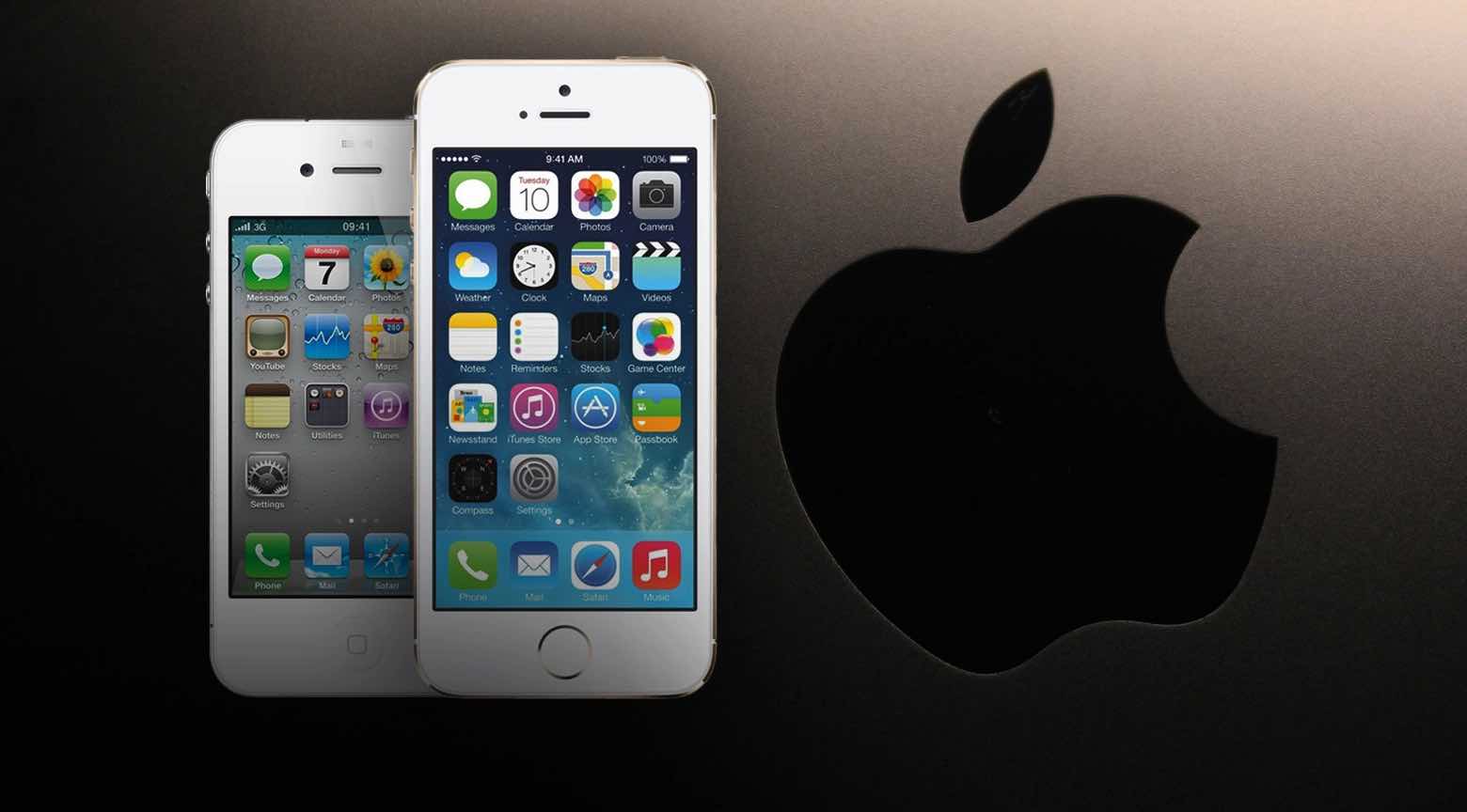
Apple Ends Support for iPhone 4 and 5, Marking the End of an Era
For those still clinging to older Apple technology, a significant change has taken effect. Apple has officially designated the iPhone 4 and iPhone 5 as “obsolete,” effectively ending all official repair services and parts availability for these once-revolutionary devices. This decision, part of the company’s standard product lifecycle management, signals the end of the road for these iconic smartphones, leaving users with limited options for maintaining or repairing them. The move impacts a wide range of users who still rely on these devices, highlighting the rapid pace of technological advancement and the challenges of long-term device support.
The obsolescence of the iPhone 4 and 5 isn’t a sudden event, but rather the culmination of a process that begins when Apple stops selling a device. Typically, a device is moved to “vintage” status five to seven years after it’s discontinued, meaning parts availability becomes limited. After seven years, it’s officially declared “obsolete,” and Apple ceases all hardware repairs and parts provisioning. According to Apple’s support documentation, the iPhone 4 crossed this line years ago, although the iPhone 5 reached the milestone in March 2026. Gadget Review reports this decision impacts users worldwide.
What Does ‘Obsolete’ Imply for iPhone Users?
Apple categorizes its products with a clear lifecycle policy. Once a device is discontinued and falls outside the five-to-seven-year window, it’s considered vintage. During this period, repairs may still be possible if parts are available. Yet, once a device reaches obsolete status, the situation changes dramatically. As detailed by PCMag, this means Apple and its authorized service providers will no longer order replacement parts or provide hardware service for these models. This effectively limits repair options to third-party services, which may not have access to genuine Apple parts.
Specifically, the consequences of an iPhone 4 or 5 being labeled obsolete include:
- No official Apple repairs are available.
- Genuine Apple replacement parts are no longer available.
- Authorized Apple support is suspended.
In practice, if these devices fail, users will face significant challenges in finding reliable and affordable repairs. This ultimately shortens the lifespan of the devices and encourages upgrades to newer models. This policy has already affected the original iPhone SE, launched in 2016, demonstrating Apple’s consistent approach to managing its product lifecycle.
A Legacy of Innovation: The Impact of the iPhone 4 and 5
The iPhone 4, released in 2011, represented a pivotal moment in smartphone design. It introduced a striking glass and stainless steel construction, a significant departure from previous models, and the now-iconic Retina display, which set a new standard for screen clarity. The Retina display, with its high pixel density, revolutionized the mobile viewing experience.
The iPhone 5, launched in 2012, continued this trend of innovation. It incorporated the Lightning connector, replacing the older 30-pin connector, and featured a thinner, lighter design with a larger screen. The iPhone 5 was similarly the first iPhone to feature Apple’s A6 chip, delivering improved performance, and efficiency. TechStory notes the iPhone 5 was the world’s best-selling smartphone for a period after its launch.
Today, both the iPhone 4 and 5 stand as testaments to Apple’s design and engineering prowess. While they may still function for some users, their lack of official support places them at a disadvantage in the face of evolving security demands, app compatibility, and connectivity standards. The decision to declare these devices obsolete underscores the cyclical nature of technology, where even groundbreaking innovations eventually grant way to newer, more advanced alternatives.
What are the Alternatives for iPhone 4 and 5 Owners?
While Apple no longer provides support, owners of these devices aren’t entirely without options. Third-party repair shops may still be able to offer services, but it’s crucial to be aware of the potential drawbacks. These shops may not have access to genuine Apple parts, and the quality of repairs can vary significantly. Users should carefully research and choose reputable repair providers to minimize the risk of further damage or compromised functionality.
Another option is to explore the possibility of selling or trading in the devices, even if they are no longer fully functional. While the resale value will be limited, it can provide some financial return and prevent the devices from becoming electronic waste. Responsible e-waste disposal is crucial for environmental sustainability, and Apple offers trade-in programs and recycling options for older devices.
the obsolescence of the iPhone 4 and 5 serves as a reminder of the importance of staying informed about device lifecycles and planning for upgrades. While these devices were once at the forefront of mobile technology, their time has arrive to an end. As Apple continues to innovate and release new products, older models will inevitably be phased out, highlighting the ever-evolving nature of the tech landscape.
Apple’s ongoing commitment to innovation means that older devices will continue to be retired as newer models emerge. Users should regularly check Apple’s support website for the latest information on product obsolescence and available support options. The company’s support page detailing product obsolescence can be found here.
Looking ahead, Apple is expected to continue refining its product lifecycle management practices, balancing the need for innovation with the responsibility of providing long-term support for its customers. The company’s next product announcements are anticipated in the coming months, and industry analysts are closely watching for any further changes to its support policies.
What are your thoughts on Apple’s decision to discontinue support for these older iPhones? Share your experiences and opinions in the comments below. And be sure to share this article with anyone you know who might still be using an iPhone 4 or 5.
Related reading