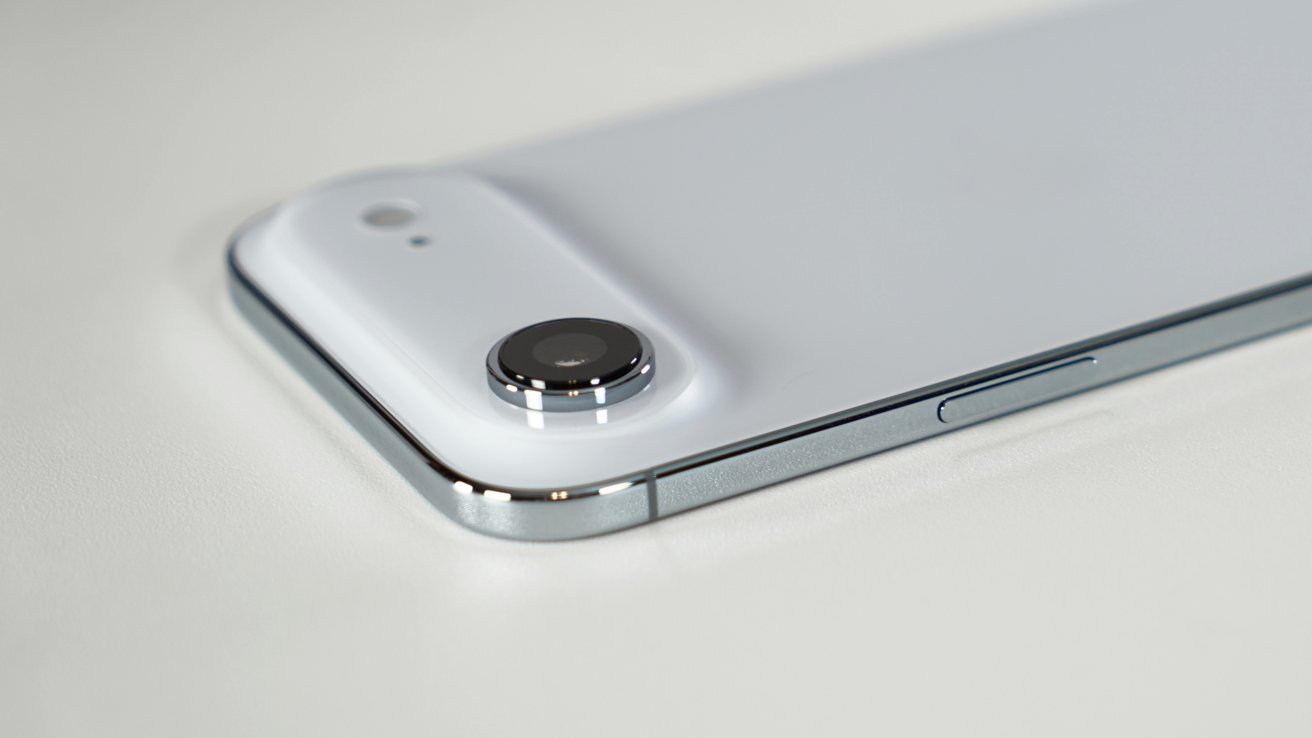
The iPhone Air Finally Lands in China: A Deep Dive into eSIM Regulations and Market Entry
the highly anticipated iPhone Air, Apple‘s thinnest iPhone to date, is poised to finally launch in China after a delay exceeding a month. This rollout, initially planned alongside global preorders on September 12th, was stalled due to regulatory hurdles surrounding eSIM technology. This situation highlights the complexities of navigating the Chinese market and the increasing importance of understanding local regulations for tech companies. But what exactly caused the delay, and what does this mean for Apple’s future in one of its most crucial markets? This article provides an in-depth analysis of the situation, exploring the intricacies of eSIM regulations in China, the impact on Apple, and what consumers can expect.
Understanding the eSIM Obstacle in China
Did You Know? China is the world’s largest smartphone market, accounting for roughly 30% of global shipments as of Q3 2024 (Counterpoint Research). Access to this market is vital for Apple’s continued growth.
eSIM (embedded SIM) technology allows users to activate a mobile plan without physically inserting a SIM card. This offers convenience, especially for travelers, and enables features like dual-SIM functionality.However, China has historically maintained strict control over its telecommunications infrastructure, requiring physical SIM cards for all mobile subscriptions. This control stems from concerns about security, traceability, and government oversight.
the Chinese government’s reluctance to fully embrace eSIM technology isn’t new. For years, regulations favored physical SIM cards, making it difficult for companies like apple to implement eSIM functionality without significant restrictions. The delay of the iPhone Air’s launch wasn’t about the technology itself, but rather about securing the necessary approvals to operate eSIM services within the country’s regulatory framework. Specifically, Apple needed to demonstrate compliance with regulations regarding user registration and data security related to eSIM activation.
pro Tip: When a new technology faces regulatory hurdles in a major market like China, it often signals a broader shift in policy. Keep a close watch on related announcements from government agencies and industry associations.
The Regulatory Landscape & Apple’s Response
The core issue revolved around the verification process for eSIM activation. Chinese regulations require robust identity verification to prevent fraud and maintain control over mobile subscriptions. Apple had to work with Chinese authorities to implement a system that met these requirements while still providing a seamless user experience.This involved adapting its eSIM activation process to integrate with China’s existing identity verification infrastructure.
According to sources familiar with the negotiations (Reuters, October 10, 2024), Apple proposed a solution that allows users to verify their identity through their national ID card and mobile phone number during the eSIM activation process. This solution reportedly satisfied the regulatory concerns, paving the way for the iPhone Air’s launch.
This situation isn’t unique to Apple.Other smartphone manufacturers offering eSIM functionality in China have faced similar challenges. The key is demonstrating a commitment to compliance and working collaboratively with regulators.
Impact on Apple and the Chinese Market
The delay, while frustrating for consumers, wasn’t expected to substantially impact Apple’s overall financial performance. However, it did create a temporary setback in a strategically vital market. The Chinese smartphone market is fiercely competitive, with domestic brands like Huawei, Xiaomi, and Oppo posing significant challenges to Apple’s market share.
Question to Consider: How might this delay influence consumer perception of Apple in China? could it drive some customers towards domestic brands offering similar features without regulatory delays?
The iPhone Air, positioned as a more affordable and accessible option, was intended to appeal to a broader segment of the Chinese market.The delay allowed competitors to capitalize on the opportunity, possibly gaining ground in the crucial mid-range segment.
However,Apple’s strong brand loyalty in China and the iPhone Air’s unique features – particularly its slim design and advanced camera capabilities – are expected to mitigate any long-term damage. Pre-order numbers in China, once available, will be a key indicator of the impact of the delay.
iPhone Air: Key Features and Specifications
The iPhone Air represents a significant addition to Apple’s iPhone lineup. Here’s a swift overview of its key features:
* Design: The thinnest iPhone ever, featuring a sleek and lightweight design.
* Display:
![Who Will Win? Predictions & Odds for [Event Name] 2024](https://i0.wp.com/www.vibe.com/wp-content/uploads/2025/10/GettyImages-2223882800.jpg?resize=150%2C150&ssl=1 "Who Will Win? Predictions & Odds for [Event Name] 2024")