
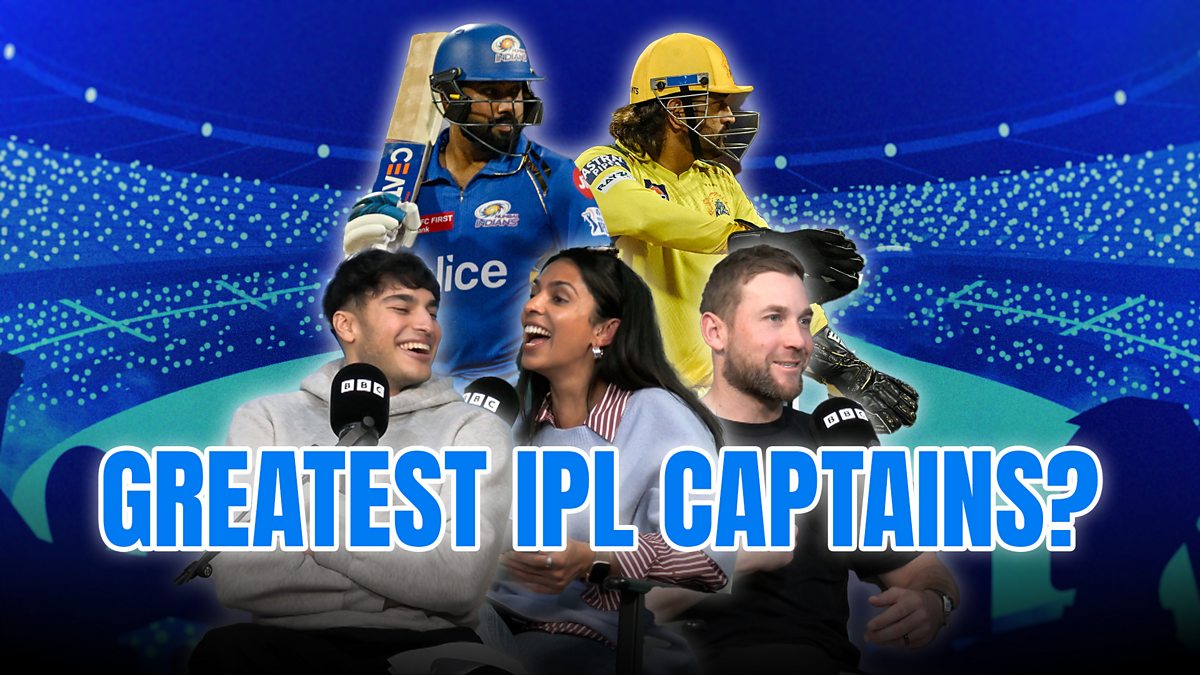
The opening week of the 2026 Indian Premier League has reignited one of the most enduring debates in T20 cricket: who is the greatest IPL captain? As the tournament progresses through its 19th edition, the strategic nuances of leadership are once again under the microscope. With the league currently underway, the pressure of the group stages is highlighting the difference between tactical stability and the bold gambles that define championship-winning captains.
This year’s competition, branded as TATA IPL 2026, features 10 teams competing in a total of 74 matches across 13 different venues according to official tournament records. The stakes are particularly high for those attempting to dethrone the current champions, Royal Challengers Bengaluru, who secured their first-ever title in the previous season by defeating the Punjab Kings in the final.
For a sports editor based in Lisbon, watching the IPL from a global perspective reveals how the role of the captain has evolved. It is no longer just about setting a field or choosing the bowling rotation; it is about managing a high-pressure environment where a single “Strategic Timeout” can alter the trajectory of a match. The debate over the greatest captain often pits the legacy of multiple titles against the ability to innovate under extreme pressure.
As we analyze the early trends of the 2026 season, which began on 28 March and is scheduled to run until 31 May, the conversation naturally shifts toward the leadership styles that have historically dominated the league. From the clinical precision of the early dynasties to the modern, data-driven approach of today’s captains, the “greatest” title remains elusive and highly contested.
The Blueprint of Success: Defending Champions and Legacy
The current landscape of the league is dominated by the success of Royal Challengers Bengaluru. Their victory in the previous season provided a masterclass in leadership, proving that persistence and tactical adaptability can eventually lead to a maiden title. This victory has shifted the narrative around their captaincy, placing them in the conversation of elite leaders who can break long-standing droughts through strategic resilience.
When discussing the greatest IPL captain, the criteria often revolve around the number of trophies and the consistency of the team’s performance. The league’s structure, which has seen the group format reversed to be similar to the 2023 IPL—where teams play once against their own group and twice against the opposing group—tests a captain’s ability to manage fatigue and strategic pivots over a grueling schedule as detailed in the current tournament format.
The ability to navigate these 74 matches requires more than just cricketing skill; it requires an understanding of psychological momentum. The greatest captains are those who can maintain a steady hand during the group stages while remaining aggressive enough to win the playoffs. This balance is what separates a successful seasonal captain from a legendary one.
Strategic Timeouts and Tactical Evolution
The “Strategic Timeout” is more than just a break in play; it is a critical window for captains to recalibrate. In the modern era of the IPL, these intervals are used to analyze real-time data, adjust bowling lengths, and manage the mental state of the players. The greatest captains use these moments to disrupt the opponent’s rhythm or to solidify their own momentum.

The evolution of captaincy in the IPL can be seen in the shift toward specialized roles. Captains now work closer than ever with analysts to determine “match-ups”—the art of pairing a specific bowler against a specific batsman based on historical data. This analytical approach has replaced the more intuitive “gut-feeling” leadership of the league’s early years.
For instance, the management of the 10 participating teams in 2026 reflects a high level of professionalization. Whether it is the Chennai Super Kings, Mumbai Indians, or the Gujarat Titans, the leadership is now expected to be as proficient in data interpretation as they are in on-field tactics. The “greatest” captain is now often defined by how well they integrate this data into their instinctive decision-making.
Comparing the Leadership Styles of the 2026 Contenders
As the tournament moves through April 2026, we can see distinct leadership archetypes emerging among the 10 teams. Some captains favor a conservative approach, focusing on minimizing errors and relying on a strong core of experienced players. Others are more disruptive, frequently changing their bowling attack and taking risks with batting orders to keep the opposition off-balance.
The teams are currently divided into two primary groups: Group A, featuring teams like the Chennai Super Kings, Kolkata Knight Riders, Rajasthan Royals, Royal Challengers Bengaluru, and Punjab Kings; and Group B, which includes the Mumbai Indians, Sunrisers Hyderabad, Gujarat Titans, Delhi Capitals, and Lucknow Super Giants per the 2026 seedings.
The interaction between these groups creates a unique challenge for captains. Because they face teams from the opposite group more frequently, the ability to scout and adapt to different styles of play is paramount. The greatest captains are those who can maintain a consistent team identity while remaining flexible enough to counter the diverse strategies employed by nine other franchises.
The Impact of the 2026 Schedule on Leadership
The 2026 schedule, spanning from 28 March to 31 May, places an immense physical and mental toll on the leadership. With matches spread across 13 venues, captains must manage the logistical challenges of travel and the environmental variables of different pitches. A captain’s ability to “read” a pitch during the toss is a fundamental skill that continues to separate the great from the great.
the pressure of the “opening week” often sets the tone for the entire season. Early wins build confidence, but early losses can lead to panic and premature changes in leadership or strategy. The hallmark of a great captain is the ability to keep the squad composed during a losing streak, ensuring that the long-term goal of the playoffs remains the focus.
In the context of the current season, the defending champions, Royal Challengers Bengaluru, carry the added burden of expectation. Leading a team that is now accustomed to winning requires a different psychological approach than leading an underdog. The ability to manage the “weight of the crown” is a critical component in determining who earns the title of the greatest captain in the league’s history.
Key Leadership Factors in the IPL
- Adaptability: The capacity to change tactics mid-game during a Strategic Timeout.
- Player Management: Balancing the egos and form of international stars and emerging domestic talent.
- Risk Assessment: Knowing when to stick to the plan and when to take a gamble on a bowler or a batting promotion.
- Consistency: Maintaining a high standard of performance across the group stages and the playoffs.
- Mental Fortitude: Staying calm under the scrutiny of millions of global viewers and intense media pressure.
Conclusion: The Ongoing Quest for Greatness
the question of who is the greatest IPL captain cannot be answered with a single name. It is a debate that evolves with every season, every match, and every strategic decision. While some point to the number of trophies, others value the impact a captain has on the growth of the game and the development of young players.
As we look forward, the next major checkpoint for the 2026 season will be the transition from the group stages to the playoffs, where the true test of leadership occurs. The teams that survive this gauntlet will be those led by captains who can synthesize data, manage emotion, and execute a winning strategy under the highest possible stakes.
The 2026 Indian Premier League continues to be a laboratory for leadership. Whether it is the defending champions trying to maintain their grip on the trophy or a novel leader emerging from the pack, the quest for captaincy greatness remains the most compelling narrative of the tournament.
What do you think? Is the greatest captain defined by titles, or by the tactical innovation they bring to the game? Share your thoughts in the comments below and join the conversation on social media.